Tooth Extraction Recovery Why Are My Gums Swollen
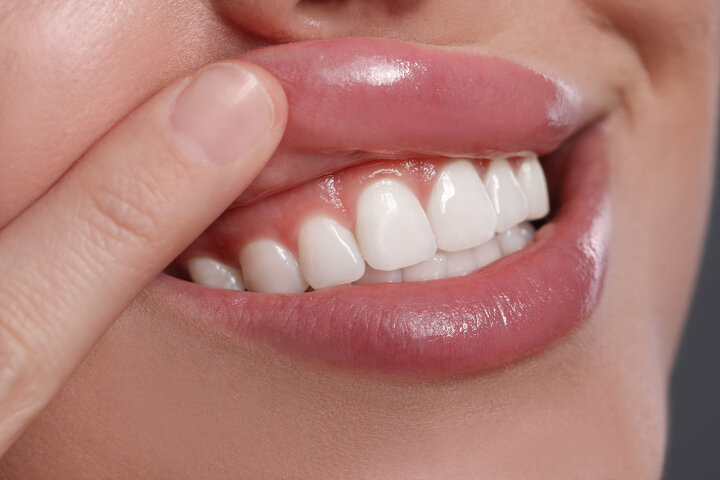
Getting a tooth removed is never a fun experience. Once the procedure is done, most people expect some discomfort, but swelling can feel a bit scary. Many people start wondering if something is wrong or if the healing is not going as planned.
The truth is, swollen gums after tooth extraction are very common. It is part of how the body heals itself. In places like Houston, TX, where people stay active and busy, quick recovery is important, so understanding what is normal can really help reduce stress.
In this guide, we will explain why swelling happens, how long it lasts, and what you can do to feel better faster.
What Happens After a Tooth Extraction
Normal Healing Process
After a tooth is removed, your body immediately starts working to heal the area. A blood clot forms in the empty socket. This clot protects the bone and nerves underneath and helps new tissue grow.
This is the first step of recovery. Without this clot, healing can slow down or cause more pain.
Why Gums React After Extraction
Your gums go through a small injury during extraction. Because of this, your body sends more blood to the area to repair it. This process causes inflammation, which leads to swollen gums after extraction.
So, swelling is not a bad sign. It actually shows that your body is doing its job.
Why Are My Gums Swollen After Tooth Extraction
Swelling Is a Normal Sign
Many people ask, is gum swelling normal after tooth extraction. The simple answer is yes. Mild to moderate swelling is expected, especially in the first few days.
The swelling usually starts within a few hours and can increase slightly before it gets better.
Common Causes of Swelling
There are a few reasons why your gums may swell:
- Pressure during the procedure
- Tissue handling by dental tools
- Natural healing response of the body
Even a smooth extraction can lead to some swelling. In Houston, TX, dentists often remind patients that this is completely normal and temporary.
How Long Does Swelling Last
Timeline of Swelling
Swelling follows a simple pattern in most cases:
- It starts within the first day
- It may increase during the second or third day
- It slowly begins to go down after that
This is the usual cycle for swollen gums after tooth extraction.
When Swelling Should Improve
By the fourth or fifth day, you should notice improvement. The area should feel less tight and more comfortable.
If the swelling continues to grow instead of getting better, it may need attention.
When Swelling Might Be a Problem
Signs of Infection
Sometimes swelling is not just part of healing. It could be a sign of infection. Watch out for:
- Severe or increasing pain
- Bad taste or smell
- Pus near the extraction site
- Fever
If you notice these signs, it is best to visit a dental professional, such as a family orthodontist Houston TX, for proper care.
Dry Socket Warning Signs
Dry socket is another condition that can happen after extraction. It occurs when the blood clot is lost too early.
Signs include:
- Sharp pain after a few days
- Visible empty socket
- Pain spreading to the ear or jaw
This condition needs immediate attention.
How to Reduce Swelling After Tooth Extraction
Home Care Tips
There are simple ways to reduce swelling and feel more comfortable:
- Use a cold compress on the cheek for short periods
- Keep your head slightly elevated while resting
- Drink plenty of water
These steps can help control swollen gums after extraction and make recovery smoother.
What to Avoid
Certain habits can slow healing or increase swelling:
- Smoking or using straws
- Touching the area with fingers or tongue
- Eating very hot or spicy foods
Avoiding these can protect the healing site and reduce discomfort.
Best Foods During Recovery
Soft Food Options
After extraction, your gums are sensitive. Soft foods are the best choice:
- Yogurt
- Mashed potatoes
- Smooth soups
- Scrambled eggs
These foods are easy to eat and do not disturb the healing area.
Foods to Stay Away From
Some foods can irritate your gums:
- Crunchy snacks
- Sticky foods
- Spicy meals
- Hard items like nuts
Staying away from these helps reduce the risk of further irritation.
Tips for Faster Healing
Keep the Area Clean
Oral hygiene is still important, but you need to be gentle. Rinse your mouth lightly with salt water after a day or two.
This helps keep bacteria away without disturbing the clot.
Follow Aftercare Instructions
Your dentist will give you specific instructions. Follow them carefully. This includes taking medication on time and avoiding activities that may harm the area.
Many patients in Houston, TX recover quickly when they stick to proper aftercare routines.
Conclusion
Swelling after tooth extraction can feel uncomfortable, but in most cases, it is a normal part of healing. Understanding that is gum swelling normal after tooth extraction helps you stay calm and focused on recovery.
By following simple care tips and avoiding harmful habits, you can reduce swelling and heal faster. If something feels unusual, do not hesitate to consult a dental expert or a family orthodontist Houston TX for guidance.
Taking care of your gums now will help you avoid problems later and get back to your normal routine sooner.
FAQs
Is gum swelling normal after tooth extraction recovery
Yes, mild swelling is normal after extraction. It usually peaks within a couple of days and then slowly improves as the healing process continues.
How can I reduce swollen gums after extraction quickly
Use a cold compress, rest properly, and avoid hard foods. These simple steps can help reduce swelling and support faster healing.
When should I see a dentist for gum swelling
If swelling gets worse after a few days or comes with pain, fever, or pus, it is best to visit a dental professional for proper evaluation.