From Thinning Hair to Bald Patches: Is There a Permanent Fix?
Posted by Ella James
Filed in Health 0.9K views
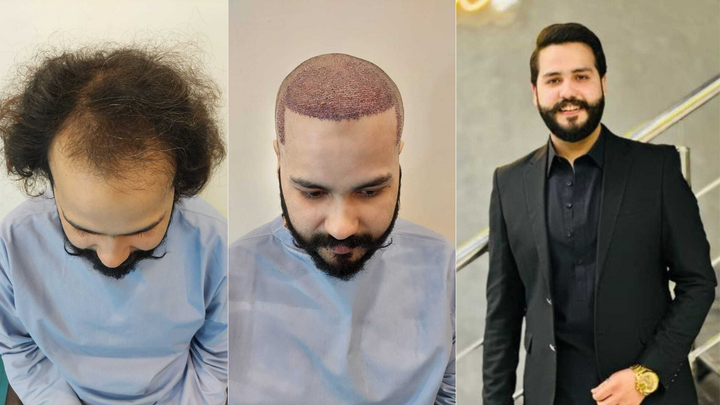
In 2023, Ahmed, a 31-year-old graphic designer from Lahore, shared his hair loss journey online. He first noticed thinning in his mid-twenties but ignored it until it became visible in photos and mirrors. Friends started asking if he was under stress, and family members suggested home remedies. At first, Ahmed tried oils, herbal shampoos, and supplements. He spent months watching online videos and reading medical blogs. After hours of research and confusion, he finally consulted a specialist.
Later, Ahmed underwent a hair transplant procedure in Pakistan. Over the next eight months, he documented his recovery and slowly saw natural hair growth return. His journey from doubt to confidence reflects what many Pakistanis experience. Hair loss affects more than appearance. It impacts self-esteem, social life, and daily confidence.
His story raises an important question: Is there a permanent fix for hair loss?
To answer this honestly, it is important to understand how hair grows and why it stops.
How Hair Growth Works and Why It Fails
Every hair on your head grows from a tiny structure called a follicle. Each follicle follows a natural life cycle that includes growth, rest, and shedding. Under healthy conditions, this cycle continues for many years, allowing hair to renew itself.
Problems begin when this cycle becomes disturbed. According to the American Academy of Dermatology, the most common cause of long-term hair loss is androgenetic alopecia, also known as pattern baldness. This condition makes hair follicles sensitive to a hormone called DHT. Over time, DHT causes follicles to shrink. As a result, hair becomes thinner, weaker, and shorter until it stops growing completely.
In the early stages, this appears as gradual thinning. Later, it turns into visible bald patches.
Other conditions such as autoimmune diseases, scalp infections, severe inflammation, and scarring disorders can also destroy follicles. Once a follicle is damaged permanently, it cannot regenerate naturally. This is why understanding the type of hair loss is critical before choosing any treatment.
Why Hair Loss Is Increasing Among Pakistanis
Hair loss is becoming more common in Pakistan, especially among young adults.
Doctors in major hospitals report a rise in patients aged between 20 and 35 who complain about thinning hair. Several factors are responsible for this trend.
Modern work culture brings long sitting hours, mental pressure, irregular meals, and lack of exercise. Many people sleep less than six hours a night. This disrupts hormone balance and weakens hair roots.
Medical studies from the National Institutes of Health show that vitamin D and iron deficiencies are widespread in South Asia. These nutrients are essential for healthy hair growth. Without them, follicles become weak and inactive.
Pollution, hard water, smoking, and excessive use of styling products further damage the scalp.
The International Society of Hair Restoration Surgery has also reported a steady global increase in hair restoration procedures, showing that hair loss is becoming a major concern worldwide.
Can Early Hair Loss Be Reversed?
In the early stages, hair loss can often be controlled and sometimes reversed.
When thinning is caused by stress, illness, weight loss, or nutritional deficiency, hair usually grows back once the main problem is corrected. This type of hair loss is known as telogen effluvium and is usually temporary. Proper diet, medical treatment, and stress management can restore growth within three to six months.
However, genetic hair loss behaves differently. It slowly damages follicles over time. Even though early treatment can slow down this process, it cannot cure it completely. If ignored for years, genetic hair loss often becomes permanent.
This is why early medical consultation is so important.
Role of Medicines in Controlling Hair Loss
Dermatologists commonly prescribe two main medicines for pattern hair loss.
Minoxidil is applied directly to the scalp. It increases blood flow and supplies more oxygen and nutrients to hair roots. According to Mayo Clinic, regular use can improve thickness and reduce shedding within four to six months.
Finasteride is an oral medicine for men. It reduces DHT levels in the body and slows follicle damage. Clinical research shows that it helps preserve existing hair and delay further thinning.
These medicines work best in early stages. They help maintain hair, but they do not restore fully bald areas. Once treatment stops, hair loss often resumes. This means medicines are management tools, not permanent solutions.
Understanding PRP and Support Therapies
PRP therapy uses platelets taken from the patient’s own blood to stimulate hair follicles. These platelets contain growth factors that support tissue repair and cell growth.
Several studies published in dermatology journals show improvement in hair thickness after PRP sessions. However, results vary depending on age, health, and follicle condition. PRP works best when follicles are still alive. It cannot revive dead follicles.
You can learn more about how PRP treatment helps slow down early hair loss and improve hair growth through detailed guides on PRP hair treatment in Lahore.
Other support therapies such as microneedling and low-level laser treatment may also improve scalp circulation and absorption of medicines. However, they work only as supporting methods, not as replacements for medical or surgical treatment.
When Hair Loss Becomes Permanent
Hair loss becomes permanent when follicles are destroyed or severely miniaturized.
Advanced genetic baldness, scarring alopecia, and long-term traction alopecia fall into this category. In these cases, medicines and PRP cannot restore growth.
Scientific research confirms that once follicles remain inactive for several years, they lose their ability to regenerate. At this stage, surgical restoration becomes the only effective option.
Hair Transplant: The Only Proven Long-Term Solution
A hair transplant involves moving healthy follicles from donor areas, usually the back or sides of the head, to bald regions. These donor follicles are genetically resistant to DHT, which is why they usually continue growing for decades.
Modern clinics mainly use the FUE technique, which involves extracting individual follicles. This method causes minimal scarring and allows faster healing.
After surgery, patients experience temporary shedding in the first few weeks. New growth starts after three to four months. Full results appear within ten to twelve months.
For people searching for trusted Pakistan best hair transplant services, choosing an experienced and reputable clinic is essential for safe and natural outcomes.
Effectiveness and Risks of Hair Transplant
According to ISHRS data, properly performed hair transplants have a success rate above 90 percent. Most patients see long-lasting improvement when procedures are planned carefully.
However, results depend heavily on surgeon expertise and clinic standards. Online platforms such as Reddit and RealSelf contain both success stories and regretful experiences. Many satisfied patients report improved confidence after one year. Others warn about unnatural hairlines and permanent donor damage due to poor clinic selection.
This proves that technology alone is not enough. Skill, ethics, and planning matter.
Psychological Impact of Hair Loss
Hair loss affects emotional health deeply. Research published in the Journal of Dermatology shows that patients with visible hair loss often experience anxiety, low self-esteem, and social withdrawal.
In Pakistan, appearance strongly influences social and professional interactions. Many patients say hair restoration helped them regain confidence and motivation. This emotional benefit is one of the strongest reasons people seek treatment.
Ignoring this psychological impact can delay proper care and worsen stress.
Clearing Common Myths About Hair Loss
Many Pakistanis believe oils can cure baldness. In reality, oils only moisturize the scalp and reduce dryness. They cannot regrow dead follicles.
Some people think one transplant session solves everything forever. Natural hair continues to thin, so long-term maintenance is needed.
Others believe cheap clinics provide the same results as certified centers. Poor surgery can cause irreversible damage that is difficult to correct later.
Misinformation delays proper treatment and increases long-term loss.
Is There Really a Permanent Fix?
The honest answer is balanced.
Temporary hair loss is often reversible. Genetic hair loss is manageable but not curable. Bald patches depend on their cause. Transplanted hair is long-lasting when done correctly.
Permanent success depends on early action, accurate diagnosis, and expert care. There is no shortcut.
Making the Right Decision
From real online stories to thousands of Pakistani patients, one truth remains clear. Hair loss does not have one simple solution. It requires patience, knowledge, and smart choices.
Whether you are facing early thinning or visible bald patches, avoid guessing and social media advice. Seek medical guidance. Do your hours of research. Understand your options. Choose treatment based on science, not trends.
With the right approach, hair restoration is not only about appearance. It is about confidence, peace of mind, and quality of life.
And that is the real permanent benefit.