How Dental Hygienists Detect Early Gum Problems
Posted by Royal Clinic
796 views
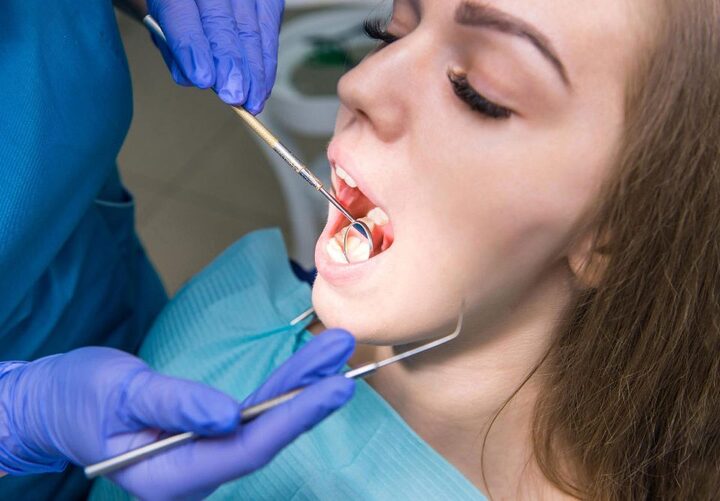
Gum health is an essential component of overall oral wellness, yet many people overlook the subtle signs of gum disease. Early detection of issues like gingivitis can prevent serious complications, including tooth loss and systemic health problems. A Dental Hygienist Dubai plays a vital role in identifying these early warning signs before they develop into more significant concerns, making routine visits invaluable for maintaining a healthy smile.
Understanding the Role of a Dental Hygienist
A dental hygienist’s primary responsibility is to maintain oral health by preventing and treating gum problems. They are highly trained to observe subtle changes in the gums, teeth, and surrounding tissues. Unlike general dental check-ups that may focus on cavities or cosmetic issues, dental hygienists concentrate on detecting early-stage gum disease, plaque buildup, and other indicators that may not yet cause pain or discomfort.
Their expertise allows them to recognize patterns that signal inflammation or infection. For example, gums that appear slightly redder than usual or exhibit minor swelling can indicate the beginning of gingivitis. A skilled hygienist also evaluates how gums respond to gentle probing, checking for areas where tissue may be receding or pockets are forming around teeth, which are early signs of periodontal disease.
Visual Examination and Assessment
Visual examination is one of the most fundamental methods a dental hygienist uses to detect gum problems. Healthy gums are typically firm, pink, and do not bleed easily. During routine cleanings, a dental hygienist carefully inspects the gums for discoloration, swelling, or any unusual texture. They also examine the alignment and spacing of teeth, as overcrowding or gaps can trap plaque and bacteria, increasing the risk of gum issues.
The hygienist may use specialized tools like mirrors and bright light to inspect areas that are difficult to see. Even subtle changes, such as slight redness near the gum line or shiny, taut surfaces, can be early indicators of gum inflammation. By identifying these signs early, patients can take preventive measures before the condition worsens.
Probing and Measuring Gum Pockets
Beyond visual inspection, dental hygienists employ gentle probing techniques to measure gum pockets. Using a periodontal probe, they assess the depth of the space between the tooth and the surrounding gum tissue. Normal, healthy gums usually have shallow pockets, while deeper pockets may indicate early stages of periodontal disease.
This measurement is crucial because gum disease can progress silently without causing immediate discomfort. Regular assessments allow the dental hygienist to track any changes over time, ensuring early intervention when necessary. This proactive approach helps prevent bone loss and severe gum recession, which are more challenging to treat.
Detecting Plaque and Tartar Buildup
Plaque is a sticky film of bacteria that forms on teeth and along the gum line. If left unchecked, it can harden into tartar, contributing to inflammation and gum disease. Dental hygienists are trained to detect even minimal plaque accumulation during cleanings. They can differentiate between soft plaque and hardened tartar, which is more difficult to remove and more likely to cause irritation to the gums.
By identifying these buildups early, hygienists provide guidance on improving oral hygiene routines. They may suggest changes in brushing technique, flossing methods, or the use of antibacterial rinses. These small adjustments can make a significant difference in preventing the progression of gum problems.
Recognizing Signs of Gum Sensitivity and Bleeding
One of the most telling signs of early gum issues is bleeding during brushing or flossing. A dental hygienist pays close attention to patient feedback and observes any sensitivity or bleeding during routine assessments. Even minor bleeding should not be ignored, as it often signals inflammation in the gum tissue.
Sensitivity is another early warning sign. Patients may not associate slight discomfort with potential gum disease, but dental hygienists are trained to interpret these subtle symptoms. By addressing these signs early, patients can avoid more invasive treatments in the future.
Monitoring Gum Color and Texture Changes
Gums are dynamic tissues that reflect overall oral health. Changes in color, texture, or firmness often provide crucial clues about underlying problems. Dental hygienists routinely monitor these characteristics during cleanings. Healthy gums are firm, smooth, and coral-pink, whereas inflamed gums may appear red, swollen, or spongy.
Even minor deviations from normal appearance can indicate bacterial activity beneath the surface. Hygienists also consider individual factors, such as age, lifestyle, and oral hygiene habits, to determine whether these changes are a cause for concern or simply a variation of normal gum health.
The Importance of Patient Education
Early detection is only part of the dental hygienist’s role; patient education is equally important. Hygienists provide guidance on daily oral care, teaching patients proper brushing and flossing techniques to maintain gum health. They may also discuss dietary habits, lifestyle choices, and other factors that contribute to gum disease.
By empowering patients with knowledge, dental hygienists help them take proactive steps to protect their gums. Regular communication ensures that individuals are aware of changes in their oral health and understand the significance of prompt attention to early warning signs.
Benefits of Routine Visits to a Dental Hygienist
Scheduling regular appointments with a dental hygienist offers multiple benefits beyond clean teeth. Frequent assessments allow for the monitoring of gum health over time, early identification of potential issues, and personalized advice to prevent disease progression.
Patients often leave with a better understanding of their oral hygiene needs, including techniques to reduce plaque buildup and maintain healthy gums. This proactive approach not only preserves the aesthetic appearance of teeth but also supports overall oral and systemic health, as gum disease has been linked to conditions like diabetes and heart disease.
Advancements in Detection Techniques
Modern Dental Hygienist in Dubai practice incorporate advanced tools and techniques to enhance the detection of early gum problems. In addition to visual assessments and probing, hygienists may use imaging technologies or diagnostic aids to identify areas of concern that are not visible to the naked eye.
These innovations complement traditional methods, allowing for more precise monitoring and effective early intervention. The integration of technology ensures that patients receive the highest standard of preventive care and can address issues before they become more severe.
Encouraging Preventive Care
Ultimately, the role of a dental hygienist extends beyond treatment to prevention. By detecting early gum problems, educating patients, and providing professional cleanings, they help individuals maintain optimal oral health. Preventive care reduces the likelihood of costly and invasive procedures later on and supports long-term well-being.