Laser Hair Removal and Infertility: Fact or Fiction
Posted by Royal Clinic
Filed in Health 591 views
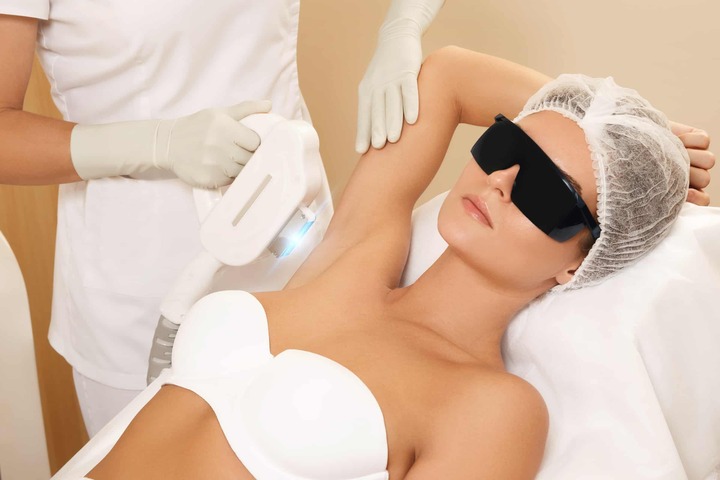
In recent years, the popularity of Laser Hair Removal Dubai has skyrocketed as more people seek a long-lasting solution to unwanted hair. With its promise of smooth, hair-free skin, it’s easy to see why it has become a go-to option for many. However, alongside its growing popularity, concerns about potential health risks have surfaced, particularly questions surrounding its impact on fertility. Are these concerns rooted in fact, or are they simply myths fueled by misinformation? Understanding the science behind laser hair removal and its effects on the body can help clear the air.
How Laser Hair Removal Works
Laser hair removal is a cosmetic procedure designed to target and destroy hair follicles using concentrated beams of light. The pigment in the hair absorbs this light, which then converts to heat, effectively disabling the follicle and preventing future hair growth. Because the treatment focuses specifically on hair follicles beneath the skin’s surface, the surrounding tissues, including reproductive organs, remain largely unaffected. This precise targeting is a key reason experts often consider laser hair removal safe for areas like the legs, arms, back, and even sensitive zones.
Safety Measures That Ensure Minimal Risk
While laser hair removal is generally safe, certain precautions enhance both safety and effectiveness. Professional guidance, adherence to recommended treatment intervals, and the use of protective eyewear are standard measures that minimize risks of skin damage or irritation. Importantly, because laser energy is concentrated on superficial skin layers, there is virtually no transmission of this energy to internal organs, making the likelihood of fertility impairment negligible.
Furthermore, the procedure does not involve chemicals, hormones, or radiation that could disrupt reproductive function. Unlike some medical treatments that may have systemic effects, laser hair removal is localized, acting only where it is applied. This localized approach explains why reputable studies and clinical observations have consistently shown no evidence linking laser hair removal to infertility in either men or women.
The Role of Skin Type and Hair Color
The effectiveness and safety of laser hair removal can vary depending on skin type and hair color. Individuals with darker hair and lighter skin often experience the most successful results because the laser targets the pigment in the hair. Those with lighter hair or darker skin tones may require different wavelengths or more sessions to achieve optimal outcomes. Importantly, these variables affect treatment success, not fertility. The laser’s interaction with pigment is confined to the follicle itself and does not extend to reproductive organs, reinforcing the procedure’s safety profile.
Psychological Benefits of Laser Hair Removal
Beyond physical effects, laser hair removal offers significant psychological benefits that are often overlooked. Individuals who struggle with excessive hair growth may experience anxiety, low self-esteem, or discomfort in social situations. By reducing the need for frequent shaving or waxing, laser hair removal can improve quality of life, enhance confidence, and reduce stress. Interestingly, reduced stress levels can indirectly support reproductive health, highlighting a positive, rather than negative, impact on overall well-being.
Debunking Fertility Myths
The persistence of infertility myths can create unnecessary anxiety among those considering laser hair removal. Addressing these misconceptions is crucial. The human reproductive system is protected deep within the body, shielded by layers of muscle, fat, and skin. Laser hair removal, by design, does not penetrate these protective layers. Multiple studies, dermatological reviews, and expert analyses confirm that there is no direct connection between cosmetic laser treatments and the ability to conceive.
It’s also important to note that lasers used for hair removal emit non-ionizing radiation, which lacks the energy to alter DNA or reproductive cells. This distinction is key because it separates cosmetic laser procedures from harmful radiation exposures known to affect fertility. Knowledge of this difference helps to dispel myths and allows individuals to make informed decisions based on evidence rather than fear.
Considerations for Sensitive Areas
For those seeking treatment in intimate or sensitive regions, practitioners recommend extra care to ensure comfort and precision. Protective measures, such as appropriate cooling techniques and skin shields, safeguard the surrounding tissue. Despite these precautions, it’s reassuring to note that these measures focus on skin health and comfort, not reproductive protection, because the risk to fertility remains theoretical at best.
Moreover, individuals should communicate openly with their treatment provider about any concerns. While laser hair removal does not impact fertility, addressing anxiety and ensuring comfort can enhance the overall experience and satisfaction with the procedure.
Balancing Facts and Concerns
Ultimately, understanding laser hair removal through a factual lens allows individuals to balance perceived risks with real benefits. The procedure’s localized nature, targeted energy, and lack of systemic effects collectively support the conclusion that it does not interfere with reproductive health. Those considering laser hair removal can feel confident in its safety when performed correctly and with professional guidance.
It is natural to question cosmetic procedures and their long-term effects, particularly when myths circulate online. Separating fact from fiction is critical, especially when it comes to sensitive topics like fertility. Evidence-based insights consistently reinforce that laser hair removal remains a safe cosmetic option with no verified links to infertility.
Conclusion
For anyone weighing the pros and cons of cosmetic treatments, it’s important to rely on scientific evidence rather than anecdotal fears. Laser Hair Removal in Dubai continues to be a popular choice for achieving smooth, hair-free skin without compromising reproductive health. By understanding how the procedure works, its safety measures, and the science debunking common myths, individuals can confidently enjoy the benefits of this cosmetic innovation. With the right approach and accurate information, concerns about infertility can be set aside, allowing people to focus on the positive physical and psychological outcomes that laser hair removal offers.