How Caregivers at Home Help Prevent Falls and Common Accidents
Posted by doctorathome dubai
Filed in Health 14 views
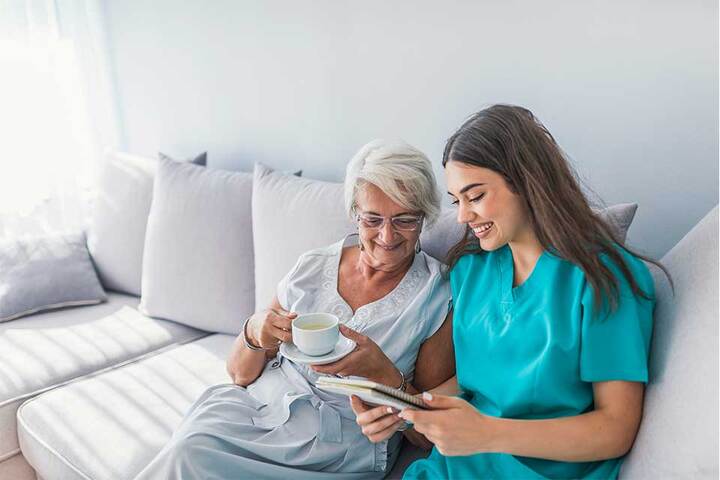
Preventing falls and common household accidents is an important part of safe home healthcare, especially for older adults, people with limited mobility, and individuals recovering from illness or surgery. Caregivers at home in Dubai can provide practical support with daily activities while helping families maintain a safer environment. With appropriate guidance from healthcare professionals, including a Doctor at Home, caregivers can identify potential hazards, support mobility, and encourage safe routines that reduce avoidable risks.
Why Fall Prevention Matters at Home:
Falls can happen unexpectedly during ordinary activities such as walking to the bathroom, getting out of bed, bathing, or reaching for household items. For older adults and people with weakness or balance difficulties, a fall may result in bruises, fractures, head injuries, or a loss of confidence when moving around. Caregivers can observe how a person moves throughout the day and identify situations that may increase the risk of accidents. They can also remind individuals to use prescribed mobility aids correctly, avoid rushing, and ask for assistance when necessary. Consistent supervision and practical support can make everyday activities more controlled and safer.
Identifying Common Household Hazards:
A caregiver can regularly check the home environment for conditions that could cause slips, trips, or other accidents. Small changes can make important areas easier and safer to navigate, particularly for people with reduced vision, balance problems, or limited mobility. Common hazards to look for include:
- Loose rugs or unsecured carpets
- Cluttered walking pathways
- Poor lighting in hallways and bedrooms
- Wet bathroom or kitchen floors
- Electrical cords across walking areas
- Furniture positioned too close together
- Items stored on difficult-to-reach shelves
- Lack of support near toilets, showers, or stairs
Addressing these hazards promptly can help create a more organized and accessible living space.
Supporting Safe Movement and Mobility:
Caregivers can help individuals move safely from one area of the home to another while encouraging as much independence as appropriate. They may provide assistance when someone gets out of bed, stands from a chair, walks to the bathroom, or uses stairs. If a person has been advised to use a walker, cane, or another mobility aid, the caregiver can encourage proper use according to healthcare instructions. They should avoid pulling or lifting a person unnecessarily and seek professional guidance when a person's mobility changes significantly. Safe movement also includes allowing enough time for transitions rather than encouraging rushed movements.
Making Bathrooms Safer:
Bathrooms are among the areas where slips and falls can occur because water can make surfaces wet and difficult to walk on. Caregivers can help maintain bathroom safety by keeping floors dry, ensuring frequently used items are within easy reach, and encouraging the use of appropriate support equipment when recommended. A shower chair, grab bars, non-slip surfaces, and adequate lighting may help reduce risks for people who have difficulty standing or balancing. Caregivers can also remain nearby when assistance is needed while respecting the person's privacy and dignity. Regular bathroom checks can help identify new hazards before they become a problem.
Preventing Medication-Related Accidents:
Medication routines can also affect safety at home. Taking the wrong medicine, confusing similar packaging, or missing prescribed doses may create additional risks. Caregivers can help organize medication schedules according to the instructions provided by the patient's healthcare professional. They can use clearly labeled medication organizers or written schedules when appropriate and remind individuals about prescribed doses. However, caregivers should not independently change medication doses or stop treatments unless instructed by an authorized healthcare professional. If dizziness, unusual sleepiness, confusion, or other concerning effects occur, the caregiver should report them promptly.
Improving Lighting and Visibility:
Good lighting can make a significant difference for people who have difficulty seeing obstacles, particularly during nighttime movement. Caregivers can check whether bedrooms, hallways, bathrooms, stairways, and entrances have sufficient illumination. Nightlights may be useful near beds and bathroom routes, while switches should be easy to reach. Curtains and blinds can also be adjusted during the daytime to improve natural visibility. Keeping commonly used objects in predictable locations may further reduce the need for searching or reaching in poorly lit areas.
Helping Prevent Burns and Household Injuries:
Caregivers can also help reduce risks unrelated to falls. Burns may occur when people handle hot drinks, cooking equipment, heated surfaces, or hot water without adequate support. Sharp objects, cleaning products, and electrical appliances should be stored and handled safely. People with reduced sensation, weakness, or cognitive difficulties may need additional supervision around potentially hazardous household items. Simple safety habits include:
- Keeping hot liquids away from table edges
- Checking water temperature before bathing
- Storing cleaning products securely
- Keeping electrical appliances away from water
- Using kitchen equipment according to safety instructions
- Removing damaged electrical cords or unsafe equipment
These precautions can help create a safer daily environment.
Preventing Accidents During Transfers:
Moving between a bed, chair, wheelchair, and bathroom can be challenging for people with weakness or balance problems. Caregivers can support transfers by ensuring the destination surface is stable and the surrounding area is free from obstacles. Chairs and beds should be positioned securely, and mobility equipment should be used according to professional instructions. The caregiver should communicate clearly before assisting and allow the person to participate as much as safely possible. If a person suddenly becomes unable to transfer as usual, professional medical assessment may be necessary rather than simply increasing physical assistance.
Encouraging Safe Daily Routines:
Consistent routines can make daily activities easier to manage and may reduce unnecessary risks. Caregivers can help establish predictable schedules for waking, meals, medication reminders, personal hygiene, walking, rest, and bedtime. Regular hydration and appropriate nutrition can also support general wellbeing. Individuals should be encouraged to take breaks when tired rather than continuing activities when their strength or concentration has decreased. A familiar routine can also help caregivers notice changes in mobility, alertness, or behavior that may require further attention.
What Caregivers Should Monitor Daily:
Preventing accidents requires ongoing observation rather than a one-time safety check. Caregivers can pay attention to changes that may increase the risk of falls or other injuries. Important observations may include:
- New difficulty walking or standing
- Increased unsteadiness
- Changes in alertness or concentration
- Complaints of dizziness
- Increased weakness or fatigue
- Difficulty using mobility equipment
- Changes in vision
- New pain affecting movement
- Repeated near-falls
- Changes in the person's usual daily routine
Documenting relevant changes and communicating them to family members and healthcare professionals can support timely intervention.
When Professional Support May Be Needed:
Some safety concerns require more than routine caregiver assistance. A sudden fall, significant injury, unexplained weakness, severe dizziness, confusion, breathing difficulty, or sudden change in mobility should receive appropriate medical attention. Families may also benefit from professional home healthcare when a person's care needs become more complex. Healthcare professionals can assess the individual's condition and provide recommendations that caregivers can follow safely. Combining caregiver assistance with appropriate medical oversight can help families respond to changing needs without relying solely on informal support.
Final Thoughts:
Caregivers play an important role in preventing falls and common household accidents by combining attentive supervision with practical safety measures. From keeping walkways clear and bathrooms safe to supporting mobility and monitoring changes in daily functioning, small precautions can make everyday life more secure. Families in Dubai can work with trained caregivers and healthcare professionals to develop a home environment that supports safety, comfort, dignity, and appropriate independence. Regular observation and timely professional guidance are especially valuable when an individual's health or mobility changes.