DevSecOps for Startups: Building Security In From Day One
Posted by Justin Roy
Filed in Music 8 views
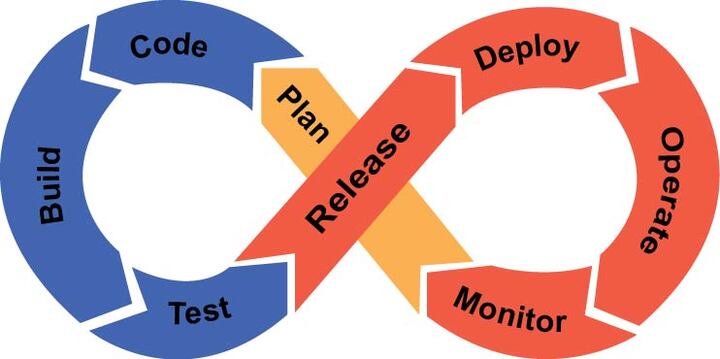
Startups often treat security as something to address once they have a dedicated security hire, but by the time that happens, security debt has usually accumulated across the codebase, infrastructure, and third-party integrations. DevSecOps, folding security checks into the development pipeline instead of bolting them on at the end, doesn't require a security team to start; it requires a handful of practices built into how the team already ships code, an approach that pairs well with the outsourcing considerations in our software development outsourcing guide. The goal isn't perfect security from day one, it's building habits that don't have to be unlearned later.
The Minimum Viable DevSecOps Stack
For a startup with a small engineering team, the highest-leverage practices are automated dependency scanning to catch known vulnerabilities in third-party packages before they ship, secrets scanning in the CI pipeline to catch API keys or credentials accidentally committed to code, and basic infrastructure-as-code review so environment configuration changes go through the same review process as application code. None of these require a dedicated hire, most integrate directly into existing CI/CD pipelines with a few hours of setup.
Where Startups Get Security Wrong Early
The most common early-stage mistake is treating security as a pre-launch checklist rather than an ongoing practice, running a one-time audit before a big client deal or fundraising round, then letting the same gaps reopen as the codebase grows. The second most common mistake is over-permissioned cloud infrastructure: giving every service account broad access to move faster, which turns a single compromised credential into a full breach instead of a contained one.
Compliance Frameworks Worth Knowing Early
Startups that plan to sell into enterprise or regulated customers eventually need to demonstrate compliance with a framework like SOC 2 or ISO 27001, and the audit for either one goes far more smoothly when the underlying DevSecOps practices were already in place beforehand. Access logging, change management records, and vulnerability scanning history are all things an auditor asks for directly, and reconstructing months of that history retroactively is far more expensive than having generated it automatically all along.
Even startups with no immediate compliance deadline benefit from building these habits early, since retrofitting them under time pressure, right when a big enterprise deal depends on passing a security review, is when mistakes are most likely to happen.
Scaling DevSecOps as the Team Grows
As the engineering team grows past a handful of people, the practices that started as manual checklist items should move into automated gates that block risky code from merging, rather than relying on someone remembering to check. This mirrors the same production discipline applied to the sensitive data pipelines covered in our predictive analytics software development guide.
The transition point is usually obvious in hindsight: once code review starts to feel like a bottleneck rather than a formality, that's the signal to invest in automated security gates instead of asking reviewers to manually catch issues that a scanner would catch instantly and consistently every time.
Frequently Asked Questions
What is DevSecOps?
DevSecOps is the practice of integrating security checks directly into the software development and deployment pipeline, rather than treating security as a separate step after development is complete.
Do startups need a dedicated security team for DevSecOps?
No, a small engineering team can implement core DevSecOps practices like dependency scanning and secrets detection directly in their existing CI/CD pipeline without a dedicated security hire.
What's the most common security mistake startups make?
Treating security as a one-time pre-launch checklist instead of an ongoing practice, which allows the same vulnerabilities to reappear as the codebase grows.
What tools help implement DevSecOps for a small team?
Automated dependency scanners, secrets-detection tools in CI pipelines, and infrastructure-as-code review processes are typically the highest-leverage starting points.
When should a startup hire a dedicated security engineer?
Most startups benefit from a dedicated security hire once the engineering team grows large enough that manual checklist-based security practices can no longer scale reliably.