How Braces Treatment Results Transform Your Whole Smile
Posted by Hassan Dynamic
Filed in Health 30 views
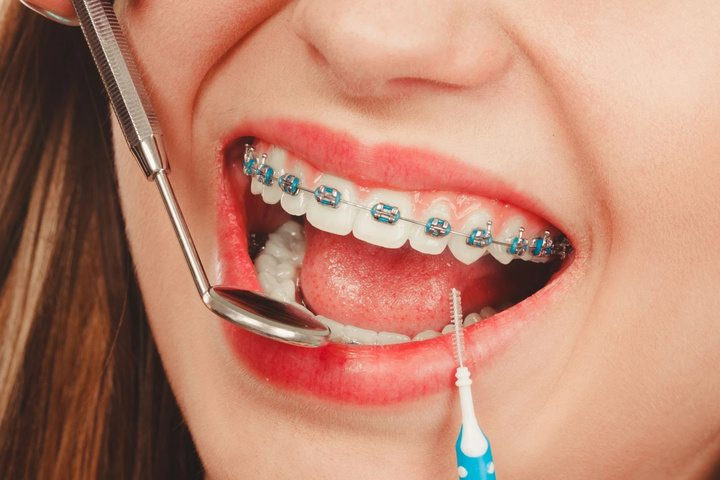
A straighter smile can change much more than the position of individual teeth. Braces in Dubai can help correct crowding, spacing, crooked teeth, and bite problems while creating a more balanced overall appearance. The transformation is often gradual, but as treatment progresses, the relationship between your teeth, gums, bite, and smile becomes more harmonious.
How Braces Change the Overall Appearance of Your Smile
One of the most noticeable effects of orthodontic treatment is improved tooth alignment. Teeth that overlap, rotate, lean, or sit unevenly can gradually move into better positions as controlled pressure guides them through the bone.
However, the final result is not simply about having straight teeth. The way the teeth appear together matters just as much. Proper alignment can make the smile look more symmetrical and create a smoother transition from one side of the mouth to the other.
For many people, orthodontic correction also changes how much of each tooth is visible when smiling. When teeth are properly positioned, the smile may appear more balanced because the upper and lower teeth meet in a more coordinated way.
This is why orthodontic treatment is planned according to the patient's complete bite and facial structure rather than focusing only on one crooked tooth.
Correcting Crowding Creates a More Balanced Smile
Dental crowding occurs when there is insufficient space for teeth to fit comfortably within the dental arch. Some teeth may overlap, twist, or become positioned behind or in front of neighboring teeth.
Braces can gradually create better alignment by applying carefully controlled forces. Depending on the individual case, an orthodontist may use different techniques to make room and guide each tooth toward its planned position.
As crowding improves, several changes may become visible:
- Teeth appear more evenly spaced and aligned.
- Overlapping teeth become easier to clean.
- The dental arches can look more symmetrical.
- The smile may appear wider and more organized.
- Individual teeth can become more proportionate within the overall smile.
The transformation can be especially noticeable when comparing photographs taken before treatment with images captured after the teeth have been aligned.
How Braces Improve Bite and Smile Harmony
A beautiful smile is closely connected to the way the upper and lower teeth fit together. Problems such as overbite, underbite, crossbite, and open bite can affect both appearance and function.
During braces treatment in Dubai, orthodontic appliances can help reposition teeth and improve the relationship between the dental arches. The objective is not necessarily to create a perfectly identical bite for everyone, but to establish an alignment that is appropriate for the individual's anatomy.
Improving the bite can make the smile look more coordinated because the upper and lower teeth work together more effectively. In some cases, correcting the bite can also help reduce uneven pressure on certain teeth.
A properly planned orthodontic result therefore considers both aesthetics and function. Straightening the visible front teeth while leaving an underlying bite issue untreated may not provide the comprehensive result a patient expects.
What Happens to Your Smile as Treatment Progresses?
Orthodontic results develop in stages rather than appearing overnight. Early appointments may focus on beginning alignment, while later stages often involve refining tooth positions and coordinating the bite.
Patients may notice small changes first. A slightly rotated tooth may become straighter, gaps can begin to close, or crowded areas may gradually become more organized.
As treatment continues, the changes become easier to recognize. The teeth start to form a more consistent arch, and the overall smile can become increasingly uniform.
The final stage is particularly important because orthodontic treatment is not simply about moving teeth into approximate positions. Small adjustments may be needed to improve how individual teeth contact one another and how they contribute to the final smile.
Once the desired alignment is achieved, retainers are generally used to help maintain the result. Teeth can naturally shift over time, so following the orthodontist's retention instructions is an important part of protecting the transformation.
The Connection Between Tooth Alignment and Facial Appearance
Your smile does not exist separately from the rest of your face. The position of the teeth and jaws contributes to the way the lips sit and how the smile appears from different angles.
When orthodontic treatment corrects significant tooth or bite irregularities, the change may therefore be visible beyond the teeth themselves. Better alignment can provide greater support for the lips and create a more coordinated appearance when smiling.
The extent of these changes varies considerably from person to person. Age, tooth position, jaw structure, treatment goals, and the type of orthodontic correction required can all influence the final appearance.
This is one reason an individualized treatment plan matters. Two people may have similar-looking crooked teeth but require different approaches to achieve stable and aesthetically pleasing results.
Why the Final Results Depend on More Than the Braces
Braces provide the force needed to move teeth, but successful results also depend on the patient's participation throughout treatment.
Following professional instructions can help treatment progress as planned. Oral hygiene is especially important because brackets and wires can create additional areas where plaque and food particles accumulate.
Patients should also attend scheduled orthodontic appointments so adjustments and progress can be monitored. Avoiding foods that can damage brackets or wires can help prevent unnecessary interruptions.
Important habits during treatment include:
- Brush thoroughly around brackets and along the gumline.
- Clean between teeth using appropriate interdental cleaning methods.
- Follow instructions about elastic bands or other appliances.
- Attend recommended follow-up appointments.
- Protect the teeth during activities where a mouthguard is advised.
- Wear retainers as instructed after active treatment.
These habits help protect the teeth while orthodontic movement is taking place and support the quality of the final result.
When Can You See the Full Smile Transformation?
The timeline for visible changes varies because every orthodontic case is different. Mild alignment concerns may respond differently from complex crowding or bite problems requiring more extensive movement.
Some improvements can become noticeable relatively early, but the final result generally takes longer because teeth need to move gradually and safely. Orthodontists must also allow biological tissues around the teeth to adapt during the process.
It is important not to judge treatment based solely on how quickly the front teeth appear straight. A successful outcome may require additional time to refine the bite, spacing, tooth angulation, and overall alignment.
After active treatment, retention becomes part of maintaining the transformation. Without consistent retainer use, teeth may gradually move away from their corrected positions.
Choosing Braces for a Complete Smile Transformation
When considering Braces in Dubai, the goal should be more than simply making crooked teeth look straighter. A comprehensive orthodontic assessment can identify the underlying alignment and bite concerns that influence the appearance and function of the entire smile.
The right treatment approach depends on factors such as the degree of crowding, spacing, bite relationship, tooth position, jaw development, and individual treatment goals. Traditional metal braces are one option, while other orthodontic systems may be suitable for particular cases.
A consultation with a qualified dental professional can help determine whether braces are appropriate and what type of improvement may realistically be expected.
Conclusion
The results of orthodontic treatment can transform the way an entire smile looks and functions. By addressing alignment, spacing, crowding, and bite relationships together, Braces Treatment can create a more balanced smile rather than simply moving a few visible teeth.
The transformation takes time and requires consistent care, but the final result can provide lasting improvements in alignment and smile harmony. If you are considering orthodontic correction, a professional assessment can help you understand your options and the type of smile transformation that may be achievable for your individual needs.