Is Endolift Treatment Safe for Sensitive Facial Skin?
Posted by Hassan Dynamic
Filed in Health 137 views
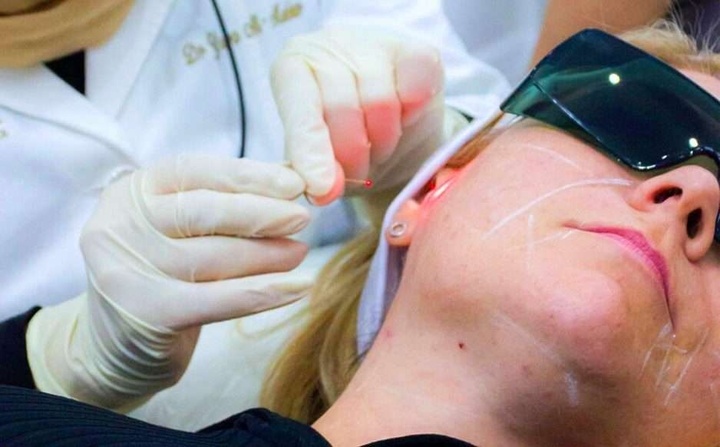
For people with sensitive facial skin, choosing an aesthetic procedure can feel like a difficult decision. Endolift in Dubai is increasingly considered by those who want skin tightening and facial contouring without traditional surgery, but sensitivity raises an important question: can the treatment be performed safely without causing excessive irritation or other skin problems? Current evidence suggests that Endolift can have a favorable safety profile when appropriately selected and performed, although sensitive skin requires careful assessment, conservative treatment settings, and experienced medical supervision.
What Is Endolift and How Does It Affect Sensitive Skin?
Endolift is a minimally invasive laser procedure that uses a very fine optical fiber beneath the skin to deliver laser energy to targeted tissue. The commonly described Endolift approach uses a 1470 nm diode laser, with the energy producing controlled thermal effects that can support collagen remodeling, skin tightening, and, in selected areas, localized fat reduction.
Unlike treatments that work primarily on the outermost layer of the skin, Endolift delivers energy beneath the surface. This means the epidermis is not intentionally resurfaced or removed, which may make the procedure appealing to individuals concerned about surface irritation.
However, "sensitive skin" does not automatically mean "risk-free." Skin sensitivity can have different causes, including a weakened skin barrier, a tendency toward redness, previous reactions to cosmetic procedures, or an underlying dermatological condition. A proper consultation is therefore important before deciding whether Endolift for sensitive skin is appropriate.
Research published in 2024 found generally favorable safety outcomes across the studies it reviewed, with adverse events described as mild and self-limiting in the included literature. At the same time, the researchers emphasized that larger and better-controlled studies are still needed.
Is Endolift Safe for Sensitive Facial Skin?
In many appropriately selected patients, Endolift may be performed safely on sensitive facial skin, but the treatment should not be approached as though every patient has the same tolerance.
The amount of laser energy, treatment area, depth, and technique can all influence how tissue responds. Because Endolift creates a controlled thermal effect below the skin, excessive or improperly delivered energy can potentially cause unwanted tissue injury. A 2025 systematic review specifically noted limitations in the available evidence, including inconsistent treatment parameters and insufficient high-quality research to make broad claims about Endolift's safety for every patient.
For someone with sensitive skin, the consultation should therefore focus on individualized treatment planning rather than simply asking whether the procedure is "safe."
Important factors include:
- The current condition of the skin barrier
- History of unusual reactions to cosmetic treatments
- Existing redness, inflammation, or irritation
- The area being treated
- Previous laser or energy-based procedures
- The planned laser settings and treatment depth
- The practitioner's experience with facial anatomy and Endolift
This individualized approach is particularly important because complications from energy-based aesthetic procedures can be associated with inappropriate patient selection, unsuitable parameters, inadequate treatment planning, or insufficient operator experience.
What Side Effects Should Sensitive-Skin Patients Expect?
Even when a procedure is performed correctly, temporary reactions can occur. Sensitive skin may make normal post-treatment sensations feel more noticeable, although sensitivity alone does not necessarily mean a serious complication will occur.
Common short-term effects can include mild swelling, redness, tenderness, or bruising around treatment areas. These reactions generally settle as the treated tissue recovers.
More significant complications are uncommon but should not be ignored. Published literature on Endolift and related endolaser techniques has reported concerns such as burns, hematomas, contour irregularities, pigmentary changes, and, rarely, more serious thermal injury. A 2026 case report described cutaneous necrosis following an endolaser procedure, demonstrating why appropriate energy control and professional technique matter even when a treatment is considered minimally invasive.
The possibility of pigmentary changes can also be particularly relevant for people who are prone to post-inflammatory pigmentation. This does not mean that every person with sensitive or reactive skin will experience pigmentation, but it reinforces the importance of discussing individual skin characteristics before treatment.
How Can Endolift Be Made Safer for Sensitive Skin?
The safest approach begins before the laser is ever applied. A qualified practitioner should examine the skin, discuss medical and cosmetic history, identify potential contraindications, and determine whether the patient's concerns are suitable for Endolift.
Treatment planning can then be adjusted to the individual's needs. Rather than using identical settings for every patient, the practitioner may consider the treatment area, tissue characteristics, desired outcome, and tolerance when determining how the procedure should be performed.
Good clinical practice also involves clearly explaining possible benefits and risks before treatment. This is especially important for patients who describe their skin as highly reactive or who have previously experienced irritation after aesthetic procedures.
For individuals researching Endolift in Dubai, choosing a reputable medical setting is therefore more important than simply looking for the newest technology. The equipment is only one part of the safety equation; patient selection, facial anatomy knowledge, treatment technique, and aftercare all contribute to the final experience.
When Should Sensitive Skin Be Evaluated Before Endolift?
Not every episode of facial sensitivity means that Endolift should be avoided. However, treatment may need to be postponed or reconsidered when the skin is actively irritated or when there is an unresolved dermatological problem.
A consultation is particularly useful if you have recently experienced unexplained redness, inflammation, significant skin irritation, or an unusual response to another cosmetic treatment. Treating compromised skin without first understanding its condition may increase the likelihood of an undesirable response.
Patients should also provide complete information about previous procedures and products used on the treatment area. This gives the practitioner a clearer picture of how the skin may respond and whether additional precautions are appropriate.
It is also worth remembering that research into Endolift remains relatively limited compared with some more established aesthetic procedures. A 2025 scoping review found that much of the available evidence consisted of case series and other lower-level study designs, with substantial variation in treatment protocols.
That evidence gap does not establish that Endolift is unsafe. Instead, it means patients should have realistic expectations and avoid assuming that a minimally invasive procedure carries zero risk.
What Should You Do After Endolift if You Have Sensitive Skin?
Aftercare can influence how comfortably the skin settles following treatment. Patients should follow the specific instructions provided by their practitioner rather than experimenting with aggressive skincare immediately afterward.
Sensitive skin may benefit from keeping the routine simple while the treated area recovers. Avoiding unnecessary irritation and following professional recommendations can help reduce the chance of aggravating temporary redness or discomfort.
Patients should also pay attention to symptoms that appear unusual or progressively worsen. Significant pain, increasing swelling, blistering, marked discoloration, unusual drainage, or other concerning changes should be reported promptly to the treating medical professional.
The goal is not to eliminate every temporary sensation but to distinguish expected recovery from symptoms that require assessment.
The Bottom Line: Is Endolift Suitable for Sensitive Skin?
Endolift can be a suitable option for some people with sensitive facial skin, particularly when the skin is assessed beforehand and the treatment is carefully customized. Current reviews report generally favorable safety findings, but the evidence base is still developing, and rare complications demonstrate that the procedure should not be treated as risk-free.
If you are considering Endolift Treatment, the most important step is a professional consultation rather than relying solely on general claims about safety. A qualified practitioner can evaluate your skin, discuss your sensitivity and previous reactions, explain realistic benefits and risks, and determine whether the procedure is appropriate for your individual situation.