Who is suitable for Hair Transplant treatment?
Posted by Hassan Dynamic
Filed in Health 445 views
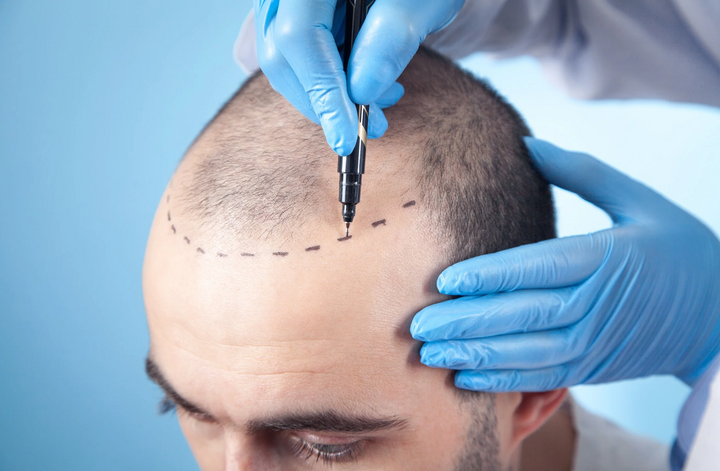
Hair loss affects millions worldwide, often impacting confidence and self-esteem. For those exploring long-term solutions, understanding who is suitable for Hair Transplant treatment is essential. Patients considering this procedure in the UAE can benefit from specialized services offered at a Hair Transplant Clinic in Sharjah, with leading facilities like Dynamic Clinic in Dubai providing advanced options tailored to individual needs.
Understanding Hair Transplant Procedures
Hair transplant treatments involve moving hair follicles from a dense donor area to thinning or bald regions. The most common techniques are Follicular Unit Extraction (FUE) and Follicular Unit Transplantation (FUT). Both methods aim for natural-looking results, but suitability depends on factors like hair type, scalp condition, and overall health. A consultation at a professional clinic ensures the most effective approach is selected.
Ideal Candidates for Hair Transplant
Not everyone experiencing hair loss is immediately eligible for a transplant. Identifying suitable candidates improves success rates and patient satisfaction. Key factors include:
-
Age and hair loss stability: Patients should ideally have stable hair loss patterns. Sudden or unpredictable shedding may require alternative treatments first.
-
Donor hair availability: Sufficient healthy hair in donor areas, usually at the back or sides of the scalp, is crucial for coverage.
-
Good overall health: Individuals with chronic conditions or untreated medical issues may need evaluation before undergoing surgery.
-
Realistic expectations: Patients should understand what hair density and coverage are achievable through transplant procedures.
Who Should Consider Hair Transplant?
Hair transplants are commonly suited for:
-
Individuals with male or female pattern baldness (androgenetic alopecia)
-
Those who have experienced thinning due to aging or genetics
-
People recovering from scalp injuries or burns seeking hair restoration
-
Patients with receding hairlines or patchy hair loss
While hair transplant is a permanent solution, it is essential to ensure the patient’s hair loss pattern will not continue to progress significantly after the procedure.
Factors That Influence Suitability
Several aspects determine whether a person can undergo a successful hair transplant:
-
Hair density and quality: Thicker, stronger hair increases graft survival and natural-looking results.
-
Scalp elasticity: A flexible scalp facilitates easier harvesting and implantation of follicles.
-
Lifestyle considerations: Smoking, alcohol use, and certain medications can affect recovery and hair growth.
-
Age and hormonal factors: Younger patients with ongoing hair loss may need additional treatments over time to maintain results.
Pre-Transplant Assessments
Before committing to hair transplant surgery, clinics perform detailed assessments to confirm suitability:
-
Scalp examination – Evaluates hair density, scalp health, and donor site viability.
-
Medical history review – Ensures no underlying conditions could affect surgery or healing.
-
Hair loss pattern analysis – Determines if hair loss has stabilized, and the expected coverage area.
-
Discussion of goals – Aligns patient expectations with achievable outcomes.
These assessments are crucial in ensuring patients are fully informed and prepared for the procedure.
Benefits of Choosing the Right Candidate
Selecting a suitable patient significantly improves treatment outcomes:
-
Higher graft survival rate
-
Natural hairline and density
-
Reduced risk of complications
-
Long-term satisfaction and minimal need for corrective procedures
Clinics like those in Sharjah and Dubai emphasize patient evaluation to ensure each procedure meets the individual’s unique needs.
Considerations for Female Candidates
Hair transplant treatments are not limited to men. Women experiencing thinning or patterned hair loss can also be excellent candidates if they meet the following criteria:
-
Hair loss is primarily on the top or frontal scalp
-
Adequate donor hair is available
-
Hormonal causes, such as thyroid issues, have been managed
-
Expectations align with achievable density improvements
Female candidates often require personalized approaches due to differences in hair distribution and growth patterns.
Post-Transplant Lifestyle Recommendations
Suitability extends beyond the procedure itself. Patients need to maintain proper post-operative care for optimal results:
-
Avoiding strenuous activity and excessive sun exposure initially
-
Following prescribed medications and scalp care routines
-
Maintaining a healthy diet to support hair growth
-
Regular follow-ups to monitor hair development and overall scalp health
Adhering to these guidelines enhances recovery and ensures long-lasting, natural-looking results.
Conclusion
Understanding who is suitable for Hair Transplant treatment is key to achieving effective, natural results. Ideal candidates are those with stable hair loss, sufficient donor hair, realistic expectations, and good overall health. Clinics like a Hair Transplant Clinic in Sharjah, along with reputable providers such as Dynamic Clinic in Dubai, offer thorough assessments and personalized treatment plans that maximize success rates. Proper evaluation, combined with tailored care, ensures patients can regain hair density and confidence with long-term benefits.