How Does Surgical Scar Revision Differ From Non-Surgical Approaches?
Posted by Health care
Filed in Health 430 views
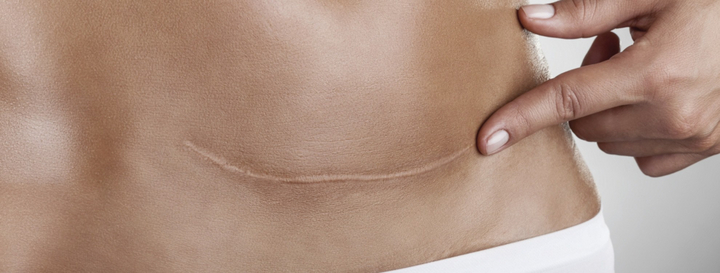
Scars are a natural part of the skin’s healing process, but not all scars heal in a way that people feel comfortable with. Some may be raised, sunken, discolored, or positioned in a way that affects appearance or confidence. In aesthetic and dermatological care, both surgical and non-surgical methods are used to improve the look and texture of scars. Understanding the difference between these approaches is essential for anyone considering Surgical Scar Revision in Dubai and exploring suitable treatment options.
In a city like Dubai, where advanced cosmetic procedures are widely sought after, individuals often look for safe and effective ways to reduce the visibility of scars and restore smoother skin. This article explains how surgical scar revision differs from non-surgical treatments and what makes each approach unique.
What Is Surgical Scar Revision?
Surgical scar revision is a medical procedure designed to improve the appearance of a scar by physically altering or removing scar tissue. It does not completely erase a scar but aims to make it less noticeable and better aligned with the surrounding skin.
This procedure is typically recommended for scars that are:
- Wide or stretched due to tension
- Poorly healed or irregular in shape
- Deep or thick (hypertrophic or keloid scars)
- Located in visible or sensitive areas
During Surgical Scar Revision in Dubai, a specialist may use techniques such as excision, layered closure, or skin repositioning to refine the scar’s appearance. The goal is to create a thinner, flatter, and more natural-looking scar line.
What Are Non-Surgical Scar Treatments?
Non-surgical approaches focus on improving scar appearance without cutting or physically removing tissue. These treatments are generally less invasive and often used for mild to moderate scarring.
Common non-surgical options include:
- Laser therapy to reduce redness and texture irregularities
- Microneedling to stimulate collagen production
- Chemical peels to improve skin tone and surface smoothness
- Steroid injections for raised or thick scars
- Silicone gels or sheets to soften and flatten scars
These methods are usually performed over multiple sessions and work gradually by encouraging the skin’s natural healing and regeneration processes.
Key Differences Between Surgical and Non-Surgical Approaches
Understanding the differences between surgical and non-surgical treatments can help individuals choose the most suitable method for their needs.
1. Level of Invasiveness
- Surgical scar revision: Involves cutting and reshaping scar tissue.
- Non-surgical treatments: Work externally or through minimal skin penetration.
2. Treatment Goals
- Surgical: Physically changes scar structure for long-term improvement.
- Non-surgical: Enhances skin texture, color, and softness over time.
3. Recovery Time
- Surgical: Requires a healing period as the skin recovers from the procedure.
- Non-surgical: Minimal downtime, often allowing quick return to daily activities.
4. Number of Sessions
- Surgical: Usually a single procedure with follow-up care.
- Non-surgical: Often requires multiple sessions for visible results.
5. Suitability
- Surgical: Best for deeper, more complex scars.
- Non-surgical: Ideal for mild scars or early-stage scar management.
When Is Surgical Scar Revision Recommended?
Surgical Scar Revision in Dubai is generally considered when scars are unlikely to improve significantly with non-invasive methods. It may be suitable in cases where:
- The scar restricts movement or function
- There is significant cosmetic concern
- Previous non-surgical treatments have not delivered results
- The scar has healed in an uneven or widened manner
A careful assessment is always necessary to determine whether surgery or a non-surgical plan is more appropriate.
Benefits of Non-Surgical Scar Treatments
Non-surgical methods are often preferred for their convenience and gradual improvement. Benefits include:
- No surgical incisions or stitches
- Lower risk of complications
- Gradual, natural-looking improvement
- Flexible treatment plans tailored to skin type and scar condition
However, results may take time and are typically less dramatic compared to surgical revision.
Choosing the Right Approach
Selecting between surgical and non-surgical scar treatments depends on several factors, including scar type, skin condition, and personal expectations. In many cases, a combination of both approaches may provide the best outcome, where surgery is followed by non-invasive therapies to refine results further.
Individuals considering Surgical Scar Revision in Dubai should evaluate their scar’s characteristics and desired outcome carefully. While surgery offers more immediate structural correction, non-surgical treatments focus on enhancing skin quality over time.
Conclusion
Both surgical and non-surgical scar treatments play an important role in modern aesthetic care. The main difference lies in their approach—surgical revision physically reshapes scar tissue, while non-surgical methods enhance the skin’s appearance gradually through stimulation and surface-level improvement.
For those exploring Surgical Scar Revision in Dubai, understanding these differences is key to making an informed decision. With the right treatment plan, it is possible to significantly improve the appearance of scars and achieve smoother, more confident-looking skin.