How Blepharoplasty Changes Eyelid Function?
Posted by Health care
Filed in Health 365 views
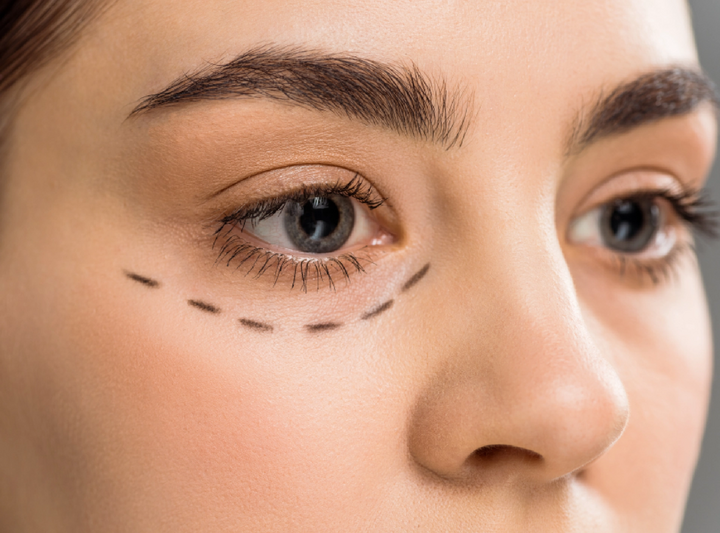
Blepharoplasty, commonly known as eyelid surgery, is a procedure designed to improve the appearance and, in some cases, the function of the eyelids. While many people associate it with cosmetic enhancement, its impact goes beyond aesthetics. For individuals seeking Blepharoplasty in Dubai, understanding how this procedure affects eyelid function is essential for making informed decisions.
In Dubai, where modern medical practices and advanced techniques are widely available, blepharoplasty is often performed to address both functional and structural concerns of the eyelids. This article explores how the procedure influences eyelid movement, vision, and overall eye health.
Understanding Eyelid Function
The eyelids play a crucial role in protecting the eyes and maintaining visual clarity. Their primary functions include:
- Spreading tears evenly across the eye surface
- Protecting the eyes from dust, debris, and injury
- Regulating light exposure
- Supporting proper lubrication to prevent dryness
When the eyelids become droopy, saggy, or excessively bulky due to aging, genetics, or medical conditions, these functions may be compromised. This is where blepharoplasty can make a significant difference.
What Happens During Blepharoplasty?
Blepharoplasty involves the removal or repositioning of excess skin, fat, and sometimes muscle from the upper or lower eyelids. The goal is to restore a more natural eyelid contour while improving functionality when needed.
For individuals considering Blepharoplasty in Dubai, the procedure is typically customized based on whether the upper eyelids, lower eyelids, or both require correction.
How Blepharoplasty Improves Eyelid Function
1. Enhances Vision by Reducing Obstruction
One of the most important functional benefits of blepharoplasty is improved vision. Excess skin on the upper eyelids can droop over the eyelashes, partially blocking the field of vision.
After surgery:
- The excess skin is removed or tightened
- The eyelid lifts to a more natural position
- The visual field becomes clearer, especially in upward or peripheral directions
This is particularly helpful for individuals who experience difficulty reading, driving, or performing daily tasks due to drooping eyelids.
2. Supports Proper Eyelid Closure
In some cases, overly loose or heavy eyelids may interfere with complete eyelid closure. This can lead to dryness and irritation of the eyes.
Blepharoplasty helps by:
- Restoring balanced eyelid structure
- Allowing smoother and more complete closure
- Improving tear distribution across the eye surface
As a result, the eyes remain better lubricated and more comfortable.
3. Reduces Eye Strain and Fatigue
When the eyelids are heavy or drooping, the muscles responsible for lifting them must work harder. This can cause eye fatigue and strain, particularly during prolonged visual tasks.
After blepharoplasty:
- The weight on the eyelids is reduced
- The muscles no longer overcompensate
- Eye fatigue is minimized
This leads to improved comfort during reading, screen time, and other activities that require focus.
4. Improves Tear Film Stability
The eyelids play a key role in maintaining a stable tear film. When eyelid function is compromised, tears may not spread evenly, leading to dryness or excessive tearing.
Blepharoplasty can:
- Improve eyelid alignment
- Enhance the blinking mechanism
- Promote even tear distribution
This contributes to better eye hydration and overall ocular health.
5. Enhances Blinking Efficiency
Blinking is essential for eye protection and lubrication. If eyelids are sagging or improperly positioned, blinking may become inefficient.
Post-surgery improvements include:
- More natural and complete blinking
- Reduced effort during eyelid movement
- Better coordination between upper and lower eyelids
Efficient blinking helps maintain eye cleanliness and reduces irritation.
Functional vs. Cosmetic Benefits
While many individuals pursue blepharoplasty for cosmetic reasons, the functional improvements are equally important. In the context of Blepharoplasty in Dubai, patients often experience a combination of both aesthetic refinement and functional enhancement.
Functional benefits may include:
- Wider field of vision
- Reduced eye discomfort
- Improved eyelid symmetry
- Better eyelid mobility
These improvements can significantly enhance daily quality of life.
Who Can Benefit from Functional Eyelid Improvement?
Blepharoplasty may be suitable for individuals who experience:
- Drooping upper eyelids that interfere with vision
- Excess eyelid skin causing heaviness
- Difficulty keeping eyes fully open
- Chronic eye irritation due to poor eyelid closure
- Asymmetry affecting eyelid movement
A careful evaluation is typically required to determine whether the procedure is appropriate based on eyelid anatomy and functional concerns.
Recovery and Functional Adaptation
After the procedure, the eyelids gradually adapt to their new structure. During recovery:
- Swelling and mild tightness may temporarily affect eyelid movement
- Blinking may feel slightly different as tissues heal
- Vision often improves as swelling subsides
Over time, eyelid function stabilizes, and patients typically notice more natural movement and improved comfort.
Final Thoughts
Blepharoplasty is more than just a cosmetic enhancement—it plays a significant role in improving eyelid function. By addressing excess skin, fat, and muscle, the procedure can restore proper eyelid movement, enhance vision, and support overall eye health.
For those exploring Blepharoplasty in Dubai, understanding its functional benefits is just as important as its aesthetic outcomes. With proper evaluation and realistic expectations, this procedure can offer meaningful improvements in both appearance and everyday visual performance.