Vehicle Storage Guide: What to Do Before Locking Up Your Car
Posted by John Bailey
Filed in Business 355 views
Introduction
Leaving a car parked for a few weeks sounds harmless until you come back to a dead battery, low tires, or a strange smell that was definitely not there before. That is why knowing what to do and avoid when storing a car matters more than most people realize.
A little preparation before storage can save you from expensive repairs later. In this guide, we will walk through how to clean and prep the vehicle, protect important parts like the battery and tires, and avoid the common mistakes that quietly damage cars during storage. Some steps take only a few minutes, but they make a huge difference once the car sits unused for a while.
Start With a Full Clean Before Storage
Most people think vehicle storage starts with parking the car and locking the door. Well, here’s the thing, dirt, moisture, and clutter become much bigger problems when they sit untouched for weeks or months.
Start with a proper exterior wash. Pay extra attention to the wheel wells and undercarriage because road salt, mud, and grime can slowly eat away at metal surfaces over time. Even if the car looks clean from the outside, hidden buildup underneath can still cause trouble later.
After washing, dry the vehicle completely. Trapped moisture often leads to mold, especially in humid weather. In addition, moisture around trims and seals can slowly damage the paint.
Waxing the car before storage also helps more than people expect. A good coat of wax adds a protective layer that shields the paint from dust, moisture, and minor surface damage while the car sits still. It is not mandatory, but it definitely helps if the vehicle will stay parked for months.
Inside the car, remove anything that can spoil, melt, or attract pests. That includes food wrappers, water bottles, charging cables, and even old receipts stuffed into compartments. You might be wondering why receipts matter. Rodents love paper nesting material, and parked cars can become surprisingly attractive hiding spots.
Once the vehicle is fully cleaned, the next step is making sure the internal systems are ready to sit unused without causing mechanical problems.
What Happens If You Store a Car Without Checking the Fluids?
A parked car still depends on healthy fluids. In fact, old or low fluids can slowly damage parts even when the engine is not running regularly.
Start with the engine oil. Dirty oil contains contaminants that sit inside the engine while the car is stored. Over time, those contaminants can affect internal components. If the oil change is already overdue, handle it before storage instead of waiting until later.
Next, check the coolant level. Coolant does more than regulate temperature during driving. It also helps prevent corrosion inside the cooling system. Low coolant levels can create issues that stay hidden until you start driving again months later.
Brake fluid matters too. Moisture can build up inside old brake fluid over time, especially if the car sits for long periods. While many people overlook this step, checking brake fluid condition before storage is still a smart move.
Fuel creates another common question. Should the tank stay full or empty? In most cases, keeping the tank nearly full works better because it reduces moisture buildup inside the tank. Adding a fuel stabilizer also helps prevent fuel breakdown if the car will remain unused for an extended period.
While these checks may feel small, they protect the systems that become expensive once neglected. However, fluids are only part of the equation because storage also affects the battery, tires, and brakes faster than many drivers expect.
Battery, Tires, and Brakes: The Parts That Suffer First
If a stored vehicle develops problems, the battery is usually the first thing to complain. Even when the car is turned off, small systems continue drawing power. After several weeks, that drain can leave the battery completely dead.
Using a battery maintainer helps keep the charge stable during storage. If you do not have one, disconnecting the negative battery cable can still reduce unnecessary power drain. However, newer vehicles with advanced electronics sometimes respond differently, so checking the owner’s manual is always a safe move.
Tires also struggle during long-term storage. When a car stays parked in one position for too long, the tires can develop flat spots. You will usually notice vibrations once you start driving again.
To Help Prevent This:
- Inflate the tires to the recommended pressure
- Move the vehicle slightly every few weeks if possible
- Avoid parking on damp or uneven surfaces
Some car owners place the vehicle on jack stands for very long storage periods. That can help reduce pressure on the tires, although it is not always necessary for shorter storage situations.
Brakes create another issue people often overlook. Leaving the parking brake engaged for months can sometimes cause brake components to stick, especially in humid conditions. Instead, wheel chocks are often a safer option if the car is stored on a flat surface.
You might think a parked car should stay untouched the entire time. Oddly enough, starting and moving it occasionally can still help keep components in better condition. Even a short drive around the block every few weeks can make a difference.
Of course, where you store the vehicle matters just as much as how you prepare it.
Is Indoor Vehicle Storage Really Worth It?
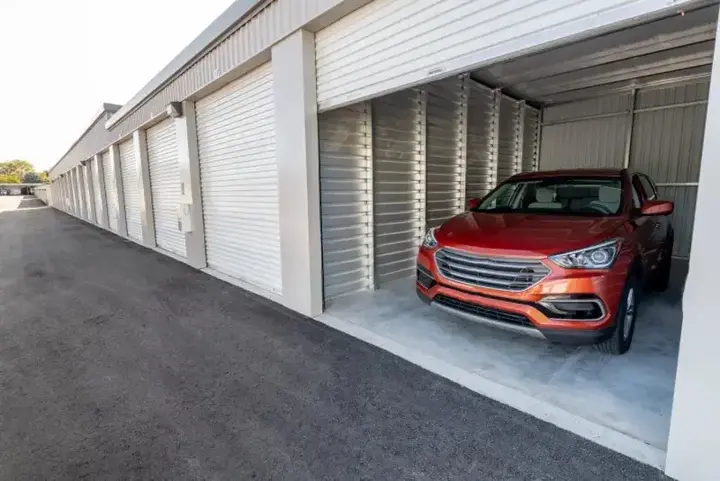
Indoor storage usually offers better protection, but it is not automatically perfect. A poorly ventilated indoor space can still trap moisture and create problems over time.
Garages and enclosed storage units help shield vehicles from sunlight, rain, dust, and falling debris. Moreover, indoor storage often lowers the chances of paint fading or rubber seals drying out. That said, airflow still matters. A damp storage space can encourage mold growth and corrosion surprisingly fast.
Outdoor storage can work too if you prepare carefully. However, the vehicle will face more exposure to temperature changes, moisture, and debris from the environment. In those cases, using a breathable car cover becomes important.
A lot of people buy cheap plastic-style covers thinking they offer extra protection. Unfortunately, those covers often trap moisture underneath. That trapped moisture can damage paint and create mildew inside the vehicle. Breathable fabric covers usually perform much better for long-term storage.
When Choosing a Storage Location, Pay Attention to Warning Signs Like:
- Strong humidity or musty smells
- Visible leaks or standing water
- Poor ventilation
- Pest activity nearby
Sometimes the storage space itself creates more damage than the car sitting unused. That is why checking the environment carefully matters before you hand over the keys and walk away.
Even then, a few smaller mistakes can still create frustrating surprises once you return to the vehicle.
Small Mistakes That Create Big Problems Later
Vehicle storage problems are often caused by small things people forget in a hurry. Unfortunately, those little oversights tend to show up at the worst possible time.
One common mistake is leaving electronics plugged in. Phone chargers, dash cams, GPS units, and other accessories can slowly drain the battery while the vehicle sits parked. It may not seem like much at first, but weeks later the battery says otherwise.
Rodents create another headache. Cars sitting still for long periods become warm, quiet hiding spots. Mice and rats can chew wiring, insulation, and even air filters. That repair bill gets ugly fast.
To Reduce the Risk:
- Avoid storing food or paper inside the car
- Seal possible entry points if practical
- Use rodent deterrents around the storage area
Insurance is another thing people forget to review. Some owners reduce or pause coverage during storage without fully understanding what remains protected. Checking the policy beforehand helps avoid unpleasant surprises later.
Before locking up the vehicle, do one final walkaround. Check the windows, tire pressure, fluid leaks, and battery setup one more time. Honestly, that quick inspection often catches the exact thing you would have forgotten otherwise.
And once all those details are handled, storing the car becomes much less stressful.
Conclusion
Preparing a vehicle for storage is really about preventing slow damage before it starts. A clean exterior, healthy fluids, protected tires, and a stable battery all help the car stay in good condition while it sits unused. At the same time, choosing the right storage environment matters just as much as the preparation itself.
Some people only think about security or price when comparing storage options, but airflow, moisture control, and even the available storage unit sizes to rent can affect how well the vehicle holds up over time.
If your car is going into storage soon, take an extra hour to prep it properly now. It is a lot easier than dealing with dead batteries, strange smells, or repair bills later when you are finally ready to drive again.