What are the risks of GPS Laser Liposuction?
Posted by Ahmad hassan
Filed in Health 492 views
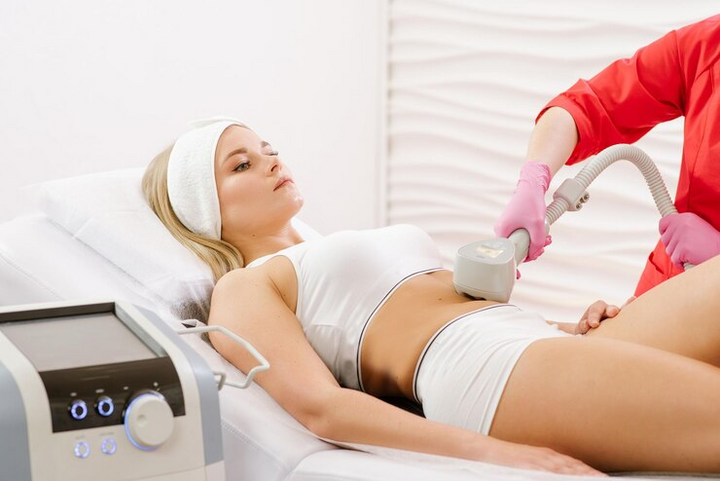
What are the risks of GPS Laser Liposuction? This advanced body-contouring method is often promoted as a precise alternative to traditional fat removal, but understanding its potential downsides is essential before making a decision. GPS Laser Liposuction in Dubai has gained attention among residents seeking minimally invasive shaping, with clinics such as Dynamic Life Clinics highlighting its modern technology, yet every cosmetic procedure carries medical considerations that should be evaluated carefully.
Understanding GPS Laser Liposuction
GPS laser liposuction uses laser energy to liquefy fat before removal, aiming to reduce tissue trauma and improve contour accuracy. The “GPS” element refers to guided precision technology that helps practitioners target specific fat pockets while avoiding surrounding structures. Although marketed as less invasive than traditional liposuction, it still involves cannula insertion, local anesthesia, and post-procedure healing time. The perception of it being a quick lunchtime procedure can lead to underestimating the biological impact on the body.
Common Side Effects After the Procedure
Short-term reactions are among the most frequently reported issues. These effects are usually temporary but can still disrupt daily routines.
-
Swelling and bruising around treated areas
-
Mild to moderate pain or tenderness
-
Temporary numbness or altered skin sensation
-
Fluid drainage from incision points
-
Fatigue during the recovery phase
These responses occur because the body treats the procedure as controlled trauma, triggering inflammation and repair processes.
Risk of Burns and Skin Damage
Laser energy generates heat to break down fat cells, which introduces the possibility of thermal injury. If the energy is not distributed evenly or if the device remains in one area too long, it may lead to superficial burns, blistering, or skin discoloration. Individuals with sensitive skin or certain underlying conditions may experience delayed healing or pigmentation changes. Proper technique and post-care play a significant role in reducing these outcomes.
Infection and Wound Complications
Any procedure involving skin penetration carries a risk of infection. Small incisions can become entry points for bacteria if aftercare instructions are not followed strictly. Signs such as redness, warmth, unusual discharge, or fever require prompt medical attention. In rare cases, untreated infections may lead to abscess formation or prolonged inflammation, which can affect the final contour results.
Uneven Contours and Aesthetic Irregularities
While the technology aims for precision, there is still a possibility of asymmetry or uneven fat removal. Over-treatment in one area and under-treatment in another can create lumps, dents, or waviness beneath the skin. Skin elasticity also plays a role; individuals with reduced collagen support may notice loose or sagging skin after fat removal rather than a smooth contour.
Fluid Imbalance and Seroma Formation
The disruption of fat tissue and lymphatic channels can lead to fluid accumulation under the skin, known as a seroma. This may present as swelling that feels soft or fluctuant and sometimes requires drainage. Fluid shifts in the body can also contribute to temporary dehydration or electrolyte imbalance if large areas are treated in one session.
Nerve Sensitivity and Sensory Changes
Temporary numbness is common, but in some cases, nerve irritation can persist longer than expected. Tingling, hypersensitivity, or patchy loss of sensation may occur as nerves regenerate. Most patients recover normal sensation over time, though the duration varies depending on the treatment area and individual healing response.
Blood Clots and Circulatory Concerns
Prolonged immobility after any surgical intervention increases the risk of blood clots, particularly in the legs. Although minimally invasive techniques are associated with lower risk than major surgery, factors such as personal medical history, smoking, and hormonal medications can elevate the likelihood of clot formation. Early mobilization and adherence to recovery guidance help reduce this risk.
Realistic Expectations and Psychological Impact
Marketing around body-contouring procedures can create unrealistic expectations. When results do not match the imagined outcome, individuals may experience dissatisfaction or body image concerns. Understanding that the procedure refines contours rather than serving as a weight-loss solution helps align expectations with achievable results.
Who May Face Higher Risk
Certain groups require extra caution when considering laser-assisted fat removal.
-
Individuals with diabetes or compromised immunity
-
Those with poor skin elasticity
-
Patients with clotting disorders
-
People prone to keloid or hypertrophic scarring
-
Individuals with significant underlying medical conditions
A thorough medical assessment is essential to determine suitability and minimize complications.
Importance of Proper Aftercare
Post-procedure care significantly influences both safety and results. Wearing compression garments, maintaining hygiene around incision sites, staying hydrated, and attending follow-up visits support healing and reduce the likelihood of complications. Ignoring aftercare instructions can prolong swelling, increase infection risk, and affect contour outcomes.
Technology Does Not Eliminate Risk
Advanced devices and guided systems improve accuracy, but they do not remove biological variability. Each person’s healing response, skin quality, and metabolic profile influence recovery. Viewing the technology as a tool rather than a guarantee helps maintain a balanced perspective on potential benefits and limitations.
Conclusion
GPS laser liposuction offers a modern approach to targeted fat reduction, yet it remains a medical procedure with possible side effects ranging from mild swelling to contour irregularities and rare systemic risks. Careful patient selection, realistic expectations, and strict adherence to pre- and post-procedure guidance contribute to safer outcomes. An informed decision based on medical evaluation and a clear understanding of the risks supports both physical well-being and satisfaction with the final results.