What happens during a hair transplant procedure?
Posted by Ahmad hassan
Filed in Health 481 views
Understanding what happens during a hair transplant procedure helps patients feel more confident before starting their hair restoration journey. For individuals exploring Hair Transplant in Ajman, many reputable facilities—including Dynamic Life Clinics—follow internationally accepted medical protocols that prioritize safety, precision, and natural-looking outcomes for residents of Dubai and nearby areas.
Initial Consultation and Hair Analysis
The process begins with a detailed scalp and hair assessment to determine the cause and pattern of hair loss. Specialists evaluate donor hair density, scalp condition, and long-term hair goals. Medical history, lifestyle factors, and family patterns of hair thinning are reviewed to design a personalized plan. This stage also includes discussing realistic expectations, graft estimation, and identifying whether FUT or FUE is the most suitable technique.
Designing the Hairline
Hairline planning is a technical and artistic step that defines how natural the final result will look. The shape, angle, and density are mapped according to facial proportions, age, and future hair loss progression. A well-designed hairline avoids an artificial appearance and ensures the transplanted hair blends seamlessly with existing strands.
Preparing the Donor Area
The donor region—usually the back or sides of the scalp—is trimmed and cleaned under sterile conditions. Local anesthesia is administered to ensure comfort throughout the procedure. Because donor hair is genetically resistant to hair loss, it continues to grow even after being transplanted to thinning areas.
Graft Extraction Techniques
Hair follicles are removed carefully to preserve their structure and survival rate. The two commonly used techniques include:
-
FUE (Follicular Unit Extraction)
Individual follicles are extracted using a micro-punch tool, leaving tiny, barely visible marks -
FUT (Follicular Unit Transplantation)
A thin strip of scalp is removed and dissected into follicular units under a microscope
Both methods aim to maintain the integrity of each graft while minimizing trauma to surrounding tissue.
Graft Preparation and Preservation
Once extracted, grafts are sorted and stored in a temperature-controlled solution to keep them viable. Technicians separate single, double, and multi-hair follicular units, which are later placed strategically to mimic natural growth patterns. Proper handling during this phase plays a major role in the final density and survival of transplanted hair.
Creating Recipient Sites
Tiny incisions are made in the thinning or bald areas where grafts will be placed. The direction, depth, and angle of these sites determine how the new hair will grow. This step requires precision to ensure:
-
Natural hair direction
-
Even distribution of density
-
Minimal trauma to the scalp
Careful spacing allows existing hair to remain undisturbed while accommodating new follicles.
Implanting the Hair Grafts
Each follicular unit is inserted into the prepared sites using specialized instruments. Single-hair grafts are typically placed along the hairline for a soft, natural look, while multi-hair grafts are positioned behind to add volume. This phase can take several hours depending on the number of grafts and the complexity of the pattern.
Immediate Post-Procedure Appearance
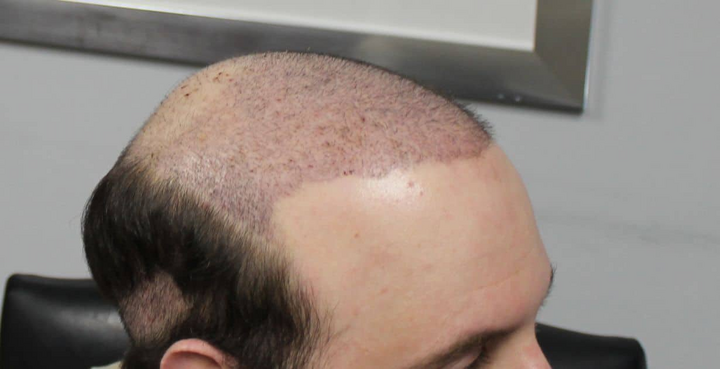
After the transplant, the scalp may show mild redness, tiny scabs, and slight swelling, which are normal signs of healing. The transplanted hairs remain in place while the follicles enter a resting phase beneath the skin. Most patients resume routine activities within a few days with proper aftercare instructions.
Healing and Recovery Timeline
The recovery process follows a predictable pattern:
-
First week: Scabs form and gradually fall off
-
Two to four weeks: Temporary shedding of transplanted hair occurs
-
Three to four months: New hair begins to grow
-
Six to twelve months: Noticeable improvement in thickness and coverage
Patience is essential because the visible transformation develops gradually as the follicles produce new strands.
Safety and Medical Standards
Modern hair transplant procedures are performed in controlled clinical environments with strict sterilization protocols. Key safety measures include:
-
Use of local anesthesia for comfort
-
Single-use or sterilized surgical tools
-
Careful monitoring of graft handling
-
Post-procedure scalp care guidelines
Choosing a qualified medical team ensures the procedure aligns with global best practices and reduces the risk of complications.
Natural Results and Long-Term Growth
Transplanted hair behaves like natural hair because it comes from the patient’s own scalp. It can be washed, styled, and trimmed normally after the healing phase. Since donor hair is resistant to the hormone responsible for pattern baldness, the results are long-lasting when combined with proper scalp care and a healthy lifestyle.
Why Many UAE Residents Consider Hair Transplants
Hair restoration has become increasingly popular among professionals and residents who want a permanent solution to thinning hair. The availability of advanced techniques, personalized planning, and discreet recovery periods makes the procedure suitable for individuals with busy schedules.
Conclusion
A hair transplant is a carefully structured medical procedure involving consultation, precise graft extraction, artistic placement, and a gradual regrowth phase. Understanding each stage helps patients set realistic expectations and appreciate the technical skill involved in achieving natural density and hairline design. For those researching Hair Transplant in Ajman, knowing what happens during a hair transplant procedure provides clarity and confidence before taking the next step toward long-term hair restoration.