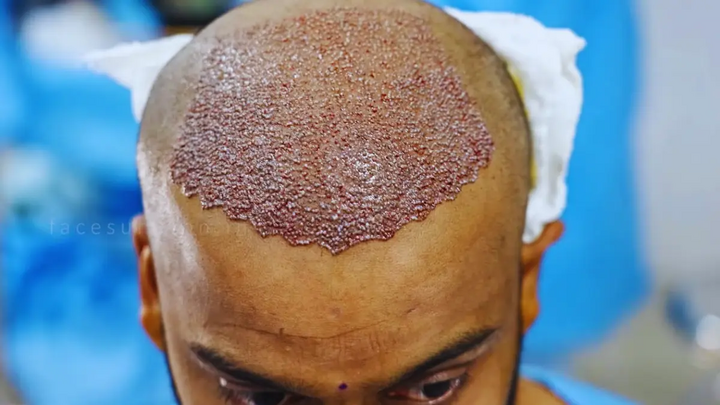
Preparing for a DHI Direct Hair Implant requires more than simply booking a procedure; it involves medical, lifestyle, and scalp-specific steps that influence the overall experience and recovery. For individuals researching DHI Direct Hair Implant in Dubai, understanding the preparation process helps set realistic expectations and supports better outcomes. Many patients begin their journey through trusted platforms such as Dynamic Life Clinics, where structured pre-procedure guidance is often part of the consultation phase.
Understanding the DHI Technique Before You Begin
DHI is a refined hair restoration method that uses a specialized implantation pen to place grafts directly into the scalp without creating prior channels. Because implantation and extraction happen in a controlled sequence, the preparation focuses heavily on scalp condition, donor area health, and general wellness. Patients in Dubai often schedule their procedure around work and climate considerations, making timing an important part of planning.
Pre-Consultation Checklist
Before committing to the procedure, gathering accurate personal and medical information allows the consultation to be more productive. This stage helps determine candidacy and identify any factors that may affect healing.
-
Share a complete medical history, including chronic conditions
-
List current medications and supplements
-
Document previous hair treatments or scalp issues
-
Provide clear photos of the hairline and crown under good lighting
These details allow the treatment plan to be tailored to hair density, donor strength, and long-term hair loss patterns.
Medical Readiness and Health Optimization
A healthy body supports graft survival and faster recovery. Patients are usually advised to focus on stabilizing any underlying conditions such as hormonal imbalances or nutritional deficiencies. Blood tests may be recommended to evaluate iron levels, vitamin status, and general health markers.
Hydration and balanced nutrition play a role in tissue healing. Diets rich in protein, zinc, biotin, and vitamins A and D support follicle strength. Sudden crash diets or aggressive weight loss plans before the procedure can weaken hair shafts and should be avoided during the preparation period.
Smoking and alcohol consumption are commonly addressed during pre-procedure planning because both can affect blood circulation to the scalp. Reducing or pausing these habits ahead of the appointment supports better oxygen delivery to implanted grafts.
Scalp Preparation Guidelines
The condition of the scalp directly affects the ease of implantation. A clean, irritation-free scalp allows for smoother graft placement and reduces the risk of post-procedure sensitivity.
Patients are typically advised to:
-
Wash the hair regularly with a mild, sulfate-free shampoo
-
Avoid chemical treatments such as coloring, straightening, or perming
-
Pause the use of heavy styling products that cause buildup
-
Treat dandruff or scalp inflammation before the procedure
Sun exposure is another factor in Dubai’s climate. Protecting the scalp from intense UV rays in the weeks leading up to the session helps prevent redness and dryness that could interfere with implantation.
Lifestyle Adjustments in the Weeks Before DHI
Daily habits influence circulation, inflammation levels, and overall healing capacity. Establishing a consistent sleep routine improves immune function and tissue repair. Moderate physical activity is beneficial, but strenuous workouts that cause excessive sweating on the scalp are often minimized closer to the procedure date.
Caffeine intake may be adjusted depending on individual tolerance, as it can affect sensitivity during the session. Wearing loose headwear instead of tight caps helps maintain proper airflow to the scalp.
Mental Preparation and Expectation Management
Understanding the timeline of hair growth after DHI reduces unnecessary anxiety. The implanted hairs typically shed before new growth begins, which is a normal phase of the cycle. Preparing mentally for gradual results helps patients stay confident during the early months.
Setting realistic density goals based on donor capacity prevents over-expectation. Reviewing before-and-after case patterns during consultation gives a clearer picture of achievable outcomes for different hair types.
What to Prepare for the Procedure Day
Planning the day in advance ensures a smoother experience. Comfortable clothing that does not need to be pulled over the head is usually recommended to avoid contact with newly implanted grafts. Arranging transportation is helpful because some patients prefer not to drive immediately after the session.
A simple preparation checklist includes:
-
Eating a light, nutritious meal beforehand
-
Avoiding styling products on the day of the procedure
-
Bringing prescribed medications if provided in advance
-
Keeping the schedule free for rest afterward
These steps reduce unnecessary stress and allow the focus to remain on the procedure.
Planning for Post-Procedure Care in Advance
Preparation does not end on the procedure day. Setting up a recovery-friendly environment at home makes the first few days more comfortable. This may include extra pillows for elevated sleeping, gentle shampoos, and easy-to-wear clothing.
Patients often plan time away from intense sun exposure and dusty environments, which is particularly relevant in Dubai’s outdoor conditions. Knowing the washing schedule and activity restrictions ahead of time helps avoid confusion during recovery.
Conclusion
Effective preparation for a DHI Direct Hair Implant involves medical readiness, scalp care, lifestyle adjustments, and clear expectation setting. Patients who approach the procedure with a structured plan tend to experience a smoother process and more predictable healing. For those considering a DHI Direct Hair Implant in Dubai, focusing on health optimization, scalp condition, and post-procedure planning creates a strong foundation for long-term hair restoration success.