What Is Rhinoplasty Recovery Process?
Posted by Ahmad hassan
403 views
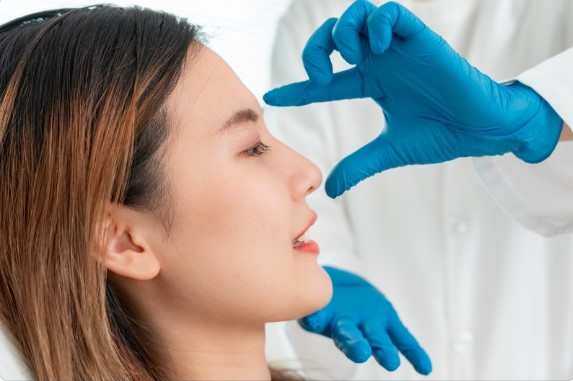
Understanding the rhinoplasty recovery process is essential for anyone planning nose reshaping surgery, especially in a fast-paced, image-conscious city like Dubai. Recovery is not just about healing—it directly affects the final aesthetic outcome and overall satisfaction. For individuals exploring options such as Rhinoplasty Dubai, knowing what to expect at each stage helps set realistic expectations. Clinics like Dynamic Clinic in Dubai often emphasize patient education to ensure a smooth post-operative journey and optimal results.
Immediate Post-Surgery Phase (First 24–72 Hours)
The first few days after rhinoplasty are focused on rest and stabilization. Patients typically experience swelling, mild discomfort, and nasal congestion. A splint is usually placed on the nose to support its new shape and protect delicate tissues.
During this stage, it’s common to notice:
- Swelling around the nose and under the eyes
- Minor bruising
- A feeling of pressure rather than sharp pain
- Limited breathing through the nose
Proper aftercare plays a key role in minimizing complications. Keeping the head elevated, using cold compresses as advised, and strictly following post-operative instructions can significantly improve comfort levels.
First Week: Managing Swelling and Initial Healing
By the end of the first week, the body begins its natural healing response more actively. Swelling and bruising may still be visible but often start to subside gradually. Most patients return for a follow-up visit during this period to have the splint removed.
Key considerations during this phase include:
- Avoiding strenuous activities
- Refraining from touching or adjusting the nose
- Maintaining a gentle skincare routine
- Staying hydrated and following a balanced diet
The removal of the splint is often a milestone moment, giving patients their first glimpse of the reshaped nose, though it is not the final result.
Weeks Two to Four: Visible Improvement
As the recovery progresses into the second and third weeks, noticeable improvements occur. Bruising typically fades, and swelling continues to decrease, especially around the eyes and cheeks. Many individuals feel confident returning to social and professional activities.
However, subtle swelling in the nasal tip may persist. This is a normal part of the healing process and should not be mistaken for the final outcome.
During this stage:
- Light physical activity may be resumed
- Glasses should still be avoided or worn carefully
- Sun exposure should be minimized to prevent discoloration
Patience becomes important, as the nose continues to refine internally even when external healing seems complete.
One to Three Months: Refinement Phase
The rhinoplasty recovery process enters a more refined stage after the first month. While most visible swelling subsides, deeper tissues are still healing. The nose gradually begins to settle into its new contour.
Changes during this phase include:
- Improved nasal definition
- Better breathing function (if corrected surgically)
- Gradual softening of tissues
It’s important to avoid any trauma to the nose during this period. Even minor impacts can affect the final result due to ongoing internal healing.
Long-Term Healing (Three Months to One Year)
Rhinoplasty is unique in that full results can take up to a year or longer to fully appear. The nasal tip, in particular, is the last area to refine. Skin thickness, individual healing ability, and surgical technique all influence the final outcome.
Long-term recovery involves:
- Continued reduction of residual swelling
- Stabilization of nasal structure
- Final shaping and contour definition
Patients often notice subtle improvements over time, which contribute to a natural and harmonious facial appearance.
Factors That Influence Recovery Time
Not every rhinoplasty recovery process is identical. Several factors can impact how quickly and smoothly a person heals:
- Skin type and thickness: Thicker skin may take longer to adapt to the new structure
- Surgical technique: Open and closed rhinoplasty methods can affect recovery duration
- Lifestyle habits: Smoking, poor diet, and lack of rest can slow healing
- Adherence to aftercare: Following medical guidance is critical for optimal results
Understanding these variables helps patients remain realistic and proactive during recovery.
Tips for a Smoother Recovery Experience
While healing is largely biological, certain practices can support a more comfortable and efficient recovery:
- Sleep with your head elevated to reduce swelling
- Avoid salty foods that may increase fluid retention
- Stay consistent with prescribed medications
- Protect your nose from accidental bumps or pressure
- Attend all follow-up appointments
These small yet impactful habits can make a noticeable difference in the overall healing experience.
Emotional Aspects of Recovery
The rhinoplasty recovery process is not purely physical. Emotional fluctuations are common as patients adjust to temporary swelling and evolving results. It’s normal to feel impatient or uncertain during the early weeks.
Maintaining a positive mindset involves:
- Understanding that healing takes time
- Avoiding constant mirror checking
- Trusting the gradual transformation process
Support from professionals and a clear understanding of recovery timelines can ease concerns and build confidence.
When to Seek Medical Advice
While most recoveries are straightforward, certain symptoms should not be ignored. Prompt communication with a qualified professional ensures safety and peace of mind.
Watch for:
- Persistent or worsening pain
- Unusual swelling or redness
- Signs of infection such as fever
- Difficulty breathing beyond expected congestion
Early intervention can prevent complications and keep the recovery process on track.
Conclusion
The rhinoplasty recovery process is a gradual journey that unfolds over weeks and months, requiring patience, care, and realistic expectations. From the initial swelling to the final refined results, each stage plays a crucial role in achieving a balanced and natural look. For individuals considering Rhinoplasty Dubai, understanding recovery timelines and following proper aftercare guidelines can significantly enhance both the experience and the outcome.