Best Grout Cleaner Machine or Steam Cleaner for Deep Tile and Floor Cleaning
Posted by Jack Martin
563 views
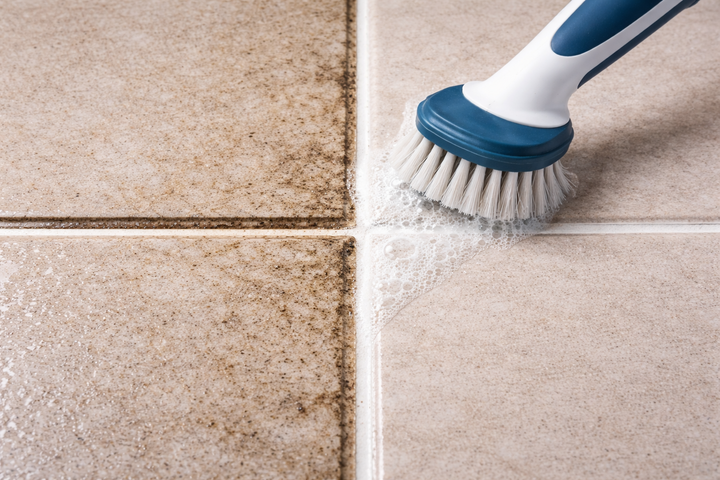
Tile floors and walls can look beautiful for years, but grout lines often tell a different story. Over time, grout collects dirt, grease, mold, and bacteria that regular mopping cannot remove. I realized this while testing several cleaning methods at home. No matter how much I scrubbed, the grout still looked dull and dark.
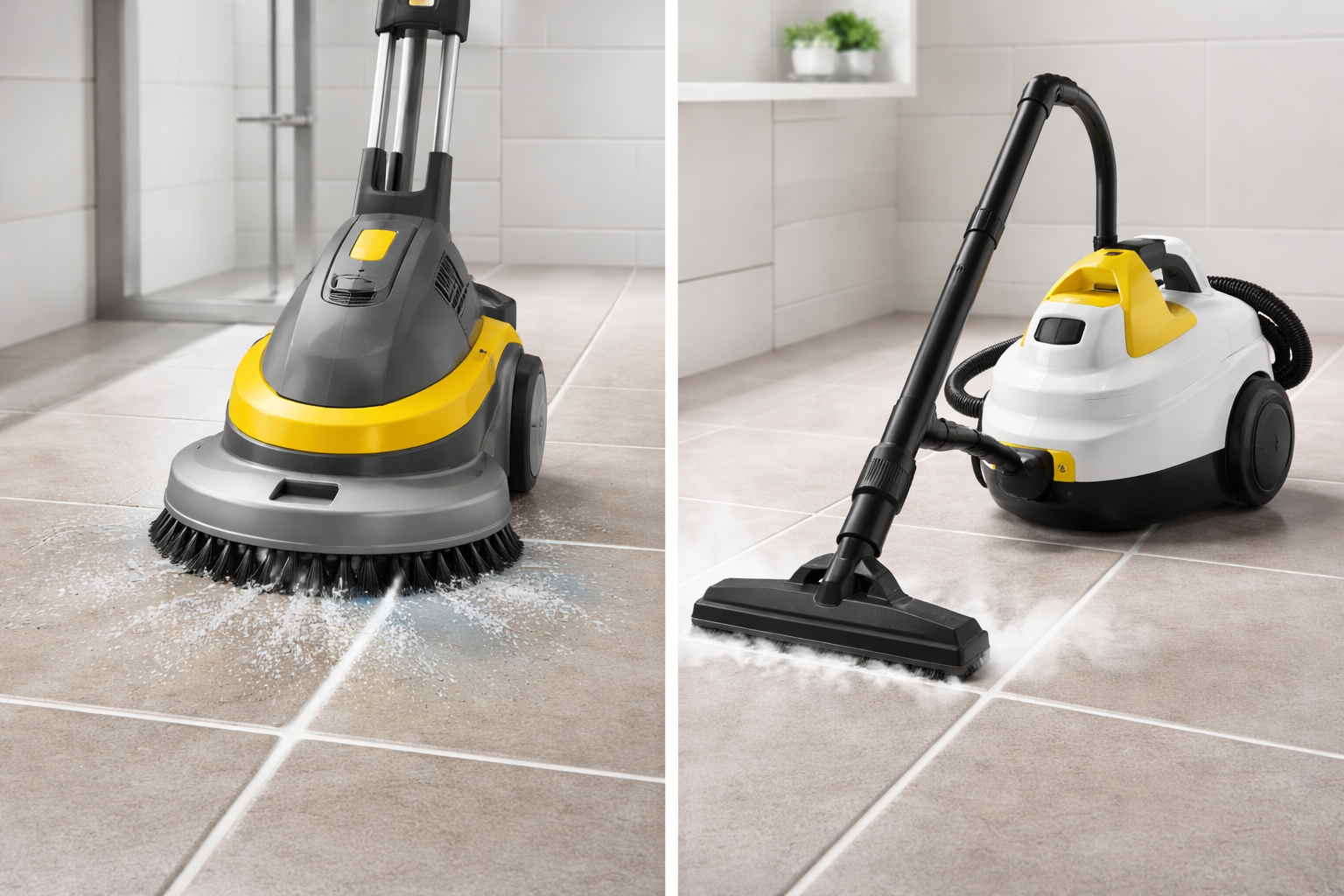
That’s when I decided to test a to see if they actually make a difference. The results surprised me. With the right tool and technique, even old grout can look dramatically better.
In this guide, I’ll share my experience testing different cleaning approaches and explain why a grout cleaner machine or steam cleaner can be one of the most effective tools for deep tile cleaning.
Why Grout Gets So Dirty Over Time
Before talking about machines and steam cleaners, it’s important to understand why grout becomes dirty so easily.
Grout is naturally porous, which means it absorbs moisture, dirt, and oils. Unlike smooth tile surfaces, grout lines trap debris inside tiny pores. That’s why basic floor mopping rarely cleans grout completely.
In my own testing, I noticed that several factors contribute to grout discoloration:
-
Foot traffic on tile floors
-
Grease buildup in kitchen tiles
-
Soap residue in bathrooms
-
Moisture and mold growth
-
Dust settling into grout lines
Once grime penetrates the grout surface, manual scrubbing becomes difficult. That’s where specialized tools like grout cleaner machines and steam cleaners become extremely useful.
What Is a Grout Cleaner Machine?
A grout cleaner machine is a specialized cleaning tool designed to remove dirt from tile grout using rotating brushes, pressure, or steam.
Unlike traditional scrubbing with a brush, these machines apply consistent pressure and movement that lifts dirt from deep inside grout lines.
Key Features of Grout Cleaning Machines
Most grout cleaning machines include features such as:
-
Rotating or oscillating brushes
-
High-pressure cleaning power
-
Water or steam injection
-
Adjustable cleaning heads
When I tested a grout cleaning machine for the first time, I noticed it removed grime much faster than manual scrubbing. Areas that previously took 20 minutes to clean were finished in just a few minutes.
What Is a Steam Cleaner for Grout?
A steam cleaner uses high-temperature steam to loosen dirt, grease, and bacteria trapped in grout lines.
Instead of chemicals, steam cleaners rely on heat and pressure to break down stubborn stains. This makes them a popular option for people who prefer chemical-free cleaning.
How Steam Cleaning Works
Steam cleaners heat water to produce pressurized steam. When directed at grout lines, the steam:
-
Softens hardened dirt
-
Breaks down grease and soap residue
-
Kills bacteria and mold
-
Loosens debris for easy wiping
When I tested a steam cleaner on my bathroom tiles, I noticed the steam penetrated grout pores effectively. After wiping the area with a cloth, the grout looked noticeably lighter.
Grout Cleaner Machine vs Steam Cleaner
Both tools can produce impressive results, but they work in slightly different ways.
Grout Cleaner Machine Benefits
Grout cleaning machines are ideal for heavy-duty cleaning tasks, especially on large tile floors.
Advantages include:
-
Faster cleaning for large surfaces
-
Powerful brush scrubbing
-
Effective for deeply embedded grime
-
Suitable for commercial or professional cleaning
During my testing, machines with rotating brushes worked particularly well on kitchen floors with grease buildup.
Steam Cleaner Benefits
Steam cleaners are often preferred for sanitizing and chemical-free cleaning.
Advantages include:
-
No harsh chemicals required
-
Kills bacteria with heat
-
Great for bathrooms and kitchens
-
Safe for many tile surfaces
For smaller areas like shower tiles or backsplashes, I found steam cleaners easier to control and maneuver.
My Tested Method for Deep Grout Cleaning
After experimenting with both machines and steam cleaners, I developed a simple routine that works well for most tile surfaces.
Step 1: Remove Surface Dirt
Before deep cleaning grout, I always vacuum or sweep the tile floor. This removes loose debris that could interfere with cleaning.
Step 2: Apply a Grout Cleaner Solution
Although steam cleaners can work without chemicals, applying a mild grout cleaner solution can help loosen stubborn stains.
I typically allow the cleaner to sit for a few minutes so it penetrates the grout.
Step 3: Use the Machine or Steam Cleaner
Next, I run the grout cleaner machine or steam cleaner along the grout lines. The rotating brushes or steam pressure begin lifting the dirt immediately.
This step is where the biggest transformation happens.
Step 4: Wipe and Rinse
After cleaning, I wipe the area with a microfiber cloth or mop. This removes the loosened dirt and leftover cleaning solution.
When done correctly, grout lines often look significantly brighter.
Where Steam Grout Cleaners Work Best
During my cleaning tests, I found that steam grout cleaners perform especially well in certain areas of the home.
Bathroom Tiles
Bathrooms tend to accumulate soap residue and mold due to humidity. Steam cleaning helps break down these deposits effectively.
Kitchen Backsplashes
Grease splashes from cooking can darken grout lines behind stoves. Steam cleaners soften grease, making it easier to wipe away.
Tile Floors
For tile floors, a grout cleaner machine may work faster, but steam cleaners are still useful for smaller sections or touch-ups.
Tips for Getting the Best Results
While testing different cleaning tools, I discovered a few practical tips that can improve results significantly.
Use the Right Brush Attachment
Many machines and steam cleaners come with different brush heads. Narrow brushes work best for grout lines.
Clean Grout Regularly
Waiting too long between cleanings allows grime to build up deeper in the grout. Monthly deep cleaning helps prevent severe discoloration.
Avoid Excess Water
Too much water can push dirt deeper into grout pores. Steam cleaning or controlled moisture works better.
Seal Grout After Cleaning
Applying a grout sealer after cleaning helps protect the grout from future stains.
Signs You Need a Grout Cleaner Machine
Sometimes it’s obvious when grout needs deeper cleaning. During my tests, I noticed several common warning signs.
-
Grout lines turning dark or yellow
-
Floors looking dull even after mopping
-
Mold spots appearing in bathrooms
-
Kitchen tiles showing grease buildup
When these signs appear, a grout cleaner machine or steam cleaner can restore the appearance of your tile surfaces.
Maintaining Clean Grout in the Long Term
Deep cleaning is important, but maintaining grout between cleaning sessions also helps preserve its appearance.
Here are a few habits that helped keep my grout cleaner longer.
Clean Spills Quickly
Food spills and soap residue can stain grout quickly. Wiping them early prevents permanent marks.
Use Microfiber Mops
Microfiber tools capture dirt instead of pushing it into grout lines.
Ventilate Bathrooms
Reducing humidity prevents mold growth in grout.
Schedule Regular Deep Cleaning
Using a grout cleaner machine or steam cleaner every few weeks prevents severe buildup.
Final Thoughts
After testing multiple cleaning tools and techniques, I found that grout cleaner machines and steam cleaners are among the most effective solutions for deep tile cleaning. They remove dirt that traditional mopping simply cannot reach.
While grout cleaning may seem like a small detail, it can dramatically improve the appearance of your floors, bathrooms, and kitchen tiles. When grout lines are clean, the entire room feels brighter and more hygienic.
If you want professional-level results at home, investing in a grout cleaner machine or steam cleaner can make the process faster, easier, and far more effective.
Frequently Asked Questions
How often should grout be deep cleaned?
For most homes, grout should be deep cleaned every 3 to 4 weeks in high-traffic areas like kitchens and bathrooms.
Is a steam cleaner safe for tile grout?
Yes, steam cleaners are generally safe for sealed grout and tile surfaces. They clean effectively without harsh chemicals.
Do grout cleaner machines work better than manual scrubbing?
In most cases, yes. Machines provide consistent pressure and rotating brushes that remove dirt faster than hand scrubbing.
Can steam cleaners remove mold from grout?
Steam cleaners can help loosen mold and kill bacteria with heat, making mold easier to remove from grout lines.
What is the best way to maintain clean grout?
Regular sweeping, quick spill cleanup, proper ventilation, and periodic deep cleaning with a grout cleaner machine or steam cleaner will help keep grout looking fresh.