Epoxy Grout or Silicone Grout? A Complete Comparison Guide(2026)
Posted by Jack Martin
801 views
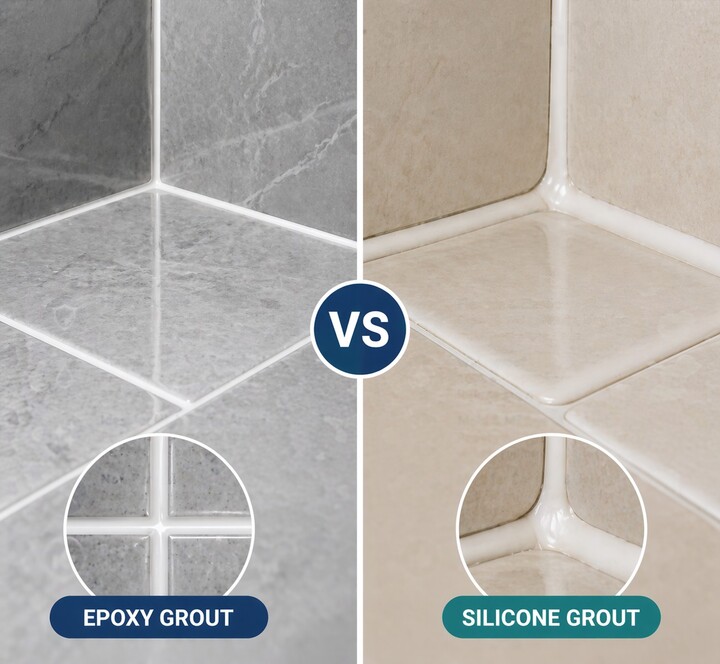
When it comes to sealing joints and finishing tiled surfaces, choosing the right material can make a big difference in durability, appearance, and maintenance. Many people get confused between epoxy grout and silicone grout, assuming they serve the same purpose. In reality, they are quite different in composition and use.
In this guide, we’ll break down the key differences in silicone vs epoxy grout, where each works best, and how to choose the right one for your project.
What Is Epoxy Grout?
Epoxy grout is a high-performance grout made from epoxy resins and hardeners mixed with filler powder. Unlike traditional cement-based grout, it is non-porous, highly durable, and resistant to stains and chemicals.
Key Features of Epoxy Grout
-
Strong and long-lasting
-
Waterproof and stain-resistant
-
Resistant to chemicals and harsh cleaners
-
Does not crack easily
-
Ideal for high-traffic areas
Because of these qualities, epoxy grout is often used in kitchens, bathrooms, commercial spaces, and even industrial settings.
What Is Silicone Grout?
Silicone grout (more accurately called silicone sealant) is a flexible, rubber-like material used to seal joints rather than fill tile gaps. It is designed to handle movement and prevent water from seeping into gaps where tiles meet different surfaces.
Key Features of Silicone Grout
-
Highly flexible and elastic
-
Excellent waterproofing
-
Resistant to mold and mildew
-
Ideal for expansion joints
-
Easy to apply in small areas
Silicone grout is typically used around sinks, bathtubs, corners, and edges where movement is expected.
Silicone vs Epoxy Grout: Key Differences
Understanding the difference between these two materials is essential for proper application.
1. Purpose and Use
-
Epoxy grout is used to fill tile joints between tiles.
-
Silicone grout is used for sealing gaps and joints where flexibility is required.
👉 In simple terms: epoxy is for filling, silicone is for sealing.
2. Durability
-
Epoxy grout is extremely durable and can last for many years without damage.
-
Silicone grout is durable in its own way but is softer and more flexible.
👉 For heavy wear areas, epoxy grout is the better choice.
3. Flexibility
-
Epoxy grout is rigid once cured.
-
Silicone grout remains flexible and can expand or contract.
👉 For areas with movement (like corners or joints), silicone grout is essential.
4. Water Resistance
-
Both materials are water-resistant.
-
Epoxy grout is completely non-porous.
-
Silicone grout provides a watertight seal in joints.
👉 For wet areas like bathrooms, both are often used together.
5. Ease of Application
-
Epoxy grout is harder to install and requires careful mixing and application.
-
Silicone grout is easier to apply using a caulking gun.
👉 Beginners may find silicone easier to handle.
6. Maintenance
-
Epoxy grout is low maintenance and resists stains.
-
Silicone grout may need replacement over time, especially in high-moisture areas.
Where to Use Epoxy Grout
Epoxy grout is best suited for:
-
Floor tiles in kitchens and bathrooms
-
High-traffic areas
-
Commercial spaces
-
Areas exposed to stains (like countertops)
-
Swimming pools and wet environments
Its strength and stain resistance make it ideal where durability is a priority.
Where to Use Silicone Grout
Silicone grout works best in:
-
Corners of tiled walls
-
Around sinks and bathtubs
-
Expansion joints
-
Areas where tiles meet different materials
-
Shower edges and glass enclosures
It prevents cracking by absorbing movement.
Can You Use Epoxy and Silicone Together?
Yes, and in most cases, you should.
In a typical tiling project:
-
Use epoxy grout between tiles
-
Use silicone grout in corners, edges, and joints
This combination ensures both strength and flexibility where needed.
Pros and Cons
Epoxy Grout
Pros
-
Extremely durable
-
Waterproof and stain-resistant
-
Long lifespan
-
Ideal for heavy use
Cons
-
Expensive
-
Difficult to apply
-
Requires quick handling before it hardens
Silicone Grout
Pros
-
Flexible and crack-resistant
-
Easy to apply
-
Excellent sealing properties
-
Good for wet areas
Cons
-
Not suitable for filling tile joints
-
May need replacement over time
-
Less durable under heavy wear
Cost Comparison
-
Epoxy grout is generally more expensive due to its advanced properties.
-
Silicone grout is more affordable and used in smaller quantities.
However, epoxy grout can save money in the long run because it requires less maintenance.
Which One Should You Choose?
Choosing between epoxy and silicone grout depends on your needs:
-
Choose epoxy grout if you want strength, durability, and stain resistance.
-
Choose silicone grout if you need flexibility and waterproof sealing.
In most cases, the best solution is not choosing one over the other—but using both correctly.
Common Mistakes to Avoid
-
Using silicone grout between tiles (it won’t hold properly)
-
Using epoxy grout in corners (it may crack due to lack of flexibility)
-
Skipping silicone in wet areas (can lead to leaks)
-
Not cleaning epoxy grout properly during installation
Avoiding these mistakes can save time and costly repairs.
FAQs
1. Is epoxy grout better than silicone grout?
Not exactly. Epoxy grout and silicone grout serve different purposes. Epoxy is better for tile joints, while silicone is better for flexible sealing.
2. Can I replace grout with silicone?
No, silicone should not replace grout between tiles. It is only meant for joints and edges.
3. Does epoxy grout crack?
Epoxy grout is very strong and resistant to cracking, but it can crack if used in areas with movement.
4. How long does silicone grout last?
Silicone grout can last 5–10 years, depending on moisture exposure and maintenance.
5. Is epoxy grout waterproof?
Yes, epoxy grout is completely waterproof and non-porous.
6. Where should I use silicone instead of epoxy?
Use silicone in corners, edges, and joints where flexibility is needed.
Final Thoughts
Understanding the difference between silicone vs epoxy grout is key to achieving a long-lasting and professional finish. While epoxy grout offers strength and durability, silicone grout provides flexibility and protection in critical joints.
For best results, use both materials where they perform best. This balanced approach ensures your tiled surfaces stay strong, waterproof, and visually appealing for years to come.