Grout Cleaner Hacks Every U.S. Homeowner Should Know
Posted by Jack Martin
Filed in Family & Home 404 views
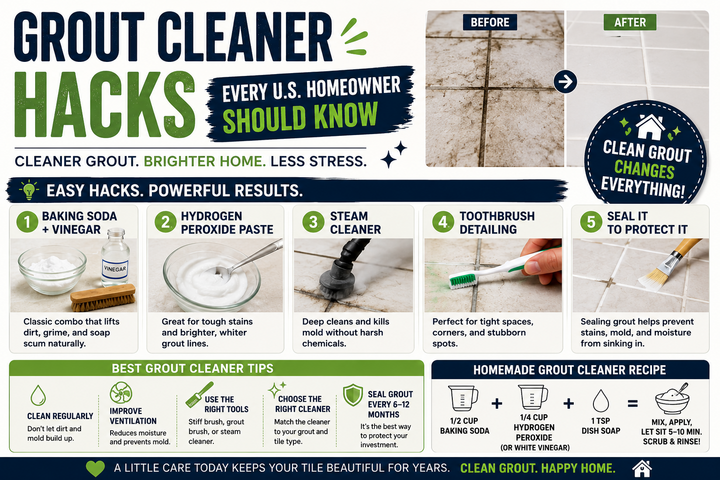
Dirty grout can make even a clean bathroom or kitchen look old, stained, and neglected. No matter how beautiful your tile floors or shower walls may be, dark grout lines instantly attract attention and make the entire space appear less hygienic. Many homeowners spend hours cleaning tile surfaces while forgetting that grout is usually the area trapping the most dirt, grease, soap scum, moisture, and bacteria. Because grout is naturally porous, it absorbs contaminants much faster than tile, which is why discoloration often appears sooner than expected. Finding the right grout cleaner and using proper cleaning methods can completely transform the appearance of your home without expensive remodeling or professional restoration services.
The good news is that restoring dirty grout is often easier than people think. With the right cleaning hacks, tools, and maintenance habits, homeowners can remove stubborn stains, mildew, mold, and years of buildup themselves. Whether you are dealing with bathroom grout that has turned black from moisture or kitchen grout stained by grease and food spills, understanding how grout works is the first step toward keeping tile surfaces looking fresh and bright. In this guide, you’ll discover practical grout cleaner hacks, common mistakes homeowners make, and smart cleaning strategies that actually work in real homes across the United States.
Why Grout Gets Dirty So Fast
One of the biggest reasons grout becomes dirty so quickly is because it is highly porous. Unlike smooth tile surfaces that resist moisture and dirt, grout absorbs liquids, oils, soap residue, and bacteria deep below the surface. This makes grout lines much harder to clean than the tile itself. Bathrooms and kitchens are especially vulnerable because they experience constant humidity, water exposure, grease, and heavy daily use. Even newly installed grout can begin looking dull or discolored within months if it is not sealed or maintained properly.
Several factors contribute to dirty grout, including poor ventilation, standing moisture, lack of sealing, heavy foot traffic, and using the wrong cleaning products. Many homeowners also unknowingly spread dirt into grout lines while mopping floors with dirty water. Over time, grime settles deep into the grout pores, making regular surface cleaning ineffective. This is why grout often requires deeper cleaning methods compared to ordinary tile maintenance.
The Biggest Grout Cleaning Mistake Homeowners Make
One of the most common mistakes homeowners make is relying too heavily on bleach. While bleach may temporarily whiten grout and remove surface stains, excessive use can slowly weaken grout lines and damage protective sealants. Over time, bleach may even cause uneven discoloration or make grout more brittle. Another major mistake is scrubbing aggressively with steel brushes or abrasive tools. Although homeowners often believe harder scrubbing equals better cleaning, harsh tools can erode grout and scratch nearby tile surfaces.
Instead of using excessive force, it is much safer and more effective to combine a quality grout cleaner with proper cleaning tools such as nylon grout brushes or soft scrub pads. Gentle but consistent cleaning usually delivers better long-term results than aggressive scrubbing methods that damage grout over time.
Best Homemade Grout Cleaner Hacks
Many homeowners prefer trying homemade grout cleaning solutions before purchasing expensive commercial products. Fortunately, several DIY methods work surprisingly well for light stains, soap buildup, and mild mildew problems. Homemade cleaners are affordable, easy to prepare, and often use ingredients already available in most kitchens.
Baking Soda and Vinegar Method
One of the most popular grout cleaning hacks involves baking soda and white vinegar. This method works well because baking soda helps lift dirt while vinegar breaks down grime and soap residue. To use this method, sprinkle baking soda directly onto the grout lines and spray white vinegar over the area. Allow the mixture to bubble for several minutes before gently scrubbing with a grout brush and rinsing with warm water.
This cleaning hack can help remove:
-
Soap scum
-
Mild mildew
-
Surface stains
-
Light discoloration
However, homeowners should avoid excessive vinegar use on natural stone surfaces because acidic cleaners may damage certain types of stone tile.
Hydrogen Peroxide Paste
For tougher grout stains, especially in bathrooms, hydrogen peroxide can be extremely effective. Mixing hydrogen peroxide with baking soda and a small amount of dish soap creates a powerful cleaning paste that penetrates deep into grout pores. Apply the paste directly onto stained grout lines, allow it to sit for several minutes, then scrub gently before rinsing.
This method works especially well for:
-
Yellowed white grout
-
Gray discoloration
-
Mild mold stains
-
Shower grout buildup
Many homeowners are surprised by how much brighter grout appears after using this simple homemade solution.
Store-Bought Grout Cleaner: Is It Worth It?
Although DIY methods work well for moderate stains, some grout problems require stronger commercial products. A professional-grade grout cleaner may be necessary when dealing with deep mold stains, greasy kitchen grout, black mildew spots, or years of neglected buildup. Commercial cleaners are often formulated with oxygen bleach, alkaline cleaning agents, mold-fighting ingredients, and penetrating stain removers that reach deeper into grout pores than homemade solutions.
When shopping for grout cleaners, homeowners should avoid products promising instant results without scrubbing. Most grout still requires some brushing or agitation for proper cleaning. Reading product labels carefully is important because some cleaners are designed specifically for bathrooms while others target grease-heavy kitchen surfaces.
The Secret Tool Most People Forget
Many homeowners focus entirely on cleaning solutions while ignoring the importance of proper brushes and tools. In reality, the right grout brush can dramatically improve cleaning results. Brushes with stiff nylon bristles are ideal because they clean effectively without damaging grout or scratching tile surfaces. Narrow brush heads also help reach tight grout lines more easily.
Electric scrubbers have become increasingly popular because they reduce physical effort and provide more consistent cleaning pressure. However, steel brushes should always be avoided because they can permanently damage grout and tile finishes.
Helpful grout cleaning tools include:
-
Nylon grout brushes
-
Electric scrubbers
-
Soft scrub pads
-
Steam cleaners
-
Microfiber cloths
Using the correct tools often makes grout cleaning faster and more effective.
How Often Should You Clean Grout?
Most experts recommend deep-cleaning grout every few months, although frequency depends heavily on the location and moisture exposure. Shower grout and bathroom floors usually require more frequent cleaning because they remain damp for long periods. Kitchen grout may also need regular maintenance due to grease and food spills.
High-moisture areas include:
-
Shower walls
-
Bathroom floors
-
Bathtub surrounds
-
Laundry rooms
Lower-moisture areas include:
-
Kitchen backsplashes
-
Decorative wall tile
-
Guest bathrooms
Regular maintenance prevents stains from becoming deeply embedded and reduces the need for aggressive cleaning later.
Why Grout Sealing Matters
One of the biggest reasons grout becomes dirty quickly is because many homeowners skip sealing altogether. Grout sealers create a protective barrier that helps prevent moisture, dirt, grease, and bacteria from penetrating the grout surface. Without sealant, grout behaves almost like a sponge, absorbing contaminants every day.
Sealing grout helps protect against:
-
Water absorption
-
Mold growth
-
Dirt buildup
-
Food stains
-
Soap residue
After using a grout cleaner and restoring grout color, applying a fresh sealer can significantly extend cleanliness and reduce future maintenance.
Signs Your Grout Needs More Than Cleaning
Sometimes grout problems go beyond ordinary dirt and stains. If grout begins crumbling, feels soft, develops persistent mold odors, or shows missing sections, cleaning alone may not solve the issue. Water leaks behind tile surfaces can also cause grout deterioration over time.
Warning signs include:
-
Cracked grout
-
Missing grout sections
-
Persistent mildew smell
-
Water damage
-
Loose tiles
In these situations, homeowners may need professional regrouting or tile repair instead of simple cleaning.
Bathroom Grout Cleaner Tips That Actually Work
Bathroom grout faces constant moisture exposure, making mold and mildew common problems in many U.S. homes. Preventive maintenance is often easier than deep cleaning later. Running exhaust fans after showers, wiping down wet surfaces, and improving airflow can dramatically reduce moisture buildup.
Helpful bathroom habits include:
-
Drying shower walls after use
-
Leaving shower doors open
-
Cleaning stains quickly
-
Improving ventilation
-
Using mold-resistant grout cleaner regularly
Small daily habits can prevent major grout cleaning problems later.
Kitchen Grout Cleaning Hacks
Kitchen grout often collects grease and food residue much faster than homeowners realize. Dirty mop water can also spread grease into grout lines instead of removing it. Sweeping floors before mopping and using warm water with degreasing cleaners helps improve results significantly.
Kitchen grout maintenance tips include:
-
Spot-clean spills immediately
-
Avoid dirty mop water
-
Use degreasing cleaners
-
Sweep before mopping
-
Deep-clean grout regularly
Greasy grout usually requires stronger cleaning products than ordinary bathroom soap residue.
Steam Cleaning: Is It Good for Grout?
Steam cleaners have become extremely popular because they provide chemical-free cleaning while penetrating deep into grout pores. Steam helps loosen dirt, kill some bacteria, and remove stubborn grime without harsh chemicals. Many homeowners appreciate steam cleaning because it reduces the need for strong cleaning agents.
However, steam cleaning is not ideal for damaged grout. Weak or cracked grout may deteriorate faster under intense heat and pressure. Always test a small area first before steam-cleaning large sections of tile.
Why Does Grout Turn Black So Fast?
Many homeowners are shocked by how quickly grout darkens even after cleaning. The reason is simple: grout traps contaminants below the surface where ordinary cleaning cannot easily reach. Moisture, oils, soap residue, bacteria, and mold spores settle deep inside grout pores over time.
Even when tile appears clean, grout may still contain:
-
Hidden moisture
-
Soap buildup
-
Mold spores
-
Oils and grease
-
Bacteria
This explains why grout often requires deeper cleaning methods than tile surfaces themselves.
White Grout vs Dark Grout: Which Is Easier to Maintain?
White grout remains popular because it creates a bright, modern appearance, especially in bathrooms and kitchens. However, white grout stains much more easily than darker colors. Dark grout hides dirt better but may show soap residue, fading, or mineral deposits over time.
Many homeowners now prefer medium gray grout because it balances appearance and maintenance more effectively. Regardless of grout color, regular grout cleaner maintenance remains essential for keeping tile surfaces looking fresh.
Common Grout Cleaner Myths
There are many misconceptions about grout cleaning online. One common myth is that more bleach automatically means cleaner grout, when excessive bleach can actually weaken grout over time. Another myth is that grout never needs sealing, even though most grout benefits greatly from protective sealants.
Some homeowners also believe steam cleaning fixes every grout problem, but severe mold or damaged grout may still require repairs. Additionally, tile cleaners and grout cleaners are not always interchangeable because grout lines often need specialized cleaning formulas.
When to Call a Professional
DIY grout cleaning works well for many situations, but some problems require professional help. If mold repeatedly returns, grout remains heavily stained after cleaning, or water damage exists behind tile surfaces, professional restoration may be necessary. Large tile floors and deteriorating grout can also be difficult for homeowners to restore properly without specialized equipment.
Professional cleaners often use industrial-grade tools and extraction systems that clean much deeper than ordinary household products.
Final Thoughts
Keeping grout clean does not have to feel overwhelming. With the right grout cleaner, proper tools, and consistent maintenance habits, homeowners can restore dirty grout and keep tile surfaces looking bright for years. Whether you choose homemade cleaning solutions, commercial products, or steam cleaning methods, regular maintenance is the key to preventing severe buildup and expensive repairs.
The biggest secret to successful grout care is not waiting until stains become permanent. Small cleaning habits today can save hours of scrubbing later while helping bathrooms, kitchens, and tile floors maintain a cleaner, fresher appearance throughout the home.