Artistic Integrity and Cultural Appreciation: Ethical Guidelines for the Modern Henna Artist
Posted by Training Tale
Filed in Arts & Culture 513 views
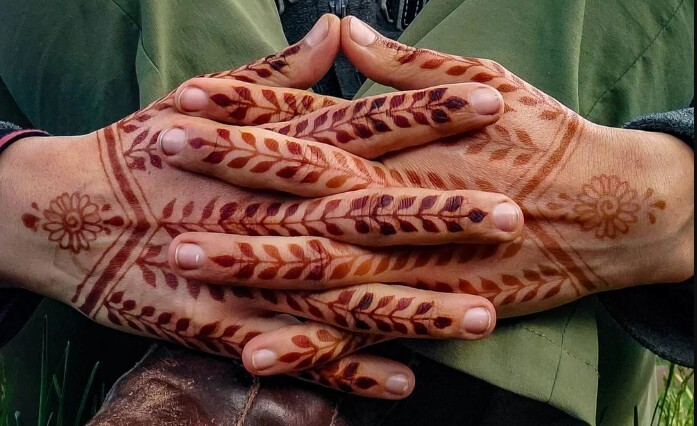
Henna, or Mehndi, is an ancient art form with roots stretching across North Africa, the Middle East, and South Asia. In today’s globalized world, artists have unprecedented access to various regional styles, from the intricate, lace-like patterns of the Gulf to the bold, geometric motifs of the Amazigh people. However, this accessibility brings a significant ethical responsibility. When an artist decides to blend motifs from multiple cultural henna traditions, they must do so with a foundation of deep respect and historical knowledge. This isn't merely about aesthetics; it is about honoring the sacred ceremonies and societal symbols that these patterns represent.
Navigating the Thin Line Between Appreciation and Appropriation
The primary ethical guideline for any artist is to distinguish between cultural appreciation and cultural appropriation. Appreciation involves a sincere effort to understand the history and meaning behind a specific motif before incorporating it into one's repertoire. Appropriation, conversely, involves stripping a symbol of its context for purely decorative or commercial gain. When blending styles, an artist should be transparent with their clients about the origins of the designs. For instance, if an artist combines a traditional Indian peacock with Moroccan "khamsa" geometry, they should be able to explain the significance of both. This level of transparency builds trust and elevates the art form.
Honoring Sacred Symbols and Ritual Contexts
Many henna motifs are not just decorative; they are deeply tied to specific life milestones, such as weddings, births, and religious festivals. Ethical guidelines suggest that certain symbols should only be used in their appropriate contexts. For example, some patterns are traditionally reserved for bridal protection or fertility blessings. A responsible artist researches these meanings to avoid using a sacred symbol in a casual or disrespectful manner. By understanding the "language" of henna, the artist can create custom designs that tell a story without violating cultural taboos. This level of expertise is often a key learning outcome in a professional henna course, where the curriculum covers the anthropological history of Mehndi alongside the physical application techniques.
The Ethics of Informed Consent and Client Consultation
The relationship between a henna artist and their client is an intimate one, often lasting several hours. Ethical practice dictates that the artist should guide the client toward choices that are respectful of the tradition. If a client requests a design that merges conflicting cultural symbols in a way that might be seen as offensive, it is the artist's duty to provide education and alternative suggestions. This consultation process is an art in itself. It requires the artist to be a teacher and a historian as much as a technician.
Sustainability and Safety as Ethical Imperatives
Beyond the visual motifs, ethical henna artistry extends to the materials used. The use of "Black Henna" (which contains harmful PPD chemicals) is a major ethical violation in the industry because it poses significant health risks to the client. An ethical artist only uses natural, hand-mixed henna paste and is transparent about their ingredients. This commitment to safety is a form of respect for the client’s well-being and the integrity of the natural plant medicine. Learning how to source high-quality powder and mix safe, long-lasting paste is an essential component of any reputable henna course. By prioritizing safety, artists contribute to a global standard of excellence that protects the reputation of the ancient tradition they represent.
Conclusion: Crafting a Respectful Future for Mehndi
The future of henna artistry depends on the ability of modern practitioners to innovate while remaining tethered to tradition. Blending cultural motifs can be a beautiful way to celebrate human connection, provided it is done with a spirit of humility and continuous learning. By adhering to strict ethical guidelines and pursuing formal education, artists can ensure that their work contributes to the preservation rather than the dilution of these ancient cultures.