When Can Children Have Ear Reshaping Surgery in Dubai?
Posted by analpha girl
Filed in Health 134 views
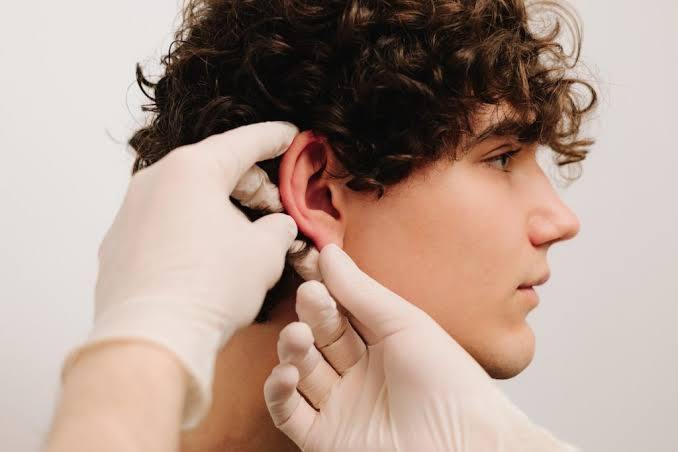
Ear appearance can become an important concern for children as they grow, especially when the ears seem more prominent or different in shape compared with their facial features. For families considering Ear Reshaping Surgery in Dubai, understanding the appropriate age is an important first step. Ear reshaping, also known as otoplasty, is generally considered once the ears have reached sufficient development, which commonly happens around the age of five or six. At this stage, the ear cartilage has developed enough to allow reshaping while remaining flexible. The decision, however, depends on the individual child's physical development, emotional readiness, and overall circumstances.
What Is Ear Reshaping Surgery?
Ear reshaping is a cosmetic procedure designed to change the position, size, shape, or proportion of the ears. It is commonly considered when the ears appear more prominent than desired or when their shape creates noticeable asymmetry.
The procedure focuses on creating a more balanced relationship between the ears and the rest of the face. Depending on the child's needs, ear reshaping may involve carefully modifying the cartilage and positioning the ears closer to the head.
The goal is not necessarily to create perfectly identical ears. Natural-looking symmetry and facial harmony are generally more important than complete uniformity.
What Is the Ideal Age for Children?
Around Five to Six Years
Children can often be considered for ear reshaping once the ears have reached a substantial portion of their adult size. This commonly occurs around five or six years of age.
At this point, the cartilage is developed enough for reshaping, while still being relatively flexible. Performing the procedure during childhood may also allow the child to address concerns before they become a significant part of their appearance-related worries.
Why Age Alone Is Not Enough
Although age provides a general guideline, it does not automatically determine whether a child is ready. Children develop at different rates, so physical maturity should be considered individually.
A child may need to demonstrate sufficient ear development and be comfortable with the idea of having a procedure. Family support and realistic expectations also play an important role.
Why Is Childhood Often Considered?
Prominent ears may attract unwanted attention from peers, particularly during school years. Some children become increasingly aware of differences in their appearance as they interact with classmates and participate in social activities.
Addressing ear prominence during childhood may help some children feel more comfortable with their appearance. It can also allow the change to become a natural part of their development rather than something they continue thinking about throughout adolescence.
However, the decision should always be centered on the child's well-being rather than pressure from family members or others.
How Can Parents Know If a Child Is Ready?
Physical Readiness
The ears should have developed sufficiently for reshaping to be considered. A qualified medical assessment can determine whether the child's ear structure is appropriate for the procedure.
Physical development is particularly important because the procedure involves working with the ear cartilage. Each child's anatomy is different, so an individual assessment is more useful than relying solely on age.
Emotional Readiness
Emotional readiness is equally important. A child should have a basic understanding of what the procedure involves and should not feel forced into the decision.
Children who independently express concern about prominent ears and understand why they are considering a change may be better prepared than children who are undergoing the procedure solely because their parents want a different appearance.
Family Support
Parental support can make the overall experience more comfortable. Children often feel more confident when their parents explain the process calmly and answer questions honestly.
A supportive environment can help the child understand that ear appearance is only one part of their overall identity and that the procedure is an optional personal decision.
What Concerns Can Ear Reshaping Address?
Ear reshaping can address several appearance-related concerns involving the outer ear.
Common reasons families may consider the procedure include:
- Ears that appear noticeably prominent
- Uneven positioning between the ears
- Certain differences in ear shape
- Aesthetic concerns involving ear proportions
- Cartilage shape that creates an unwanted appearance
- Concerns about how the ears complement the facial features
The exact approach depends on the child's anatomy and the specific appearance concern being addressed.
Can Younger Children Have Ear Reshaping?
Very young children are not automatically suitable candidates simply because their ears appear prominent. The timing should be based on physical development, emotional maturity, and individual circumstances.
In some situations, waiting until the child is older may be more appropriate. In other cases, the child may have adequate development and a strong personal desire to address the appearance earlier.
A proper evaluation helps determine whether the timing is suitable rather than relying on a fixed age for every child.
What Happens During the Evaluation?
Understanding the Child's Concerns
An evaluation typically begins by understanding why the child and family are considering ear reshaping. The child's own feelings can be especially important when determining whether the timing is appropriate.
Examining Ear Development
The ears are assessed for size, shape, position, symmetry, and cartilage development. This helps establish whether the ear structure is sufficiently developed for reshaping.
Discussing Expectations
Realistic expectations are essential. Children and parents should understand that the objective is generally improved proportion and balance rather than creating completely identical ears.
A clear discussion can also help children feel more comfortable with the decision and understand what they can reasonably expect from the process.
How Can Parents Prepare a Child?
Parents can make the experience easier by using simple, age-appropriate explanations. Children generally benefit from knowing what will happen without being overwhelmed by unnecessary details.
Parents can encourage children to ask questions and express concerns openly. It is also helpful to avoid presenting the procedure as something that must happen because the child's ears are "wrong."
Positive language can reinforce the idea that the procedure is an optional aesthetic choice intended to improve comfort with appearance.
Is Ear Reshaping Suitable for Every Child?
Not every child will be an appropriate candidate at the same age. Physical development, general readiness, expectations, and personal motivation all influence the decision.
A child who feels pressured may not be emotionally prepared, even if the ears have developed sufficiently. Similarly, a child who strongly wants a change may still need to wait if the ear structure has not developed enough.
For these reasons, individualized assessment remains an important part of deciding when ear reshaping should be considered.
Frequently Asked Questions
What is the youngest age commonly considered for ear reshaping?
Ear reshaping is commonly considered from around five or six years of age because the ears have generally developed sufficiently by this stage. Individual development can vary, so age should not be the only consideration.
Can teenagers have ear reshaping?
Yes, teenagers may also be considered for ear reshaping. The decision depends on their physical development, personal motivation, expectations, and overall suitability.
Should parents or children make the decision?
Ideally, the decision should involve both the parents and the child. Parents provide guidance and support, while the child's own feelings and willingness should be respected.
Does every child with prominent ears need surgery?
No. Prominent ears are a normal variation in appearance, and surgery is optional. It may be considered when a child or family has a genuine concern about ear appearance and the child is appropriately prepared.
When should parents seek an evaluation?
Parents can consider an evaluation when a child consistently expresses concern about ear appearance or when prominent ears become a persistent source of self-consciousness. An assessment can help determine whether the timing is appropriate.
Book Us
Families considering Ear Reshaping Surgery in Dubai can seek an individualized assessment to understand whether their child has reached an appropriate stage for ear reshaping and whether the procedure aligns with the child's needs and expectations. Enfield Royal Clinic Dubai can provide guidance through the evaluation process, helping families understand suitable timing and make an informed decision based on the child's development and comfort.