Facelift Surgery vs Neck Lift: What’s the Difference?
Posted by Enfield Oman
459 views
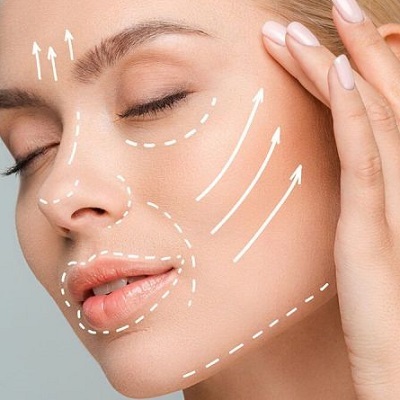
Aging is a natural process, but many people seek ways to maintain a youthful appearance. Two of the most common cosmetic procedures aimed at rejuvenation are Facelift Surgery and neck lift. While they are often mentioned together, these procedures target different areas and address distinct concerns. Understanding the differences between the two can help individuals make informed decisions about their aesthetic goals.
What is Facelift Surgery?
Facelift surgery, medically known as rhytidectomy, is designed to improve visible signs of aging in the face and jawline. Over time, the skin loses elasticity, fat pads in the cheeks descend, and deep lines form around the nose, mouth, and eyes. A facelift addresses these changes by tightening the underlying muscles and tissues, removing excess skin, and smoothing out wrinkles.
This procedure is particularly effective for individuals experiencing sagging cheeks, deep nasolabial folds (lines running from the nose to the mouth), jowls along the jawline, and overall facial drooping. While facelifts do not stop the aging process, they provide a more youthful contour and refreshed appearance that can last several years.
What is a Neck Lift?
A neck lift, or lower rhytidectomy, targets the neck and jawline rather than the upper or mid-face. It addresses loose or sagging skin, excess fat, and muscle banding in the neck area, often referred to as “turkey neck.”
A neck lift is ideal for individuals who are primarily concerned about the appearance of their neck rather than the face. The procedure can involve liposuction to remove excess fat, tightening of the neck muscles, and excision of loose skin to create a smooth, firm neck contour.
Key Differences Between Facelift Surgery and Neck Lift
Although facelift surgery and neck lift procedures can sometimes overlap, there are several key differences:
1. Target Area
-
Facelift Surgery: Primarily addresses the mid-to-lower face, including cheeks, jowls, and jawline.
-
Neck Lift: Focuses on the neck and under-chin area, often addressing sagging skin, fat accumulation, and muscle laxity.
2. Aging Concerns Addressed
-
Facelift Surgery: Effective for sagging cheeks, deep facial folds, and jowls. It also slightly improves jawline definition but does not directly target the neck.
-
Neck Lift: Specifically designed to correct loose neck skin, double chin, and muscle bands, providing a sleeker neckline.
3. Surgical Techniques
While both procedures involve lifting and tightening tissues, the techniques differ:
-
Facelift Surgery: Incisions are usually made around the hairline, ears, and sometimes under the chin. The underlying facial muscles are tightened, and excess skin is removed.
-
Neck Lift: Incisions are generally placed under the chin or behind the ears. The platysma muscle (neck muscle) may be tightened, and fat removal is common for improved contour.
4. Recovery and Downtime
Recovery times are similar but may vary depending on the extent of the procedure:
-
Facelift Surgery: Swelling and bruising may last two to three weeks, with most patients returning to normal activities in about 2–3 weeks.
-
Neck Lift: Recovery is slightly shorter in some cases, with swelling and bruising subsiding within one to two weeks. Patients are often able to resume daily activities sooner than after a full facelift.
5. Combination Procedures
Many individuals opt for a combined facelift and neck lift to achieve a harmonious and youthful appearance. Combining the procedures allows for comprehensive rejuvenation, addressing both sagging facial tissue and the neck simultaneously.
Who is an Ideal Candidate?
Choosing between a facelift or neck lift depends on individual concerns and anatomy.
-
Facelift Candidates: Those with sagging cheeks, deep smile lines, jowls, or overall facial drooping. Ideal candidates have good skin elasticity and are in generally good health.
-
Neck Lift Candidates: Those with loose neck skin, visible muscle bands, or excess fat under the chin. Candidates should have realistic expectations and maintain a stable weight.
Patients may be advised to consider a combination approach if both the face and neck show significant signs of aging.
Benefits of Facelift Surgery
Facelift surgery offers several aesthetic and psychological benefits:
-
Youthful Appearance: Smooths deep lines and tightens sagging skin for a rejuvenated look.
-
Improved Jawline: Restores a more defined jawline by reducing jowls.
-
Long-Lasting Results: Effects can last 7–10 years, depending on lifestyle and skin care.
-
Enhanced Confidence: Many patients report higher self-esteem after seeing their refreshed appearance.
Benefits of a Neck Lift
A neck lift specifically enhances the neck’s appearance and complements facial features:
-
Smooth Neck Contour: Eliminates loose, sagging skin and improves the overall profile.
-
Reduction of Double Chin: Removes excess fat deposits, creating a firmer under-chin area.
-
Visible Muscle Tightening: Corrects neck bands for a more youthful and toned look.
-
Natural-Looking Results: When performed skillfully, the procedure offers subtle yet noticeable rejuvenation.
Potential Risks and Considerations
Both procedures are generally safe but carry standard surgical risks:
-
Swelling and bruising
-
Temporary numbness or tingling
-
Scarring along incision sites
-
Rare complications such as infection or hematoma
It is essential to maintain realistic expectations and follow pre- and post-operative care instructions to ensure optimal results.
Recovery Tips for Optimal Results
-
Follow Post-Surgical Instructions: Keep incisions clean and dry.
-
Rest and Elevation: Sleep with the head elevated to reduce swelling.
-
Avoid Strenuous Activities: Refrain from heavy lifting or exercise until cleared by the surgeon.
-
Healthy Lifestyle: Proper nutrition, hydration, and avoiding smoking help in faster healing.
Frequently Asked Questions (FAQs)
1. Can I have a facelift without a neck lift?
Yes. A facelift focuses primarily on the face, but for some individuals, combining it with a neck lift may provide more balanced results.
2. How long do facelift results last?
Results typically last 7–10 years, but factors like aging, genetics, and lifestyle can affect longevity.
3. Is a neck lift painful?
Discomfort is normal during recovery, but pain is generally manageable with prescribed medications. Swelling and bruising usually subside within two weeks.
4. What is the best age for facelift surgery?
Most candidates are between 40 and 70 years old, though age is less important than skin quality and overall health.
5. Can I combine a facelift and neck lift?
Yes, combining procedures is common and often recommended for comprehensive facial rejuvenation.
6. Will scars be noticeable?
Scars are typically placed in inconspicuous areas around the ears, hairline, or under the chin. Over time, they fade and become less visible.
7. How long is recovery after a neck lift?
Most patients resume light activities within 1–2 weeks, while complete healing can take several months.
Conclusion
Both facelift surgery and neck lift procedures provide effective solutions for facial and neck aging. The choice between them depends on individual goals, aging patterns, and anatomy. Facelifts focus on the mid-to-lower face, reducing sagging and wrinkles, while neck lifts specifically address the neck’s contour and muscle laxity. For many, a combination approach offers the most natural and harmonious rejuvenation.
Understanding the differences, benefits, and recovery expectations allows individuals to make informed decisions and achieve results that enhance confidence and overall appearance. Consulting with a qualified specialist ensures that the chosen procedure aligns with aesthetic goals and provides the safest, most effective outcome.