Does Golf Shaft Torque Matter? Understanding Swing Speed, Low Torque Shafts, and Finding the Right Fit
Posted by Steadfast Golf
Filed in Sports 300 views
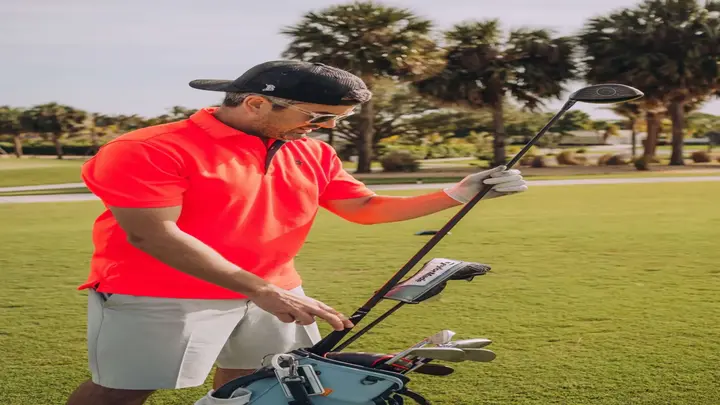
You upgraded your driver shaft. You selected the right flex, the right weight, and everything looked perfect on paper. But once you got on the course, something still felt off. Your shots started fading unexpectedly. Dispersion became wider. Some swings felt stable while others seemed unpredictable.
There is a good chance torque could be the missing piece.
Many golfers focus heavily on shaft flex and stop there. Stiff, Regular, or Extra Stiff becomes the entire decision making process. But right beside flex on every shaft specification sheet sits another number that quietly affects feel and consistency: torque.
Golfers searching for best golf shafts for drivers, custom golf shafts, best driver shafts, and premium golf club shafts often overlook this important factor.
👉 Explore custom golf shafts:
https://steadfastgolf.com/collections/custom-golf-shafts
What Is Torque in a Golf Shaft?
Torque refers to how much a golf shaft twists around its own axis during your swing. It is measured in degrees and generally ranges from lower torque profiles around 1 to 3 degrees and higher torque profiles around 4 to 6 degrees.
The lower the torque number:
• Less shaft twisting
• More control and stability
The higher the torque number:
• More rotation and flexibility
• Smoother overall feel
Torque does not directly control launch angle or spin the way shaft flex does. Instead, torque influences:
• Feel at impact
• Face stability
• Release characteristics
• Shot consistency
This explains why two shafts with identical flex ratings can still feel completely different.
Some golfers describe one shaft as stable and controlled while another feels smooth and active even with identical flex labels.
Browse additional golf shaft options:
https://steadfastgolf.com/collections/all
Does Torque Matter for Swing Speed?
The faster you swing, the more force gets applied through the shaft.
More force creates greater twisting potential.
That is where torque starts becoming important.
General swing speed patterns often look like this:
Swing Speed Under 90 mph
Golfers in this category often do not generate enough force to overpower higher torque shafts.
A torque range around 4 to 5 degrees may provide:
• Smoother feel
• Easier club release
• Better energy transfer
Swing Speeds Between 90 and 105 mph
This becomes more personal.
A smooth golfer at 100 mph may perform well with higher torque.
An aggressive golfer with a quick transition may prefer something more stable.
Tempo and transition matter just as much as swing speed.
Swing Speeds Above 105 mph
Powerful swings create more force through impact.
Lower torque shafts often provide:
• Better stability
• Tighter shot dispersion
• Improved face control
Golfers researching best driver shafts for distance often begin paying closer attention to these characteristics.
Are Low Torque Golf Shafts Good for Slower Swing Speeds?
The short answer is not always.
Low torque shafts are traditionally built for players who generate more clubhead speed.
For slower swing speeds, common results can include:
• Lower ball flight
• Reduced carry distance
• Less efficient energy transfer
• A stiffer overall feel
Distance can suffer because the shaft is not loading and unloading efficiently during the swing.
The club can start feeling mechanical instead of natural.
However, torque does not work independently.
It works together with:
• Shaft flex
• Kick point
• Shaft weight
• Material construction
Getting the complete combination right creates the biggest performance gains.
Why Material Construction Matters
Many modern carbon fiber golf shafts create a different experience compared to traditional shaft designs.
Carbon fiber construction provides:
• Lightweight performance
• Improved feel
• Better responsiveness
• Stability throughout the swing
This allows golfers to experience improved consistency without sacrificing overall feel.
Signs Your Torque May Not Match Your Swing
Too much torque:
• Club feels loose at impact
• Wider shot patterns
• Less predictable face control
Too little torque:
• Impact feels harsh
• Club feels difficult to release
• Swing feels forced
Sometimes golfers assume these are swing problems when the shaft fit may actually be responsible.
Frequently Asked Questions
Does lower torque automatically mean better control?
Not always. Shaft fit depends on your swing characteristics and overall profile.
Can slower swing golfers use low torque shafts?
In some cases yes, but shaft construction and overall design play an important role.
Does torque affect distance?
Torque itself does not directly create distance, but improving stability and energy transfer can influence performance.
Should golfers focus on torque or flex first?
Flex is often the first starting point, then torque can help fine tune feel and consistency.
Final Thoughts
Golf shaft fitting goes beyond simply choosing Regular or Stiff flex.
Torque plays a role in how the club feels, responds, and performs through impact.
Golfers searching best golf shafts, best driver shafts, custom golf shafts, and premium golf club shafts often discover that matching equipment to their swing creates noticeable improvements.
Understanding torque may be one of the most overlooked steps toward better consistency and confidence on the course.
Explore More Blogs
https://sites.google.com/view/steadfastgolf/home/start-golf-season-strong-why-the-right-golf-shaft-upgrade-can-improve-dist
https://steadastgolf.blogspot.com/2026/05/how-to-choose-right-carbon-fiber-golf.html