Why Quality Medical Diagnostic Equipment Matters in Modern Healthcare Settings
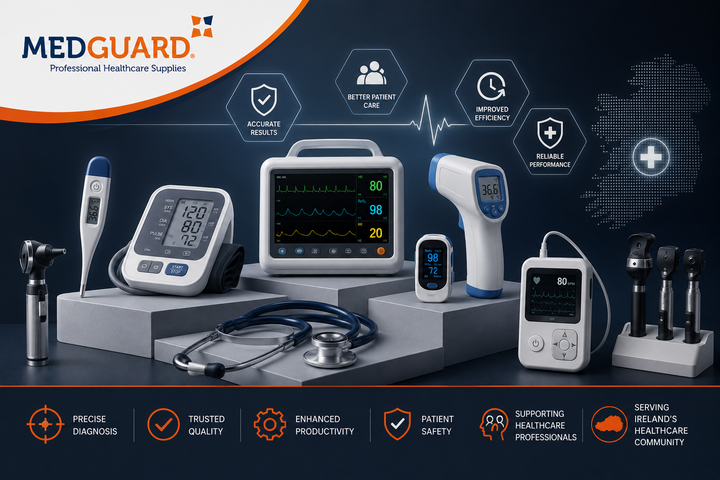
Modern healthcare depends on accurate information. From routine consultations in GP practices to ongoing care in nursing homes and community settings, healthcare professionals need dependable diagnostic equipment to assess patients and make informed clinical decisions. Quality medical diagnostic equipment is therefore more than a practical necessity; it is an important part of delivering safe, efficient and patient-centred care.
Supporting Accurate Patient Assessment
A patient's symptoms can sometimes be difficult to assess without appropriate equipment. Basic diagnostic tools such as blood pressure monitors, thermometers, pulse oximeters, stethoscopes and examination lights help healthcare professionals gather important information during routine assessments.
Reliable equipment can provide consistent readings when it is used correctly and maintained appropriately. This can help clinicians identify changes in a patient's condition and determine whether further assessment or treatment may be required. In busy healthcare environments, having dependable equipment available can make routine examinations more straightforward.
Helping Healthcare Professionals Make Informed Decisions
Diagnostic information forms an important part of clinical assessment. Healthcare professionals often consider observations and measurements alongside a patient's medical history, symptoms and other relevant information.
When equipment is suitable for the intended setting and functioning properly, it can support this assessment process. For example, monitoring blood pressure or oxygen saturation may help a professional recognise that a patient requires closer observation or further clinical evaluation.
Quality equipment does not replace professional judgement. Instead, it provides useful information that can contribute to a wider clinical picture.
Improving Efficiency in Healthcare Settings
Healthcare professionals work in environments where time and resources need to be managed carefully. Equipment that is easy to use, reliable and appropriate for the setting can help support smoother daily workflows.
In a GP surgery, for example, diagnostic tools may be used repeatedly throughout the day. In a nursing home, staff may need equipment for routine observations across multiple residents. Having dependable tools readily available can reduce unnecessary disruption and help staff complete assessments efficiently.
Choosing suitable equipment from the outset can also help healthcare facilities avoid replacing unsuitable products too frequently.
Supporting Patient Confidence
Patients naturally want to feel that their care is being handled professionally. Clean, well-maintained and appropriate medical equipment can contribute to a well-organised clinical environment.
While equipment alone cannot determine the quality of care, reliable diagnostic tools can support a professional approach to assessment and monitoring. Clear explanations from healthcare professionals, combined with appropriate equipment and good clinical practice, can help patients feel more informed and reassured during consultations.
Choosing Equipment for the Right Setting
Not every healthcare environment has the same requirements. A GP practice may need a different combination of diagnostic tools from a nursing home, outpatient clinic or community care service.
When choosing medical diagnostic equipment, healthcare providers should consider factors such as intended use, ease of operation, durability, accuracy, cleaning requirements and staff familiarity. Products should also be appropriate for the patients and situations in which they will be used.
Working with an established medical supplier can make this process easier by providing access to a broad range of products for different healthcare requirements.
The Importance of Ongoing Maintenance
Buying quality equipment is only one part of responsible equipment management. Regular checks, appropriate cleaning, correct storage and following manufacturer guidance can all help keep diagnostic tools in suitable working condition.
Healthcare facilities should also ensure that staff understand how equipment should be used. Correct operation is essential because even good-quality equipment may produce unreliable results if it is used incorrectly.
Supporting Better Healthcare Through Reliable Equipment
Quality medical diagnostic equipment plays a valuable role across modern healthcare settings. From routine observations to ongoing patient monitoring, dependable tools provide healthcare professionals with important information that can support assessment and clinical decision-making.
For Irish healthcare providers, selecting equipment that matches the needs of their practice or care environment can contribute to efficient workflows and consistent patient care. Medguard Healthcare provides a wide range of healthcare products designed to support the needs of professionals and care settings across Ireland.
Ultimately, the right diagnostic equipment is not simply about having more products available. It is about having dependable, appropriate tools that healthcare professionals can use confidently as part of safe, effective and patient-focused care.
Original Source : https://prerealy.com/why-should-healthcare-professionals-invest-in-quality-diagnostic-tools/