Types of Syringes and Their Uses in Modern Medicine
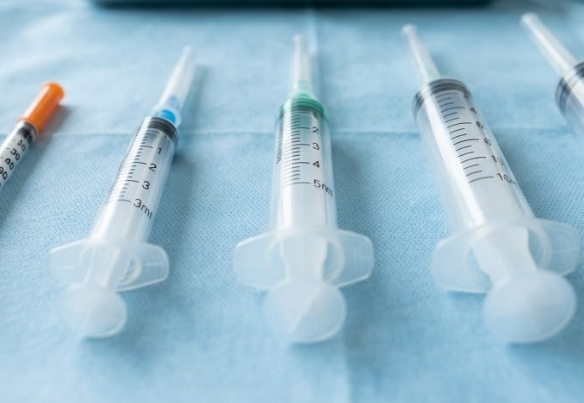
Medical syringes are one of the most essential tools in healthcare. Whether it's administering a vaccine, drawing blood, or delivering insulin, the right syringe makes all the difference in patient care. With so many types available, understanding each one helps both healthcare professionals and patients make informed decisions during treatment.
What Is a Medical Syringe?
A medical syringe is a simple yet highly effective device used to inject or withdraw fluids from the body. Before exploring the different types, it helps to understand the basic parts that make up every syringe:
- Plunger – Acts like a piston; pulled back to draw fluid in and pushed forward to expel it.
- Barrel – The cylindrical body that holds the fluid, marked with measurement lines for dosage accuracy.
- Hub – The connector at the front of the barrel where the needle attaches.
- Needle – The sharp, hollow metal tip that pierces the skin to deliver or withdraw fluid.
Each component works together to ensure accurate and safe delivery of medication. While the basic mechanism remains consistent, different medical scenarios call for different syringe designs.
Types of Syringes Based on Capacity
Choosing the right syringe size is critical for accurate dosing. Here's a breakdown by capacity:
1 mL Syringes
These are the smallest syringes available, typically paired with fine 28–31G needles. They are ideal for allergy tests, hormone therapy, and small subcutaneous doses. Insulin syringes fall into this category, making them one of the most widely used small-capacity syringes in everyday medical practice.
2–5 mL Syringes
Commonly used for vaccinations, antibiotic injections, and intramuscular (IM) doses in adults. Their 22–25G needles allow for smooth and relatively painless delivery. These are among the most versatile syringes found in clinics and hospitals.
10 mL Syringes
Used when larger volumes are needed — such as drawing blood samples, administering IV fluids, or delivering larger IM doses. Paired with 20–22G needles for ease of use.
20–60 mL Syringes
These high-capacity syringes are designed for wound irrigation, enteral feeding, tube maintenance, and larger-volume fluid management tasks.
Types of Syringes Based on Tip Design
The tip of a syringe determines how and where it can be used. Here are the most common tip-based categories:
Hypodermic Syringes
The most general-purpose syringe available. Suitable for subcutaneous (SC), intramuscular (IM), intravenous (IV), and intradermal injections. They can accommodate both thick and thin needles depending on the clinical need and come in sizes ranging from 1 to 60 mL.
Insulin Syringes
Specially engineered for patients managing diabetes, insulin syringes feature bold, easy-to-read measurement markings, pre-attached ultra-fine needles, and low dead-space design to ensure every unit of insulin is delivered accurately. Brands like Medguard offer high-quality insulin syringes that combine precision with patient comfort, making daily injections safer and more manageable.
Tuberculin Syringes
With a capacity of just 1 mL and fine 0.01 mL graduation markings, tuberculin syringes are commonly used in pediatric care and tuberculosis skin testing. Their 26–27G short needles minimize discomfort during intradermal or subcutaneous administration.
Oral / Enteral Syringes
These needle-free syringes feature a blunt tip designed for delivering liquid medications through the mouth or feeding tubes. Available in 1 to 60 mL sizes, they are safe and practical for children, elderly patients, and those on nasogastric (NG) feeds.
Catheter Tip Syringes
Featuring a wide, tapered blunt tip, catheter tip syringes are used to flush urinary catheters, irrigation wounds, and maintain surgical sites. Particularly useful for post-operative care and elderly patients with limited mobility. Sizes range from 10 to 60 mL.
Eccentric Tip Syringes
These syringes have an off-center nozzle, which allows the barrel to lie flat against the skin during injection, reducing the angle of needle entry. This makes them especially comfortable for surface-level injections and available in 5–20 mL sizes.
Safety Syringes
Also known as retractable or shielded syringes, these are designed with a protective mechanism that covers the needle immediately after use. This significantly reduces the risk of needlestick injuries for healthcare workers. They are widely used in blood draws, vaccinations, and emergency care settings.
Specialized Medical Syringes
Beyond the standard categories, certain clinical situations require purpose-built syringes:
Toomey Syringes
A bulb-operated, needle-free syringe used during complex surgeries. The wide blunt tip allows it to both aspirate fluids and flush surgical sites with cleaning solutions efficiently.
Venom Extraction Syringes
Vacuum-powered devices specifically designed to extract venom or toxic substances from the body following insect bites or snake bites.
Multi-Shot Syringes
Capable of delivering multiple doses in sequence, though their use is limited in modern medicine due to concerns around contamination and cross-infection.
Regional Anaesthesia Syringes
Large-capacity, low-friction syringes ranging from 20 to 50 mL, designed for the precise delivery of local anaesthesia. Their smooth plunger action gives clinicians better control during nerve block procedures.
Choosing the Right Syringe
Selecting the correct syringe depends on several factors:
- Volume of medication to be administered
- Route of administration (IV, IM, SC, oral)
- Patient type (pediatric, adult, elderly)
- Needle gauge required for the procedure
- Safety requirements of the clinical environment
Trusted medical suppliers like Medguard provide a wide range of syringes and needles from standard insulin syringes to specialized clinical tools — ensuring healthcare professionals always have access to the right device for the right job.
Conclusion
Understanding the different types of syringes and their uses is essential for both medical professionals and informed patients. From the precision of insulin syringes used in daily diabetes management to the specialized tools required in surgery and emergency care, every syringe serves a specific purpose. Always consult a qualified healthcare provider when selecting a syringe for clinical use, and rely on trusted brands like Medguard for quality and safety you can count on.
Original Source :- https://trackcourier.xyz/different-types-of-syringes-and-their-medical-uses/