Inadine Dressing: How It Supports Infection Control in Wound Care
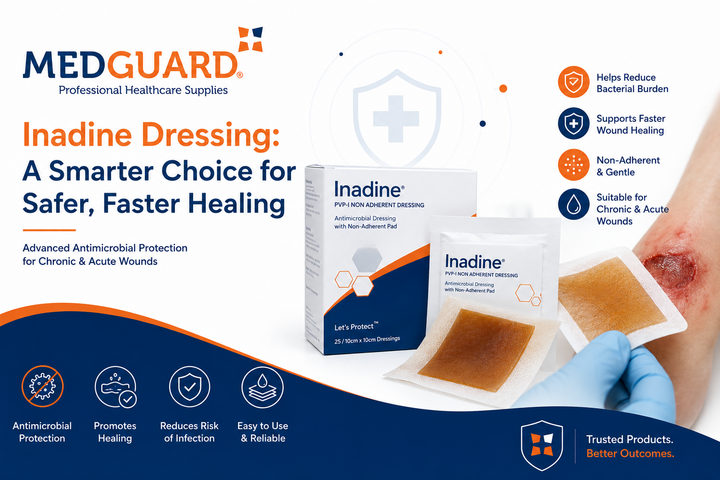
Effective wound management involves more than simply covering an injury. One of the most important aspects of wound care is controlling infection, as bacterial contamination can delay healing and increase the risk of complications. Healthcare professionals often rely on advanced wound dressings that not only protect the wound but also help maintain a healthier healing environment. Among these options, Inadine Dressing has become a widely used solution for managing wounds that are at risk of infection.
Designed with antimicrobial properties, Inadine Dressing helps healthcare providers address bacterial burden while supporting the body's natural healing process. Understanding how this dressing works and where it fits within modern wound care can help clinicians make informed treatment decisions.
What Is Inadine Dressing?
Inadine Dressing is a non-adherent wound dressing that contains povidone-iodine, a well-established antimicrobial agent. When the dressing comes into contact with wound exudate, it releases iodine into the wound bed. This controlled release helps reduce the presence of bacteria and other microorganisms that may interfere with healing.
Unlike traditional gauze dressings that can adhere to the wound surface, Inadine Dressing is designed to minimize trauma during dressing changes. This feature can improve patient comfort while helping to preserve newly formed tissue.
The dressing is commonly used in hospitals, clinics, community healthcare settings, and long-term care facilities as part of a comprehensive wound management strategy.
Why Infection Control Matters in Wound Care
A wound's ability to heal depends on several factors, including blood supply, moisture balance, nutrition, and infection control. When harmful bacteria multiply within a wound, the body's healing response may be disrupted. This can lead to delayed healing, increased inflammation, pain, and in some cases, more serious complications.
Healthcare professionals focus on reducing bacterial burden because doing so creates a more favorable environment for tissue repair. Infection control measures may include proper wound cleansing, regular assessment, and the use of antimicrobial dressings when appropriate.
Inadine Dressing plays a valuable role in this process by helping to manage microbial activity while protecting the wound from external contamination.
How Inadine Dressing Supports Infection Control
The primary benefit of Inadine Dressing lies in its antimicrobial action. Povidone-iodine has broad-spectrum activity against many microorganisms commonly associated with wound infections. By releasing iodine gradually, the dressing helps maintain antimicrobial effectiveness over time.
This controlled approach offers several advantages:
Reduces Bacterial Burden
Bacteria present in a wound can slow the healing process and increase the risk of infection. Inadine Dressing helps reduce microbial levels, supporting a cleaner wound environment.
Supports Healing Conditions
While the dressing itself does not directly heal the wound, it helps create conditions that allow the body's natural healing mechanisms to function more effectively.
Provides Continuous Protection
The dressing continues to release iodine as needed, offering ongoing antimicrobial support between dressing changes.
Helps Minimize Cross-Contamination
By acting as a protective barrier, Inadine Dressing can help reduce exposure to external contaminants that may compromise wound healing.
Common Applications of Inadine Dressing
Healthcare professionals may consider Inadine Dressing for a variety of wound types where infection management is an important concern. Common applications include:
- Minor burns
- Surgical wounds
- Traumatic wounds
- Leg ulcers
- Pressure ulcers
- Diabetic foot ulcers
- Abrasions and lacerations
The suitability of any dressing depends on the individual patient's condition and clinical assessment. Healthcare providers should always evaluate the wound regularly to ensure the chosen treatment remains appropriate.
Benefits for Healthcare Professionals and Patients
One reason Inadine Dressing remains a trusted choice in wound care is its combination of effectiveness and ease of use.
Non-Adherent Design
The dressing is designed to reduce sticking to the wound bed, helping minimize discomfort during removal.
Visual Indicator
As iodine is released, the dressing gradually changes color. This visual cue can help clinicians determine when the dressing may need replacing.
Broad Clinical Use
Its versatility makes it suitable for use across multiple healthcare environments, from acute care hospitals to community nursing settings.
Patient Comfort
Less traumatic dressing changes can contribute to a more positive patient experience, particularly for individuals requiring long-term wound management.
Best Practices for Using Inadine Dressing
Like any wound care product, Inadine Dressing is most effective when used as part of a structured treatment plan. Healthcare professionals should assess factors such as wound type, exudate levels, infection risk, and overall patient health before selecting a dressing.
Regular monitoring remains essential. Clinicians should observe the wound for signs of improvement, changes in bacterial burden, or indications that an alternative treatment approach may be required.
In addition, maintaining proper wound hygiene and following evidence-based wound care protocols can help maximize treatment outcomes.
Conclusion
Infection control is a critical component of successful wound management, and selecting the right dressing can make a meaningful difference in patient care. Inadine Dressing offers healthcare professionals a practical solution for managing bacterial burden while protecting the wound environment. Through the controlled release of povidone-iodine, it helps support conditions that encourage natural healing and reduce infection-related complications.
As modern wound care continues to evolve, antimicrobial dressings such as Inadine Dressing remain valuable tools for healthcare providers seeking effective, patient-focused approaches to wound management. When used appropriately and combined with comprehensive clinical care, they can contribute to better healing outcomes and improved patient experiences.
Original Source : https://proaiarticles.com/the-science-behind-inadine-dressings-do-they-really-work-faster/