The Ultimate Guide to Choosing the Best Golf Rangefinder
Posted by golfiya Ltd
Filed in Other 418 views
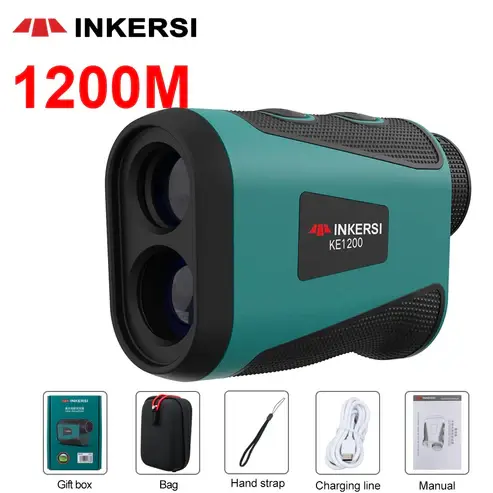
A golf rangefinder is one of the most powerful tools a golfer can add to their bag. Whether you’re a beginner trying to improve accuracy or an experienced player aiming to shave strokes off your score, a golf rangefinder can transform how you approach every shot. This comprehensive guide will walk you through everything you need to know—from how rangefinders work to the features that truly matter—so you can make a confident, informed decision.
What Is a Golf Rangefinder?
A golf rangefinder is a device designed to measure the distance between you and a specific target on the golf course. Typically used to determine the distance to the flag, hazards, or layup points, it eliminates guesswork and helps golfers make smarter club selections.
There are two main types of golf rangefinders:
-
Laser Rangefinders – Use a laser beam to measure distance to a target.
-
GPS Rangefinders – Use satellite data to provide distances to various points on the course.
Both types serve the same purpose but differ in functionality, accuracy, and user experience.
Why Every Golfer Needs a Golf Rangefinder
1. Improved Accuracy
A golf rangefinder gives precise yardages, allowing you to choose the right club with confidence. This reduces over- or under-hitting shots.
2. Faster Play
Instead of searching for yardage markers or guessing distances, you get instant readings—speeding up your round.
3. Better Course Management
Knowing exact distances helps you plan shots strategically, avoid hazards, and play smarter golf.
4. Consistency
Consistent distance measurement leads to better shot execution and improved overall performance.
Laser vs GPS Golf Rangefinder: Which Is Better?
Laser Golf Rangefinder
Pros:
-
Highly accurate (within 1 yard)
-
Ability to target specific objects
-
Ideal for competitive play
Cons:
-
Requires steady aim
-
Struggles in fog or heavy rain
-
Typically more expensive
GPS Golf Rangefinder
Pros:
-
Easy to use
-
Provides distances to front, middle, and back of the green
-
Works without direct line of sight
Cons:
-
Slightly less accurate
-
Requires course mapping
-
Battery dependency (often rechargeable)
Verdict:
If you prioritize precision, a laser golf rangefinder is the better choice. For convenience and ease of use, GPS models are excellent.
Key Features to Look for in a Golf Rangefinder
1. Accuracy
The most important feature. Look for a golf rangefinder with accuracy within ±1 yard.
2. Range
Most devices measure between 400 to 1,000+ yards. For golf, 600–800 yards is usually sufficient.
3. Slope Function
Slope technology adjusts distance based on elevation changes, giving “plays like” distances.
Note: Slope must be disabled for tournament play in many competitions.
4. Pin-Seeking Technology
Helps lock onto the flagstick instead of background objects like trees.
5. Magnification
Most rangefinders offer 5x to 7x magnification for a clearer view of distant targets.
6. Display Quality
Look for clear optics and easy-to-read displays, especially in bright sunlight.
7. Battery Life
-
Laser: Usually uses replaceable batteries
-
GPS: Rechargeable batteries lasting 1–2 rounds
8. Durability
Water-resistant and shockproof designs are ideal for outdoor conditions.
How to Use a Golf Rangefinder Effectively
-
Aim at Your Target
Point the rangefinder directly at the flag or object. -
Stabilize Your Hands
Hold steady or use both hands for accuracy. -
Activate Measurement
Press the button to get a distance reading. -
Confirm the Target Lock
Ensure you’ve locked onto the flag, not the background. -
Choose Your Club
Use the distance information to select the right club.
Common Mistakes to Avoid
-
Ignoring Slope Adjustments
Elevation can significantly affect shot distance. -
Not Practicing with the Device
Familiarity improves speed and accuracy. -
Over-Reliance
A golf rangefinder is a tool—not a replacement for skill and judgment. -
Using It Illegally in Tournaments
Always check rules regarding slope and device usage.
Are Golf Rangefinders Legal?
Yes, golf rangefinders are generally legal under the rules of golf, provided they do not measure prohibited factors such as wind speed or club recommendations. Devices with slope are allowed only if the slope feature is disabled during competition.
Price Range and What to Expect
-
Budget ($100–$200): Basic functionality, decent accuracy
-
Mid-Range ($200–$400): Better optics, slope, faster readings
-
Premium ($400+): Advanced features, superior build quality, enhanced targeting
Tips for Choosing the Right Golf Rangefinder
-
Set Your Budget
Decide how much you’re willing to invest. -
Consider Your Skill Level
Beginners may prefer GPS; advanced players often prefer laser. -
Check Reviews
Look for real user feedback on accuracy and durability. -
Test Ergonomics
Comfort and ease of use matter more than you think. -
Look for Warranty
A good warranty indicates product reliability.
Maintenance and Care
-
Keep lenses clean using a microfiber cloth
-
Store in a protective case when not in use
-
Avoid extreme temperatures
-
Replace or recharge batteries regularly
Final Thoughts
A golf rangefinder is more than just a gadget—it’s a game-improvement tool that can significantly enhance your performance on the course. By providing accurate distances, improving decision-making, and boosting confidence, it helps golfers of all levels play smarter and more efficiently.
When choosing the right golf rangefinder, focus on features that align with your playing style and needs. Whether you opt for a laser or GPS model, investing in a quality rangefinder is a step toward lower scores and a more enjoyable golfing experience.