Why Agri Solar PV Is the Missing Link in Sustainable Farm Expansion
Posted by Leadvent Group
264 views
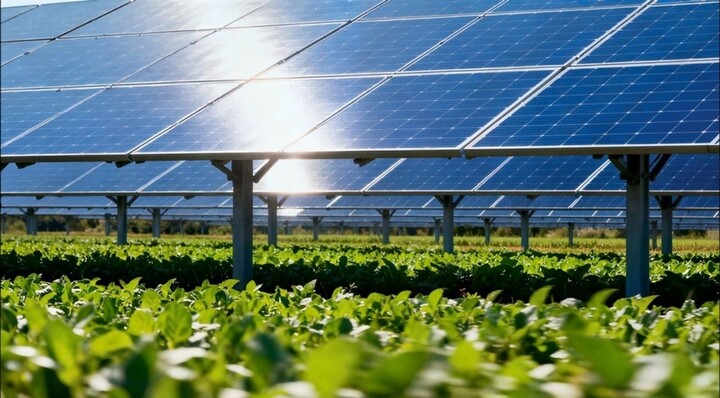
Farmers today face a tough balancing act. They need more land to grow food for a growing population, but they also need clean energy to power irrigation pumps, cold storage, and farm equipment. Buying separate land for solar panels and separate land for crops is expensive and often impossible in areas where farmland is limited. This is where a smart solution comes in, one that lets farmers grow crops and generate electricity from the same piece of land at the same time.
What Is Agri Solar PV and Why It Matters
Agri solar pv is the practice of installing solar photovoltaic panels above or between farm fields so that crops continue to grow underneath or around them. Instead of choosing between farming and solar energy, farmers get both. The panels are usually raised higher than normal solar installations, and spaced in a way that lets enough sunlight reach the plants below. This approach solves a real problem: land scarcity. With cities expanding and farmland steadily shrinking, utilizing the same piece of land for multiple purposes is becoming a practical solution instead of a luxury.
The Growing Pressure on Farmland
Farm expansion has always depended on two things: available land and reliable power. Diesel generators are costly and pollute the air. Grid electricity is not always available in rural regions. Meanwhile, land that could be used for solar farms is often the same land needed for food production. This conflict has slowed down renewable energy projects in many farming communities. When solar panels and crops share the same field, this conflict disappears, and both energy security and food security move forward together.
How the System Actually Works
The panels are mounted on tall, sturdy frames, usually higher than a person's head. This height allows tractors and workers to move underneath easily. The spacing between panel rows is planned carefully so that shade patterns do not harm the crops. In fact, partial shade can help certain plants by reducing water loss and protecting them from extreme heat. The electricity generated can power farm operations directly, be stored in batteries, or be sold back to the grid, creating an extra source of income for the farmer.
Real Case Studies That Prove the Concept
Case Study 1
One example comes from Houston, Alaska, where a renewable energy developer built an 8.5-megawatt solar array in 2023. Researchers began preparing agricultural test plots at the site in 2024, working with acidic silt loam soil that was treated with lime and compost to make it suitable for crops. The project also included surveys of local farmers and communities to understand how open they were to combining solar energy with farming in a cold, remote region. This case is important because it shows that agrisolar is not limited to warm climates. Even in northern areas with short growing seasons, shared land use can support both food and energy needs.
Case Study 2
A second case comes from Tanzania, where a pilot project called Harvesting the Sun Twice was set up in the Morogoro region to address serious energy shortages at a training center. The project combined solar panels with crops such as beans, Swiss chard, and maize. Farmers recorded higher yields for these crops compared to fields without panels, and irrigation water use dropped by close to fourteen percent. This case matters because it shows measurable water savings alongside better harvests, which is exactly what farmers in dry regions need.
Benefits Beyond Energy and Crops
Agri solar PV systems offer more than just electricity and food. The shade from panels reduces soil moisture loss, which means less water is needed for irrigation. This is a major advantage in regions facing drought or unreliable rainfall. The panels also protect crops from extreme heat and heavy hail in some cases. For farmers, this means fewer losses during unpredictable weather. Additionally, the income earned from selling extra electricity can help farmers survive difficult seasons when crop prices are low.
Challenges Farmers Should Know About
No system is perfect, and agri solar PV does come with some hurdles. The upfront cost of raised solar structures is higher than standard ground-mounted panels. Not every crop tolerates shade well, so farmers need guidance on which plants work best under panels. Leafy greens, root vegetables, and certain berries tend to do well, while some grain crops may show reduced yields under heavy shading. Proper planning, spacing, and crop selection are necessary before starting a project.
Why This Matters for the Future of Farming
As land becomes more expensive and energy costs continue to rise, farmers cannot afford to treat food production and power generation as separate problems. Agri solar PV connects these two needs into one workable system. It allows farms to expand sustainably without competing for limited land resources. Governments and researchers are already studying how to scale this model for larger farms and different climates, and the results so far are encouraging.
Conclusion
The evidence from real-world projects, from Alaska to Tanzania, shows that combining farming with solar energy is not just a concept on paper. It is a working solution that saves water, boosts income, and supports both food and energy goals at once. Farmers, researchers, and policymakers are increasingly discussing this topic at industry gatherings, and any recent solar power conference will confirm that shared land use is becoming a central theme in renewable energy planning. For sustainable farm expansion to truly succeed, agri solar PV deserves a serious place in every farmer's future plans.
Frequently Asked Questions
Q1. Does agri solar PV reduce crop yields?
It depends on the crop. Shade-tolerant plants like leafy greens often do well or even improve, while some grain crops may see a slight reduction. Careful planning helps balance this.
Q2. How much does it cost to set up an agri solar PV system?
Costs vary based on location, panel height, and land size, but raised structures generally cost more than standard ground-mounted solar due to the extra materials and engineering needed.
Q3. Can small farmers benefit from this technology, or is it only for large farms?
Small farmers can benefit too, especially through smaller pilot systems or shared community projects that reduce individual investment costs.
Q4. What crops work best under solar panels?
Leafy vegetables, berries, and certain root crops tend to perform well because they benefit from partial shade and reduced water stress.
Q5. Is agri solar PV suitable for cold or dry climates?
Yes. Case studies from regions as different as Alaska and Tanzania show that the system can be adapted to both cold and dry environments with proper site preparation.