The Business Case for Renewable Fuel in a Volatile Energy Market
Posted by Leadvent Group
209 views
Energy prices have become unpredictable. One quarter, oil is cheap and stable. The next, a geopolitical conflict or supply disruption sends prices climbing overnight. For businesses that depend on fuel to run fleets, factories, or logistics networks, this unpredictability is more than an inconvenience. It is a direct threat to budgeting, planning, and long term growth.
This is why more companies are looking beyond fossil fuels and taking a serious, practical interest in renewable fuel. It is no longer viewed solely as an environmental concern. It has become a financial strategy that helps businesses protect themselves from price shocks while meeting growing pressure from regulators, investors, and customers to cut carbon emissions.
Why Energy Volatility Is a Business Problem, Not Just an Economic One
When fuel prices swing wildly, every part of a business feels it. Transportation costs rise, manufacturing budgets get squeezed, and long term contracts become harder to price accurately. Companies that rely entirely on fossil fuels are essentially betting their operations on a market they cannot control.
Renewable fuel offers a way to reduce that exposure. Because it can be produced locally from domestic resources such as agricultural waste, used cooking oil, or captured carbon, it is less dependent on global oil supply chains and the political tensions that often disrupt them. This gives businesses a more stable and predictable cost structure over time, even if the upfront investment is higher.
Regulatory Pressure Is Turning Into Real Financial Risk
Governments across the world are tightening emissions rules for transportation and industry. Carbon taxes, low carbon fuel standards, and mandatory blending requirements are becoming standard tools of climate policy. Businesses that delay adapting to these rules often end up paying more later, either through penalties or through the higher cost of scrambling to comply at the last minute.
Companies that adopt renewable fuel early are generally better positioned. They avoid last minute compliance costs, and in many regions they can access tax credits, grants, or carbon credit trading opportunities that directly improve their bottom line. This is not charity. It is smart financial planning dressed up as environmental responsibility.
The Growing Role of Electrofuels
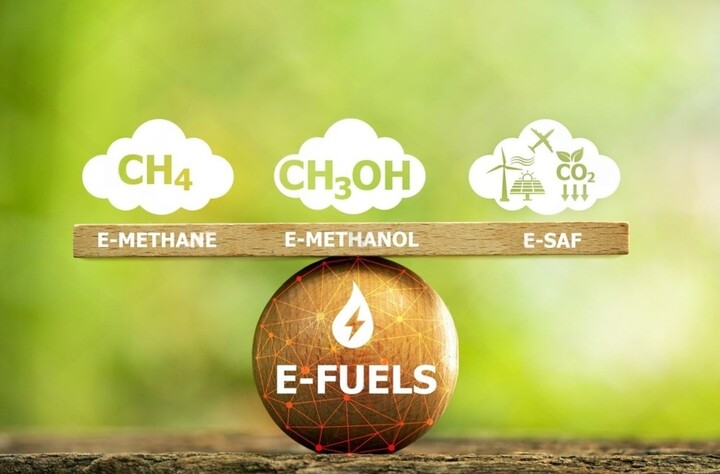
One of the most promising developments in this space is the rise of electrofuels. These are synthetic fuels created by combining hydrogen, produced using renewable electricity, with captured carbon dioxide. Unlike some renewable fuels that depend on biological feedstock, electrofuels can be manufactured almost anywhere there is renewable power and a carbon source, which makes them attractive for regions without large agricultural surpluses.
Electrofuels also work well with existing engines and fuel infrastructure. This is especially important for sectors such as aviation and shipping, where replacing existing engines or developing completely new infrastructure would involve significant costs. Because electrofuels can often be used with only minor modifications, businesses in these hard to decarbonize sectors see them as a realistic bridge rather than a distant future technology.
Real World Evidence That the Business Case Works
Two recent projects show how this shift is playing out in practice, and they go beyond the well known examples usually cited in industry articles.
Case Study 1
The first is the E-Fuel research project in Finland, coordinated by VTT and backed by fifteen industry partners including Neste. Over three years, the project combined high temperature electrolysis, carbon capture, and hydrocarbon synthesis to produce paraffinic e-fuel suitable for aviation and road transport. The consortium successfully demonstrated the full value chain, from carbon capture to finished fuel, and confirmed that the product met quality standards with low emissions in field testing. This kind of collaborative, multi partner structure is becoming a model for how companies can share the financial risk of early stage fuel innovation instead of carrying it alone.
Case Study 2
The second example is the E-Fuel Pilot plant being developed by Nordic Electrofuel at Herøya, Norway. This facility uses carbon dioxide captured from a nearby ammonia plant, combined with renewable hydrogen, to produce roughly eight thousand tonnes of synthetic fuel per year through a power to liquid process. What makes this project notable is its use of an existing industrial carbon source rather than building new capture infrastructure from scratch, which significantly lowers both cost and complexity. It is a practical illustration of how businesses can pair renewable fuel production with facilities they already operate nearby.
Both projects reflect a broader pattern. Businesses that succeed with renewable fuel tend to partner with others, use existing infrastructure where possible, and focus on sectors where fossil fuel alternatives are hardest to replace.
What This Means for Business Planning
Adopting renewable fuel is not just about switching suppliers. It requires businesses to rethink supply contracts, plan for infrastructure upgrades, and sometimes accept a longer payback period in exchange for long term price stability. For companies with large transportation or logistics operations, even a partial shift toward renewable fuel can reduce exposure to future price spikes.
It is also worth noting that customer expectations are shifting. Many corporate clients now ask suppliers about their carbon reduction plans before signing contracts. Businesses that can show a credible renewable fuel strategy often have an easier time winning and retaining these contracts, which adds a competitive advantage on top of the cost stability benefits.
Conclusion
Energy markets are not likely to become more predictable any time soon. Businesses that continue to rely entirely on fossil fuels will keep facing the same cycle of price shocks and regulatory uncertainty. Those that begin shifting toward renewable alternatives, including electrofuels and other synthetic options, are building a more resilient foundation for the future.
For companies exploring this shift, attending an industry gathering such as an e-fuels event can be a practical starting point. These events bring together fuel producers, technology developers, and policy experts, offering a direct way to understand what is currently working, what challenges remain, and which partnerships might make the transition easier and more affordable.
Frequently Asked Questions
Q1. Is renewable fuel more expensive than traditional fossil fuel?
In many cases, the upfront cost is higher today, but the price gap is narrowing as production scales up. Businesses often find that long term price stability offsets the higher initial cost, especially when factoring in carbon taxes and compliance expenses tied to fossil fuels.
Q2. Can existing vehicles and machinery use renewable fuel without modification?
Many renewable fuels, particularly electrofuels and certain biofuels, are designed to work with existing combustion engines and fuel infrastructure. Some blends require minor adjustments, but full engine replacement is usually not necessary.
Q3. How does renewable fuel help with regulatory compliance?
Governments are introducing stricter emissions standards and carbon pricing systems. Using renewable fuel helps businesses meet these requirements ahead of deadlines, often qualifying them for tax incentives or credits rather than facing penalties.
Q4. What industries benefit the most from switching to renewable fuel?
Aviation, shipping, and heavy transport tend to benefit the most because these sectors are difficult to electrify directly. Renewable fuel offers a practical way to cut emissions without waiting for entirely new technology.
Q5. Are electrofuels actually available at commercial scale yet?
Electrofuels are still mostly at pilot and early commercial stages, though production capacity is expanding quickly. Businesses adopting them today are often early movers who benefit from favorable partnerships, grants, and policy support before wider competition increases costs.