What to Know Before Restoring a Damaged Tooth
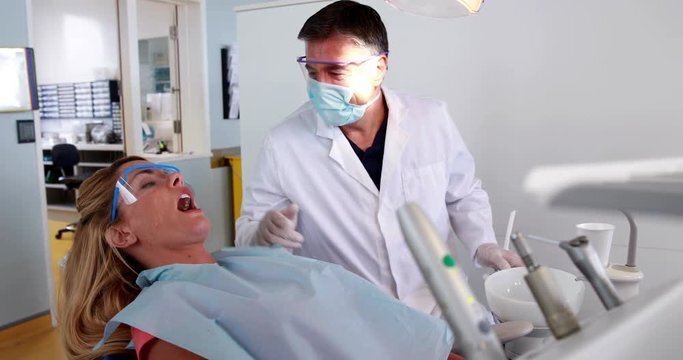
A damaged tooth can be a source of significant pain and anxiety. Whether caused by decay, fracture, or trauma, a compromised tooth demands attention. The good news is that modern dentistry offers excellent solutions for restoration. However, restoring a damaged tooth is not a one-size-fits-all process. Multiple factors influence which treatment is most appropriate for your situation. Understanding your options before sitting in the dental chair is empowering. It helps you have informed conversations with your dental professional. This guide covers everything you need to know before restoring a damaged tooth.
Understanding the Nature and Extent of Tooth Damage
Not all tooth damage is equal in severity or complexity. Minor chipping may require only cosmetic bonding to correct. Moderate decay may be treated with a simple filling procedure. More extensive damage involving the inner structure requires advanced restoration. Understanding what has damaged your tooth helps clarify your treatment path. Common causes of damage include untreated cavities, clenching, grinding, and trauma. Biting into hard foods can also crack teeth unexpectedly and painfully. Age-related wear gradually weakens enamel and makes teeth more vulnerable. Your dentist will assess the damage thoroughly before recommending any specific treatment. X-rays and clinical examination together provide a complete picture of the damage.
Why Prompt Action on Damaged Teeth Matters
Delaying treatment for a damaged tooth often makes things significantly worse. Small cracks can deepen and reach the sensitive pulp inside the tooth. Cavities that penetrate enamel progress more quickly through softer dentin. Once the pulp is infected, root canal treatment becomes necessary. What started as a simple filling need can escalate into major treatment. Dental infections can spread to surrounding tissues and bone dangerously. In severe cases, tooth extraction becomes the only remaining viable option. Acting quickly preserves more of your natural tooth structure than waiting. Early intervention is always the most conservative and cost-effective approach available.
Common Restoration Options for Damaged Teeth
Dentistry offers a range of restoration options depending on the damage level. Dental bonding uses tooth-colored composite resin for minor chips. It is applied directly to the tooth and shaped to match. Fillings are used for small to moderate areas of decay. Composite fillings are tooth-colored and blend seamlessly with natural teeth. Amalgam fillings are more durable and used in high-pressure areas. Inlays and onlays are custom restorations for moderately damaged teeth. They cover more surface area than a filling but less than a full crown. These restorations are made in a dental lab from durable materials.
When a Dental Crown Becomes the Best Solution
For significantly damaged teeth, a dental crown is often the most appropriate and comprehensive solution available. A crown covers the entire visible portion of the tooth completely. It restores the tooth's shape, size, strength, and appearance effectively. Crowns are recommended when a tooth has lost substantial structure due to decay. They are also used after root canal treatment to protect the tooth. Fractured teeth that cannot be restored with fillings benefit from crown placement. Teeth with very large existing fillings may be crowned for added protection. A properly placed crown can last 10 to 15 years with good care. It allows the original tooth root to remain intact and functional.
The Process of Getting a Tooth Restoration
Understanding the restoration process helps reduce anxiety before treatment. Your dentist begins with a comprehensive examination of the damaged tooth. X-rays are taken to assess the extent of damage beneath the surface. A detailed treatment plan is presented and discussed with you thoroughly. For most restorations, local anesthesia is administered for comfort. The dentist removes decay or damaged tooth structure as conservatively as possible. Impressions or digital scans of your tooth are taken for custom restorations. A temporary restoration may be placed while the permanent one is fabricated. You return for a second appointment to have the final restoration placed.
What to Expect in Terms of Comfort and Recovery
Modern dental techniques make restorations far more comfortable than ever before. Local anesthesia ensures you feel no pain during the procedure itself. Some sensitivity is normal in the days following restoration placement. This typically resolves on its own within one to two weeks. Avoiding very hot, cold, or hard foods can minimize post-treatment discomfort. Over-the-counter pain relievers are usually sufficient for any mild soreness. If pain intensifies or persists beyond two weeks, contact your dentist. Persistent pain may indicate the need for additional treatment or adjustment. Bite misalignment after a restoration can be easily corrected with a quick adjustment.
Factors That Influence Your Treatment Recommendation
Your dentist considers numerous factors before recommending a specific restoration. The location of the damaged tooth in your mouth matters significantly. Front teeth require restorations that prioritize natural-looking aesthetics closely. Back teeth used for chewing require durability and resistance to pressure. The amount of remaining healthy tooth structure guides the choice of treatment. Your overall oral health, gum health, and bone levels are evaluated. Any existing dental work on the damaged tooth influences the decision. Your budget and dental insurance coverage are also practical considerations. Your personal preferences and priorities are part of the decision-making process too.
The Role of Material Choice in Restoration Outcomes
The material used for a restoration significantly affects its longevity. Composite resin is tooth-colored and aesthetically pleasing for visible teeth. It bonds directly to tooth structure and requires less removal of healthy enamel. Porcelain restorations are highly aesthetic and stain-resistant over time. They are often used for crowns, veneers, and ceramic inlays. Gold restorations are extremely durable and biocompatible for most patients. They are typically used for back teeth where strength is the priority. Zirconia is a newer material combining strength with excellent aesthetics. Your dentist will recommend the best material for your specific clinical situation.
Caring for Your Restored Tooth to Maximize Longevity
A dental restoration is an investment that requires proper ongoing care. Brush twice daily with a soft-bristled toothbrush and fluoride toothpaste. Floss daily to remove plaque from around and beneath the restoration margins. Avoid biting on extremely hard objects that could crack or damage restorations. If you grind your teeth, ask your dentist about a custom nightguard. Wearing a nightguard protects both natural teeth and restorations from grinding pressure. Avoid habits like chewing ice, fingernails, or hard candies regularly. Visit your dentist regularly for checkups and professional cleanings consistently. Your dentist will monitor the condition of the restoration at each visit.
Signs That a Restoration May Need Replacement or Repair
Restorations do not last forever and will eventually need attention. Be alert to changes around your restoration between dental visits. Sensitivity to hot, cold, or sweet stimuli may indicate issues beneath the restoration. A cracked or chipped restoration requires prompt evaluation and repair. Pain when biting down suggests a bite problem or deeper issue. Visible darkening around the edges of a filling can indicate new decay. A loose or dislodged restoration needs immediate professional attention. Never ignore changes in how your restoration feels or functions daily. Early detection of problems allows for simpler repairs and better outcomes overall.
The Importance of Addressing the Root Cause of Damage
Restoring a tooth is important, but addressing why it was damaged matters equally. If decay caused the damage, your diet and hygiene habits need evaluation. A dentist can identify factors that make you more susceptible to cavities. If grinding caused the damage, a nightguard and stress management are key. Acid reflux disease can erode enamel from the inside, causing tooth damage. Dry mouth, often caused by medications, increases decay risk significantly. Treating the underlying cause prevents damage from recurring in the restored tooth. It also protects your other teeth from experiencing similar problems in future. A truly comprehensive approach addresses both the restoration and its root cause.
Building a Long-Term Relationship With Your Dental Provider
Choosing the right dental provider is as important as choosing the right restoration. A dentist who knows your dental history provides more personalized care. Continuity of care means your provider monitors restorations over time closely. They track changes in your oral health and adjust recommendations accordingly. Trust and communication between patient and dentist lead to better outcomes. Feel comfortable asking questions about any treatment being recommended. Request that treatment options, costs, and timelines be clearly explained to you. A good dental provider treats you as a partner in your oral health. With the right care and professional guidance, your restored tooth can serve you well for many years to come.