Signs Your Home Needs an Immediate Electrical Check
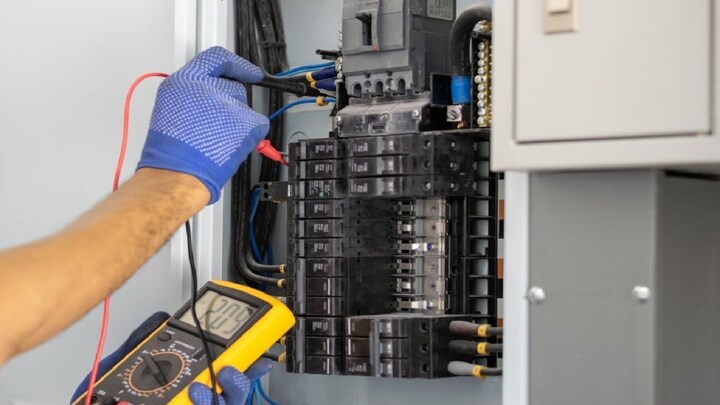
Electrical problems do not always announce themselves dramatically. Some give subtle early warnings before becoming serious. Others emerge suddenly without any prior indication at all. Knowing which signs demand immediate attention is critical. Ignoring electrical warning signs creates serious safety risk. This guide helps homeowners recognize when to act urgently.
Frequent Circuit Breaker Trips
A breaker that trips occasionally is not necessarily alarming. Breakers are designed to trip under overload conditions. But frequent tripping on the same circuit is different. It signals that something is consistently drawing too much power. It may also indicate a fault within the circuit wiring. Frequent trips demand professional investigation without delay.
When Multiple Breakers Trip Simultaneously
Multiple simultaneous trips are a more serious warning sign. This may indicate a problem at the main panel level. A failing main breaker can cause widespread circuit disruptions. A utility-side power quality issue might also be responsible. This scenario should prompt an immediate call to an electrician. The underlying cause must be identified before conditions worsen.
Breakers That Will Not Stay Reset
A breaker that trips immediately after resetting is alarming. This indicates a persistent fault in the circuit or wiring. The fault causes current to immediately exceed safe levels. Resetting repeatedly is dangerous and should not be attempted. Leave the breaker in the off position and call a professional. Forcing a breaker to stay on can cause serious electrical damage.
Burning Smells and Unusual Odors
A burning smell from any electrical component is a serious warning. It indicates that something is overheating inside the system. Burning plastic has a distinct and immediately recognizable smell. Electrical burning smells can also resemble hot metal. Never ignore these odors, even if they seem faint. Immediate professional evaluation is always the appropriate response.
Identifying Where the Smell Is Coming From
Try to locate the source of the burning odor. Check outlets, switches, and appliances in the affected area. Check your electrical panel if the odor is widespread. If you cannot identify the source, evacuate and call for help. A burning smell with no visible source is particularly dangerous. Hidden wiring fires inside walls require emergency professional response.
Ozone Smell Near Electrical Components
An ozone smell near outlets or panels suggests arcing. Arcing produces ozone as a byproduct of the electrical discharge. This is a serious fire and safety hazard requiring immediate attention. Do not attempt to diagnose arcing yourself inside walls. Turn off the affected circuit and call a licensed electrician. Arcing left unaddressed can cause electrical fires quickly.
Flickering or Dimming Lights
Occasional flickering tied to appliance startup is usually benign. Large appliances momentarily draw power from lighting circuits. But persistent flickering unrelated to appliance activity is concerning. It typically indicates a loose connection somewhere in the circuit. Loose connections create inconsistent current flow and arcing risk. Persistent flickering warrants prompt professional inspection.
Flickering Throughout Multiple Rooms
Flickering isolated to one fixture suggests a local problem. Flickering across multiple rooms or the whole house is different. This may indicate a loose main service connection to your panel. It could also signal a utility-side voltage problem. Whole-house flickering should be addressed urgently and professionally. It represents a potential safety hazard for your entire home.
Lights Dimming When Appliances Start
Temporary dimming when large appliances start is usually normal. Air conditioners and refrigerators draw significant startup current. But severe or prolonged dimming suggests insufficient circuit capacity. It may also indicate wiring that is undersized for current loads. If dimming is noticeable and consistent, have the system evaluated. An electrician can determine if capacity upgrades are needed.
Warm or Discolored Outlets and Switches
Normal outlets and switches should not feel warm. Heat from an outlet or switch indicates a hidden problem. Discoloration around outlet and switch covers is equally alarming. Yellow or brown staining suggests heat damage from arcing. Both conditions signal that dangerous overheating has already occurred. Do not use the affected outlet until it has been professionally inspected.
What Causes Outlets to Overheat
Overheating outlets usually result from loose internal connections. A loose wire creates resistance that converts to heat. This heat damages surrounding wiring insulation over time. Overloaded outlets also generate excessive heat during use. Both scenarios increase fire risk significantly if left unaddressed. Replacement by a residential electrician is the appropriate solution.
Scorch Marks on Outlet or Switch Covers
Scorch marks are evidence that arcing has already occurred. This means the situation has already progressed to a dangerous level. Treat scorch marks as an emergency electrical condition. Turn off the affected circuit immediately if it is safe. Do not use any outlets or switches showing scorch marks. Call a licensed electrician immediately for assessment and repair.
Buzzing, Crackling, or Hissing Sounds
Properly functioning electrical systems are nearly silent. Audible sounds from outlets, switches, or panels are abnormal. Buzzing can indicate loose connections or faulty breakers. Crackling sounds often suggest active arcing inside walls. Hissing near electrical panels may indicate serious panel issues. Any unusual sound from electrical components requires prompt attention.
Buzzing From Light Fixtures
Some buzzing from dimmer switches and fluorescent lights is normal. But loud buzzing from standard fixtures or outlets is not. Incompatible dimmer switches cause buzzing with certain bulb types. Faulty wiring can also produce audible buzzing at fixtures. Determine when the buzzing started and under what conditions. Share this information with your electrician for faster diagnosis.
Sounds From Inside the Electrical Panel
The electrical panel should produce virtually no sound. Any crackling or buzzing from inside the panel is urgent. These sounds may indicate a failing breaker or loose connections. They can also signal arcing inside the panel enclosure. Panel arcing is a serious fire risk requiring immediate intervention. Do not attempt to investigate panel sounds yourself under any circumstance.
Electric Shocks From Outlets or Appliances
A mild shock when touching an outlet is always abnormal. It indicates a wiring fault or grounding problem. Ground faults allow current to travel through unintended paths. Any shock experience should motivate immediate professional evaluation. Even mild shocks can become more serious under different conditions. Do not dismiss any shock as harmless or inconsequential.
Shocks From Appliances May Indicate Faulty Grounding
Shocks from appliances may indicate a grounding problem. The appliance chassis becomes energized when grounding is faulty. This occurs when grounding connections fail somewhere in the circuit. It can also result from a faulty appliance internally. Have both the appliance and the circuit professionally evaluated. Do not use the appliance or outlet until the cause is confirmed.
Age of Your Electrical System
Older homes present unique electrical safety concerns. Wiring and components have defined useful life spans. Knob-and-tube wiring from the early 1900s is considered unsafe. Aluminum wiring from the 1960s and 70s needs careful evaluation. Even 1980s homes may have aging panels needing replacement. The age of your system alone is a valid reason for an inspection.
Homes Over 40 Years Old Need Priority Attention
Electrical systems in homes over 40 years old deserve scrutiny. Components from that era often do not meet modern safety standards. Insulation on older wiring may be brittle and cracked. Outlets may lack ground connections required by current code. Scheduling an inspection in an older home is a responsible priority. The peace of mind alone justifies the modest investment.
Conclusion
Recognizing electrical warning signs can literally save your life. Tripped breakers, burning smells, flickering lights, and warm outlets are urgent signals. Sounds from panels and shocks from outlets demand immediate professional response. Never delay when these warning signs appear in your home. Prompt action protects your family, your property, and your financial wellbeing. Electrical safety is always worth prioritizing above all other concerns.