Why Site Assessment Matters in Construction and Planning
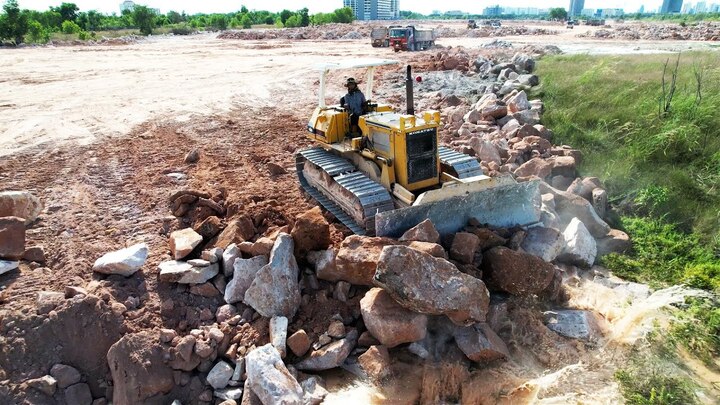
The construction industry operates on information. The more accurate the information, the better the outcome. No category of information is more critical than what lies beneath a building site. Site conditions determine whether a project succeeds or fails. They influence every major decision from design to budget to timeline. Site assessment is the process that gathers this essential information. Understanding why it matters helps developers, planners, and communities make wiser choices.
The Hidden World Beneath Construction Sites
The ground is not simply an inert mass of dirt. It is a complex, dynamic system. Soil layers vary in composition, strength, and water content. Groundwater flows through permeable formations. Contaminants from past land uses can persist for decades. Geologic features like clay lenses or buried organic material create unpredictable conditions.
Without investigation, these conditions are invisible. A developer looking at a flat, grassy site sees nothing of what lies below. The soil may be strong and clean. Or it may be weak, contaminated, or riddled with buried debris. Site assessment makes the invisible visible. It allows informed decisions to replace dangerous assumptions.
Preventing Structural Failures Through Geotechnical Investigation
Foundation failures are among the most catastrophic outcomes in construction. They cause injury, financial loss, and reputational damage. Most foundation failures are preventable. They occur when foundations are designed without adequate knowledge of ground conditions. Geotechnical site assessment prevents this.
By drilling boreholes and testing soil samples, engineers determine the bearing capacity of the ground. They identify weak layers that could compress under load. They locate the water table and assess its seasonal fluctuations. All of this information is essential for designing foundations that will perform reliably for the life of the structure.
Protecting Communities from Environmental Risk
Construction can disturb contaminated soil. Without proper assessment, developers may not know they are working in contaminated ground. Disturbing contaminated soil during excavation can release volatile chemicals into the air. It can spread pollution to neighboring properties through stormwater runoff. It can create serious health risks for workers and nearby residents.
Site assessment identifies contamination before excavation begins. Appropriate precautions can then be implemented. Air monitoring, worker protective equipment, and contaminated soil management plans all depend on assessment findings. Communities living near construction sites deserve the protection that proper assessment provides.
The Legal and Regulatory Framework
Regulatory requirements for site assessment vary by jurisdiction. Many regions require environmental assessment before certain types of development are approved. Brownfield redevelopment, industrial rezonings, and projects near sensitive areas typically face the most rigorous requirements. Failure to conduct required assessments can result in regulatory action.
Regulators have authority to stop construction on sites where assessment requirements have not been met. Fines can be imposed for non-compliance. In cases of contamination discovered during construction, cleanup costs and penalties can be devastating. Following regulatory requirements protects developers from these consequences. It also demonstrates responsible corporate citizenship.
Financial Risk Management Through Site Assessment
Every construction project carries financial risk. Unexpected site conditions are one of the most common sources of budget overruns. Discovering contamination or weak soils mid-construction stops work and requires costly remediation. These delays can cascade into missed revenue projections and damaged investor relationships.
The process of conducting a rigorous phase 2 environmental site assessment gives financial stakeholders the information they need. Lenders can assess the risk profile of a project accurately. Investors can evaluate environmental liability before committing capital. Developers can build accurate contingencies into their budgets. All of these benefits flow from investing in thorough assessment before construction begins.
Site Assessment and Sustainable Development
Sustainable development integrates environmental responsibility into economic growth. Site assessment is an essential tool for sustainable construction. It identifies opportunities to improve environmental conditions through development. Brownfield remediation and redevelopment transforms contaminated liabilities into productive community assets.
Understanding site conditions also supports sustainable design. Low permeability soils inform stormwater management strategies. The presence of groundwater affects basement design and waterproofing requirements. Site-specific data allows engineers to optimize designs for actual conditions rather than generic assumptions. The result is more resource-efficient construction.
The Role of Site Assessment in Risk Allocation
Construction contracts allocate risk between parties. Site conditions are a major source of risk in any construction contract. When site assessment is thorough, risk can be allocated more fairly. The contractor knows what they are building on. The developer knows what problems may arise. Both parties can negotiate appropriate risk-sharing arrangements.
Without assessment, parties must make assumptions. Assumptions lead to disputes when reality differs from expectations. Contractors may seek compensation for unforeseen site conditions. These claims can be contentious and expensive to resolve. Good site assessment minimizes disputes by aligning expectations with reality from the outset.
Protecting Long-Term Property Value
Real estate value is influenced by environmental and geotechnical conditions. Properties with unresolved contamination suffer significant value discounts. Properties with documented clean bills of health command premium prices. Site assessment creates the record needed to establish and protect property value.
As environmental awareness grows among buyers and tenants, clean site documentation becomes increasingly valuable. Institutional investors and major tenants conduct their own due diligence. A property with thorough site assessment records is easier to sell, lease, and finance. The long-term return on assessment investment is substantial.
Site Assessment in Urban Redevelopment
Urban redevelopment depends heavily on site assessment. Former industrial areas are prime candidates for redevelopment. But they often carry the environmental legacy of past activities. Factories, rail yards, gas stations, and dry cleaners leave contamination behind.
Site assessment is the essential first step in any urban redevelopment project. It quantifies the cleanup challenge and informs remediation planning. It builds the case for public funding or tax incentives to support remediation costs. Without credible assessment data, urban redevelopment projects struggle to attract investment.
Assessment as a Tool for Community Engagement
Site assessment results are public documents in many jurisdictions. Community members have a right to know about environmental conditions in their neighborhoods. Sharing assessment findings openly builds trust between developers and communities. It demonstrates that the project team takes environmental responsibility seriously.
Community engagement around site assessment results can be productive. Local residents often have historical knowledge of site activities that supplements formal records. Their input can identify concerns that technical assessment might overlook. Engaging the community early creates allies and reduces opposition to development projects.
Integrating Assessment into the Project Lifecycle
Site assessment should not be a one-time event. It should be integrated throughout the project lifecycle. Initial assessments guide planning and design. Confirmatory sampling during construction verifies that conditions match assessment predictions. Post-construction monitoring tracks environmental conditions after development is complete.
This lifecycle approach to assessment management ensures that site conditions are understood at every stage. It allows project teams to respond quickly to unexpected discoveries. It creates a complete environmental record that serves the project for decades. Integrated assessment management is the hallmark of professional construction practice.
Conclusion
Site assessment is not bureaucratic overhead. It is a strategic investment in project success. It protects human health, safeguards the environment, and supports sound financial decision-making. It enables compliance with regulations and builds community trust. It protects long-term property value and reduces the risk of costly disputes. Construction and planning professionals who take site assessment seriously deliver better outcomes for all stakeholders. The ground holds answers that every project needs. Site assessment is how you find them.