How AI-Powered Property Search Is Changing Real Estate Apps
Posted by Steve Jonas
Filed in Technology 6 views
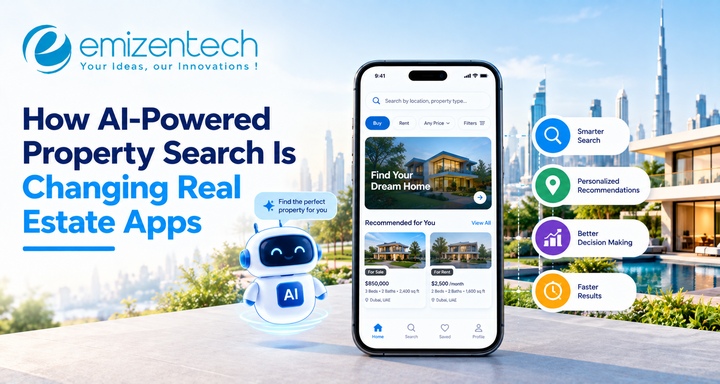
Searching for a home used to mean scrolling through pages of listings, adjusting filters over and over, and hoping the right property showed up. That process is changing fast. Real estate apps are increasingly relying on artificial intelligence to understand what buyers actually want, not just what boxes they check. This shift matters because traditional keyword and filter-based search often misses the nuance of buyer intent: someone searching for a "quiet family home near good schools" wants more than a filter for bedrooms and zip code. This article looks at how AI-powered search is reshaping property discovery and what it means for the apps buyers and agents rely on every day.
The Shift from Traditional to AI-Powered Property Search
Traditional property search relies on structured filters: price range, number of bedrooms, square footage, and location radius. These filters work, but they force buyers to translate their actual preferences into rigid categories, often missing listings that don't perfectly match the criteria but would still be a good fit. A buyer looking for a "walkable neighborhood with character" has no filter for that. AI-powered search changes this by interpreting intent rather than just matching data fields. Instead of forcing users to know exactly what to search for, AI systems learn from behavior, language, and context to surface properties that align with what someone is actually looking for, even when they can't fully articulate it themselves.
Key AI Technologies Powering Modern Property Search
A few core technologies are driving this shift, each solving a different piece of the property search puzzle.
Natural Language Processing (NLP)
Allows users to search using everyday language, such as "affordable homes near downtown with a backyard," instead of manually setting individual filters. NLP interprets the query and matches it against listing data.
Machine Learning Recommendation Engine Learn
from a user's browsing patterns, saved listings, and past searches to surface properties that match their preferences over time, similar to how streaming platforms recommend content.
Computer Vision
Analyzes property images to identify features like renovated kitchens, outdoor spaces, or natural lighting, enabling image-based search and more accurate listing categorization.
Predictive Analytics
Uses historical pricing and market data to forecast property value trends, helping buyers and agents understand whether a listing is priced fairly relative to the local market.
How AI-Powered Search Improves the Buyer Experience
Beyond the underlying technology, the real impact of AI shows up in how buyers actually experience the search process.
-
Personalized Property Recommendations – Instead of static search results, buyers see listings tailored to their behavior and stated preferences, refined continuously as they interact with the app.
-
Faster, More Relevant Results—AI narrows down large inventories quickly by prioritizing listings that closely match a buyer's intent, reducing time spent scrolling through irrelevant options.
-
Conversational & Voice Search – Buyers can describe what they want in natural sentences or even voice commands, making the search process feel more like a conversation than a form-filling exercise.
Benefits for Real Estate Businesses & Agents
AI-powered search doesn't only benefit buyers; it changes how real estate businesses and agents operate day to day. Real estate app development services can help integrate AI-driven search, recommendations, and automation into digital platforms.
-
Higher Lead Quality – AI filters out mismatched inquiries and connects agents with buyers whose intent aligns with available listings.
-
Reduced Time-to-Match—AI narrows the pool of relevant properties faster than manual browsing or basic filtering.
-
Data-Driven Market Insights – Agents get a clearer picture of buyer demand patterns and pricing trends in specific neighborhoods.
-
Better Resource Allocation – Agents can focus more time on serious buyers rather than sorting through unqualified leads.
Real-World AI Features in Real Estate Apps Today
Several AI-driven features have already become common in real estate platforms, showing how this technology is being applied in practice.
-
AI Chatbots – Answer buyer questions instantly and schedule viewings without requiring a live agent.
-
Virtual Tours with AI-Generated Staging—Allow buyers to visualize furnished spaces in empty properties.
-
Automated Valuation Models (AVMs) – Estimate property value using comparable sales, market trends, and property characteristics.
-
Smart Alerts – Notify users about new listings based on behavior patterns rather than only saved search filters.
Platforms like Zillow and Redfin have popularized some of these tools at scale, showing buyers what's possible when AI is built directly into the search experience rather than added as an afterthought.
What's Next: The Future of AI in Real Estate Apps
AI in real estate search is still evolving, and several developments are likely to shape the next phase of this technology.
-
Predictive Property Matching – Anticipates buyer needs before they actively search, based on life stage, location trends, or browsing history.
-
Hyper-Personalized Market Alerts—Go beyond price drops to include neighborhood development news, school rating changes, or local market shifts.
-
AI-Assisted Negotiation Tools – Help buyers and agents evaluate offers using real-time market comparisons and pricing trends.
-
Multimodal Property Search – Buyers will increasingly search using combinations of text, voice, and images, creating a more natural property discovery experience.
-
Connected End-to-End Experience – Deeper integration between virtual tours, AI staging, and financing tools.
Challenges in Implementing AI-Powered Search
Despite its advantages, integrating AI into property search comes with real challenges that businesses need to plan for.
-
Data Quality and Availability – AI is only as effective as the listing data it receives, and incomplete or outdated information can lead to poor matches and reduced trust in the platform.
-
Integration Complexity – Connecting AI tools with existing MLS, CRM, and property management systems can require significant development effort and ongoing technical coordination.
-
Privacy and Compliance—User behavior tracking and personalization must be balanced with privacy regulations, requiring careful handling of buyer data.
-
Maintaining Human Oversight – AI recommendations work best when paired with agent expertise, since buyers still value personal guidance for major decisions like purchasing a home.
Conclusion
AI-powered property search is changing how buyers discover homes and how real estate businesses connect with serious leads. From natural language search to predictive analytics, these technologies are making the process faster, more personalized, and less reliant on rigid filters. As adoption grows, real estate apps that incorporate AI thoughtfully without losing the human element of buying a home will likely set the standard for what users expect going forward. EmizenTech has been involved in building digital solutions that align with these emerging trends across the real estate industry.
FAQs
1. What is AI-powered property search?
AI-powered property search uses technologies like natural language processing and machine learning to understand buyer intent and match it with relevant listings, rather than relying solely on manual filters.
2. How does AI improve real estate app search results?
AI improves search results by learning from user behavior, interpreting natural language queries, and prioritizing listings that align with a buyer's actual preferences, leading to faster and more relevant matches.
3. Is AI replacing real estate agents?
No, AI is generally used to support agents by handling repetitive tasks like initial inquiries and lead qualification, while agents continue to guide buyers through decisions that require personal judgment and negotiation.
4. What features should a real estate app have in 2026?
Key features include AI-driven search and recommendations, virtual tours, automated valuation models, chatbots for instant support, and personalized alerts based on user behavior rather than static filters.