US to Impose 200% Tariffs on Imported Generic Medicines: US Pharma Trade Implications
Posted by Santosh Singh
Filed in Business 181 views
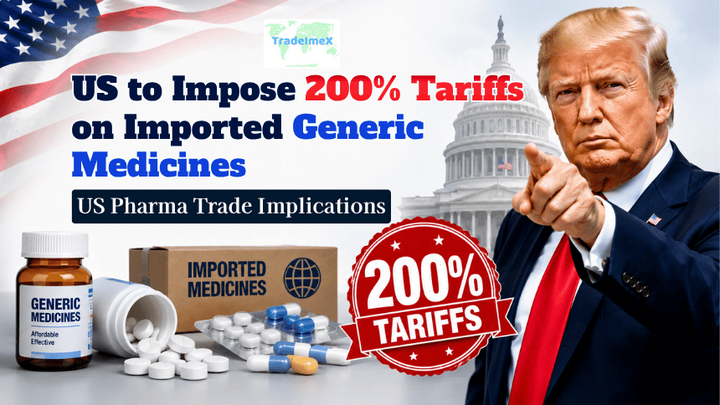
The global pharmaceutical industry is facing a major policy shift as the United States considers imposing 200% tariffs on imported generic medicines. The proposed measure, linked to the broader trade agenda of the Trump administration, could significantly reshape the American pharmaceutical market, increase supply chain pressure, and influence global medicine trade.
Generic medicines play a critical role in healthcare because they provide affordable alternatives to branded drugs. The United States depends heavily on overseas manufacturers for many active pharmaceutical ingredients (APIs), finished generic drugs, and essential medicines. Therefore, a major increase in import duties could have far-reaching consequences for pharmaceutical companies, healthcare providers, wholesalers, and consumers.
For businesses tracking global trade developments, examining US pharmaceutical import data and US import data will be essential to understand the potential impact of this policy.
What Are the Proposed 200% Tariffs on Generic Medicines?
The proposed US 200% tariffs on generic medicines would represent one of the most aggressive trade measures ever considered for pharmaceutical imports. A tariff of this scale could make imported generic drugs significantly more expensive for US-based buyers and importers.
The policy is part of a wider push to reduce dependence on foreign supply chains and encourage domestic pharmaceutical manufacturing. Supporters argue that increasing tariffs could motivate drug companies to build more production facilities in the United States. However, critics warn that the measure could increase medicine prices and create shortages if domestic production cannot quickly replace imported supplies.
The impact would depend on the final scope of the policy, including which medicines, countries, manufacturers, and pharmaceutical products are covered.
Why Does the US Depend on Imported Generic Medicines?
The United States has one of the world's largest pharmaceutical markets, but a significant portion of its medicine supply chain relies on international manufacturing. Many pharmaceutical companies source APIs, chemical ingredients, finished formulations, and packaging materials from countries across Asia, Europe, and other regions.
The main reasons for importing generic medicines include:
-
Lower manufacturing costs in overseas markets
-
Large-scale production capacity
-
Access to specialized pharmaceutical facilities
-
Global API and raw-material supply networks
-
Competitive pricing for healthcare providers and consumers
This dependence makes US pharmaceutical imports an important component of the country's healthcare system. Any major change in trade policy could affect the entire pharmaceutical supply chain.
Potential Impact of Trump Tariffs on the Pharmaceutical Industry
The proposed policy reflects the broader approach associated with Trump tariffs, which emphasizes domestic manufacturing, trade protection, and reducing reliance on foreign suppliers.
If pharmaceutical tariffs reach 200%, companies importing generic medicines may face dramatically higher costs. Importers could respond by:
-
Increasing domestic production
-
Searching for alternative suppliers
-
Negotiating lower prices with overseas manufacturers
-
Passing higher costs to distributors and healthcare providers
-
Restructuring international supply chains
The impact could vary depending on the type of medicine. Products with multiple global suppliers may be easier to source from alternative markets, while medicines with limited manufacturers could face serious supply challenges.
How Could US Pharmaceutical Imports Change?
The implementation of new US tariffs could significantly change the composition of generic medicine imports. Pharmaceutical companies may begin shifting sourcing strategies to avoid high tariff exposure.
Potential changes could include:
-
Increased pharmaceutical manufacturing in the United States
-
Greater sourcing from countries with lower tariff exposure
-
Expansion of regional manufacturing hubs
-
Higher investment in domestic API production
-
More pharmaceutical supply chain diversification
Companies will need to closely monitor customs records and trade statistics to understand how imports change after the policy is implemented.
Impact on the Pharmaceutical Supply Chain
The global pharmaceutical supply chain is highly interconnected. A finished medicine manufactured in one country may depend on raw materials or APIs produced in several other countries.
A 200% tariff could create disruptions at multiple stages:
Raw materials: Higher costs for imported pharmaceutical ingredients could raise manufacturing expenses.
Finished medicines: Importers may face significant cost increases when bringing completed generic drugs into the United States.
Distribution: Wholesalers and pharmaceutical distributors may experience higher procurement costs.
Healthcare providers: Hospitals and pharmacies could face rising prices or supply uncertainty.
Patients: If alternatives are unavailable, increased costs could eventually affect consumers.
The biggest concern is that tariffs may not immediately create new US manufacturing capacity. Building pharmaceutical facilities, receiving regulatory approvals, and developing reliable production systems can take years.
What Does US Pharmaceutical Import Data Reveal?
Analyzing US pharmaceutical import data provides valuable insights into the country's dependence on international medicine suppliers. Import data can help companies identify:
-
Major pharmaceutical exporting countries
-
Leading US pharmaceutical importers
-
Product categories imported into the United States
-
Shipment volumes and values
-
Supplier and buyer relationships
-
Ports used for pharmaceutical shipments
-
Trends in pharmaceutical trade
Businesses can also examine products under HS code 30, which broadly covers pharmaceutical products. This data can help importers, manufacturers, investors, and analysts understand the scale and direction of pharmaceutical trade.
For example, companies studying US import data can identify which countries supply specific pharmaceutical products and evaluate whether alternative suppliers may be available if tariffs increase.
Impact on US Pharmaceutical Importers
US pharmaceutical importers could be among the businesses most directly affected by the proposed policy. Importers may need to reassess their sourcing models and calculate the potential financial impact of new duties.
A 200% tariff could make some imported medicines commercially unviable. Importers may therefore consider:
-
Expanding supplier networks
-
Negotiating long-term contracts
-
Building inventory buffers
-
Finding domestic manufacturing partners
-
Exploring alternative country-of-origin strategies
-
Monitoring regulatory and trade policy developments
Importers that rely on a single overseas supplier may face greater risks than companies with diversified global supply networks.
Effect on the American Pharma Market
The American pharma market is highly competitive and includes major pharmaceutical companies, generic drug manufacturers, wholesalers, hospitals, pharmacies, and healthcare providers.
Higher import costs could produce different outcomes across the industry. Domestic manufacturers could benefit from reduced competition from overseas suppliers. However, healthcare companies that depend on imported generic medicines could experience higher operating costs.
The effect on consumers will depend on several factors, including:
-
The final tariff rate
-
The products covered by the policy
-
Domestic production capacity
-
Availability of alternative suppliers
-
Competition among pharmaceutical manufacturers
Generic medicines are particularly important because they help reduce healthcare costs. Therefore, any policy that increases the cost of these products could create concerns about affordability.
Pharmaceutical Trade Policy and Global Reactions
The proposed tariffs could also influence international pharmaceutical trade policy. Trading partners may challenge the measures or introduce retaliatory tariffs on US exports.
Countries that export pharmaceutical products to the United States may respond by:
-
Seeking exemptions
-
Negotiating trade agreements
-
Expanding exports to other markets
-
Supporting domestic pharmaceutical production
-
Reviewing their own tariff policies
The policy could therefore become part of a broader global debate about pharmaceutical independence, trade security, and access to essential medicines.
How Businesses Can Prepare
Pharmaceutical companies and importers should begin evaluating their exposure to potential pharmaceutical tariffs. A detailed analysis of supply chains can help companies understand which products and suppliers may be most vulnerable.
Businesses should consider:
-
Reviewing import volumes under HS code 30
-
Identifying major international suppliers
-
Tracking changes in tariff regulations
-
Comparing alternative sourcing countries
-
Monitoring pharmaceutical import trends
-
Analyzing competitor supply chains
-
Building more resilient procurement strategies
Reliable trade intelligence can help companies make faster decisions as US trade policy evolves.
The Future of US Pharma Trade
The proposed US 200% tariffs on generic medicines could mark a major turning point for US pharma trade. While the policy aims to strengthen domestic pharmaceutical manufacturing, its short-term consequences could include higher import costs, supply chain uncertainty, and pressure on medicine prices.
The future of the American pharmaceutical sector will likely depend on how policymakers balance domestic production goals with the need for affordable and reliable medicine supplies. As the debate continues, monitoring US pharmaceutical imports, pharmaceutical shipment trends, and global supplier networks will become increasingly important.
For pharmaceutical companies, investors, and US pharmaceutical importers, access to accurate trade intelligence can provide a competitive advantage. Detailed US pharmaceutical import data and broader US import data can help businesses identify market trends, evaluate supplier risks, and prepare for changes in the global pharmaceutical trade environment.
Ultimately, the success of this policy will depend on whether the United States can expand domestic pharmaceutical manufacturing quickly enough to reduce foreign dependence without creating major disruptions in the pharmaceutical supply chain.