Water Damage Cleanup: A Complete and Easy Guide for Homeowners
Posted by Any hour water fire
Filed in Business 314 views
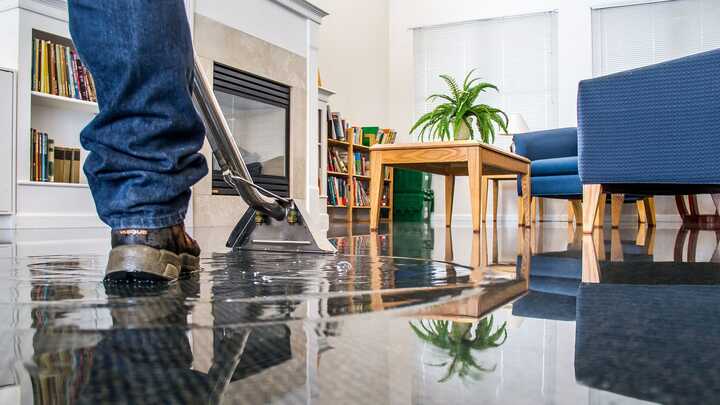
Water damage can happen when you least expect it. A pipe can burst in the middle of the night, heavy rain can flood your home, or a simple appliance like a washing machine can leak. No matter the cause, water damage can quickly become a serious problem. That is why water damage cleanup is very important.
What Is Water Damage Cleanup?
Water damage cleanup is the process of removing water from your home, drying all affected areas, cleaning everything, and fixing any damage. The main goal is to bring your home back to a safe and normal condition.
This process includes:
- Removing standing water
- Drying floors, walls, and furniture
- Cleaning and disinfecting surfaces
- Repairing damaged parts of the home
If you act fast, you can reduce damage and save money.
Common Causes of Water Damage
Water damage can come from many sources. Knowing the cause can help you prevent future problems. Here are the most common causes:
1. Broken or Leaking Pipes
Pipes can crack, burst, or leak over time. This is one of the most common causes of water damage.
2. Heavy Rain and Flooding
Strong rainstorms can cause water to enter your home through doors, windows, or the foundation.
3. Roof Leaks
A damaged roof can allow rainwater to drip into your home. This can damage ceilings and walls.
4. Faulty Appliances
Washing machines, dishwashers, and water heaters can leak if they are old or damaged.
5. Overflowing Toilets or Sinks
Blocked drains can cause water to overflow and spread across floors.
Why Water Damage Cleanup Is Important
You should never ignore water damage. Even a small leak can cause big problems over time. Here are the main reasons why water damage cleanup is important:
Prevents Mold Growth
Mold can start growing within 24 to 48 hours after water damage. It spreads quickly and can harm your health.
Protects Your Home Structure
Water can weaken wood, drywall, and floors. Over time, this can damage the structure of your home.
Saves Your Belongings
You can save furniture, carpets, and personal items if you clean and dry them quickly.
Keeps Your Home Safe and Healthy
Standing water can carry bacteria and create bad smells. Proper cleanup keeps your home clean and safe.
Step-by-Step Water Damage Cleanup Process
You can handle small water damage problems on your own if you follow these simple steps.
Step 1: Stay Safe
Your safety should always come first. Before you start cleaning:
- Turn off electricity if water is near outlets
- Wear gloves, boots, and protective clothing
- Avoid contact with dirty or contaminated water
If the situation looks dangerous, do not take risks.
Step 2: Stop the Water Source
You must stop the water before you begin cleanup. Find the source and fix it.
- Turn off the main water supply if a pipe leaks
- Repair broken appliances
- Block water entry during rain if possible
Stopping the source prevents further damage.
Step 3: Remove Standing Water
Remove water as quickly as possible. The longer water sits, the more damage it causes.
You can use:
- Buckets
- Mops
- Towels
- Wet/dry vacuum
Work fast to remove as much water as you can.
Step 4: Dry the Area Completely
Drying is one of the most important parts of water damage cleanup.
- Open windows and doors
- Use fans to increase airflow
- Use dehumidifiers to remove moisture
Make sure you dry hidden areas like under carpets and behind furniture.
Step 5: Remove Damaged Items
Some items may not be saved if they are badly damaged.
Remove:
- Wet carpets and rugs
- Damaged furniture
- Soaked insulation
- Broken drywall
This step helps prevent mold and bad smells.
Step 6: Clean and Disinfect
After removing water and damaged items, clean everything carefully.
- Use disinfectant cleaners
- Wash floors, walls, and surfaces
- Sanitize areas touched by dirty water
Cleaning removes bacteria and keeps your home healthy.
Step 7: Repair and Restore
Once everything is dry and clean, start repairs.
You may need to:
- Replace drywall
- Fix flooring
- Paint walls
- Repair ceilings
This step brings your home back to normal.
When Should You Call Professionals?
Sometimes, water damage is too big to handle alone. You should call experts if:
- The damaged area is large
- Water has been there for more than 24 hours
- You see mold growing
- The water is dirty or from sewage
- Your home has structural damage
Professional water damage cleanup services have special tools and training. They can handle serious problems safely and quickly.
Tips to Prevent Water Damage
You can take simple steps to avoid water damage in the future.
Check Plumbing Regularly
Look for leaks, cracks, or rust in pipes.
Fix Problems Quickly
Do not ignore small leaks. Fix them before they become big issues.
Clean Gutters and Drains
Blocked gutters can cause water to overflow into your home.
Install Water Alarms
Water leak detectors can alert you early.
Seal Cracks and Gaps
Close any openings in walls, windows, and foundations.
Maintain Appliances
Check hoses and connections of washing machines and dishwashers.
Common Mistakes to Avoid
Many people make mistakes during water damage cleanup. Avoid these errors:
Waiting Too Long
Delays can make the damage worse and harder to fix.
Not Drying Properly
Moisture left behind can cause mold growth.
Ignoring Hidden Water
Water can hide behind walls and under floors.
Using Wrong Cleaning Methods
Some chemicals can damage surfaces or fail to kill bacteria.
Keeping Damaged Items
Holding onto wet or moldy items can harm your health.
Health Risks of Water Damage
Water damage can affect your health if you do not clean it properly.
Mold and Mildew
These can cause allergies, coughing, and breathing problems.
Bacteria and Germs
Dirty water can carry harmful bacteria.
Bad Air Quality
Moisture can create unpleasant smells and unhealthy air.
Skin Irritation
Contact with contaminated water can irritate your skin.
Proper water damage cleanup keeps your home safe and healthy.
Tools You Need for Water Damage Cleanup
Having the right tools makes cleanup easier and faster.
Here are some useful tools:
- Wet/dry vacuum
- Fans
- Dehumidifiers
- Buckets and mops
- Towels
- Gloves and safety gear
- Cleaning and disinfecting products
These tools help you remove water, dry surfaces, and clean effectively.
Final Thoughts
Water damage can be stressful, but you can handle it with the right approach. Water damage cleanup is all about acting fast, staying safe, and following the correct steps.
Start by stopping the water source, remove standing water, dry everything completely, clean and disinfect, and then repair the damage. These steps can help you protect your home and your health.