How Concrete Pull Boxes Work in Underground Electrical Systems
Posted by Waskey Bridges
Filed in Business 456 views
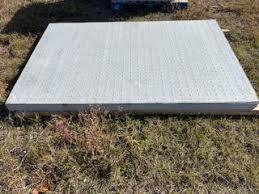
Underground electrical systems are very important in modern cities and towns. They help deliver electricity safely without using overhead wires. This makes areas look clean and reduces the risk of accidents caused by storms or falling lines. One important part of these underground systems is the concrete pull box.
Many people do not see these boxes because they are installed below the ground, but they play a very important role.
What Is a Concrete Pull Box?
A concrete pull box is a strong box made from reinforced concrete. Workers install it underground in electrical systems. It acts as an access point where electricians can pull, connect, and inspect electrical cables.
These boxes are usually placed along underground conduit systems. Conduits are pipes that carry electrical wires safely below the ground. Pull boxes make it easier to manage cables without digging up the whole system.
Why Do We Use Concrete Pull Boxes?
When workers install underground cables, they often need to run them over long distances. Pulling a cable through a long pipe can be very difficult. The cable can get stuck due to friction, bends, or length.
Concrete pull boxes solve this problem in a simple way. They divide the long cable path into smaller sections. This makes the work easier and safer.
Here are the main reasons why we use pull boxes:
- They make cable pulling easier
- They reduce stress and damage to cables
- They provide access points for maintenance
- They help in changing cable direction
- They save time and labor during installation
Without pull boxes, workers would have to dig up the ground again and again to fix or install cables.
How Concrete Pull Boxes Work
Concrete pull boxes work as connection and access points in underground electrical systems. Let’s understand their working step by step in a simple way.
1. Cable Runs Through Conduits
Electricians first install conduits underground. These conduits act like tunnels for electrical wires. The cables pass through these pipes safely.
2. Pull Boxes Are Installed at Key Points
Workers install pull boxes at important locations such as:
- At long straight cable runs
- Where the cable changes direction
- At junctions where cables meet or split
These locations help reduce difficulty during cable installation.
3. Cables Are Pulled Section by Section
Instead of pulling a cable through a very long pipe, workers pull it from one pull box to another. This makes the process much easier.
For example:
- First, they pull the cable from point A to the pull box
- Then from that pull box to the next point
This step-by-step method reduces effort and prevents cable damage.
4. Cable Management Inside the Box
Inside the pull box, workers can:
- Adjust cable position
- Join cables (splicing)
- Leave extra cable for future use
- Change cable direction
This makes the system flexible and easy to manage.
5. Easy Maintenance and Repair
If a problem happens, workers can open the pull box and fix the issue. They do not need to dig up the entire cable line. This saves time and cost.
Main Parts of a Concrete Pull Box
A concrete pull box has a simple but strong design. Let’s look at its main parts:
1. Concrete Body
The main structure is made from reinforced concrete. It is very strong and can handle heavy loads like soil pressure and traffic.
2. Openings for Conduits
The box has holes on its sides. These openings allow conduits to enter and exit the box.
3. Base or Bottom
Some pull boxes have an open bottom for drainage. Others have a solid base depending on the design.
4. Cover or Lid
The top of the pull box is covered with a lid. The lid can be made of concrete, steel, or composite material. It protects the cables and allows easy access.
5. Interior Space
The inside of the box provides enough room for workers to handle cables easily.
Types of Concrete Pull Boxes
Different types of pull boxes are used for different purposes. Here are the most common types:
1. Standard Pull Boxes
These are used in straight cable runs. They help workers pull cables over long distances.
2. Junction Boxes
These boxes are larger. Workers use them where cables are connected or split into different directions.
3. Handholes
Handholes are smaller versions of pull boxes. They are used in light-duty areas like homes or small buildings.
4. Heavy-Duty Pull Boxes
These are designed for roads, highways, and industrial areas. They can handle heavy traffic loads.
Installation Process of Concrete Pull Boxes
Proper installation is very important for good performance. Let’s look at the installation steps in simple words.
Step 1: Site Preparation
Workers mark the location and dig the ground to the required depth.
Step 2: Base Preparation
They add sand or gravel at the bottom. This helps in leveling and drainage.
Step 3: Placing the Box
Workers carefully place the concrete pull box into the hole. They align it with the conduits.
Step 4: Connecting Conduits
They connect the incoming and outgoing conduits to the box openings.
Step 5: Backfilling
Workers fill soil around the box and compact it properly to make it stable.
Step 6: Installing the Cover
Finally, they place the lid securely on top of the box.
Important Design Considerations
Engineers think about many factors when designing pull box systems:
1. Distance Between Boxes
If the cable run is long, more pull boxes are needed to reduce tension.
2. Cable Size
Large cables need bigger pull boxes for proper handling.
3. Load Conditions
In areas with heavy traffic, stronger boxes are required.
4. Drainage System
Proper drainage is important to prevent water from collecting inside the box.
5. Accessibility
Pull boxes should be easy to locate and open when needed.
Advantages of Concrete Pull Boxes
Concrete pull boxes offer many benefits in underground electrical systems:
1. High Strength
They can handle heavy loads and harsh environmental conditions.
2. Long Life
Concrete is very durable and lasts for many years.
3. Safety
They protect cables from damage, water, and external pressure.
4. Easy Maintenance
Workers can access cables quickly without digging large areas.
5. Cost Saving
They reduce repair and maintenance costs over time.
Common Applications
Concrete pull boxes are used in many areas:
1. Residential Areas
They help manage underground power supply for homes.
2. Commercial Buildings
They support organized electrical systems in offices and malls.
3. Roads and Highways
They are used for street lights and traffic signals.
4. Industrial Areas
They support heavy electrical systems in factories.
5. Communication Systems
They are also used for fiber optic and telecom cables.
Common Problems and Their Solutions
Even strong systems can face problems. Here are some common issues and how to solve them:
1. Water Inside the Box
Problem: Water collects inside the pull box
Solution: Provide proper drainage or install a sump system
2. Cracks in Concrete
Problem: The box gets damaged over time
Solution: Use high-quality materials and proper installation methods
3. Misaligned Conduits
Problem: Cables become hard to pull
Solution: Ensure correct alignment during installation
4. Too Many Cables
Problem: The box becomes overcrowded
Solution: Use larger boxes or better planning
Maintenance Tips
To keep concrete pull boxes working properly, regular maintenance is important:
- Inspect the box regularly
- Check for cracks or damage
- Remove water and dirt
- Ensure the cover is properly closed
- Check cable condition
Regular maintenance helps avoid big problems in the future.
Conclusion
Concrete pull boxes play a very important role in underground electrical systems. They make cable installation easier, reduce damage, and allow quick access for maintenance.
Even though they stay hidden underground, they help keep electrical systems safe, organized, and efficient. Without them, managing underground cables would be very difficult and expensive.