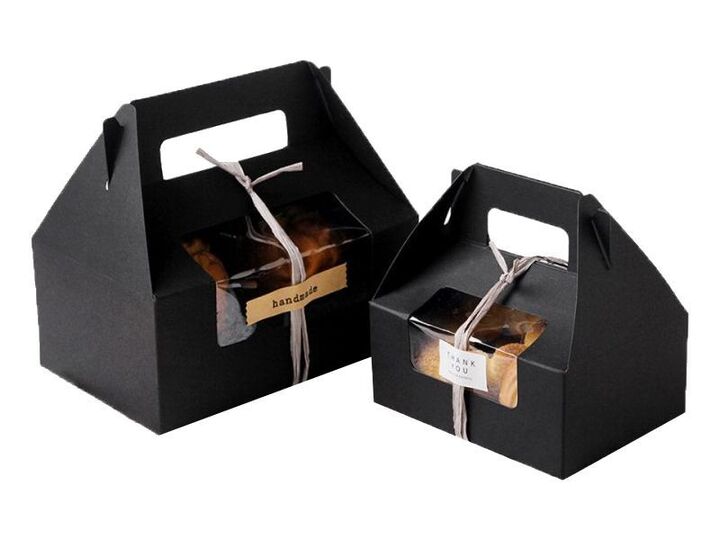
Sustainability has become a defining factor in packaging decisions across industries. Consumers are increasingly aware of environmental concerns, and brands are under pressure to reduce waste while maintaining quality and visual appeal. In this evolving landscape, gable packaging has emerged as a versatile solution that blends functionality, presentation, and eco-conscious materials.
Modern gable boxes are no longer limited to basic cardboard structures. They now reflect innovation in material science, responsible sourcing, and structural efficiency. When paired with a premium gable box design, sustainable materials can elevate both product protection and brand perception without compromising environmental responsibility.
Why Sustainability Matters in Gable Packaging
The shift toward eco-friendly packaging is driven by:
-
Growing consumer demand for environmentally responsible products
-
Regulations targeting single-use plastics and excessive waste
-
Retailers favoring recyclable and biodegradable packaging
-
Brands aiming to strengthen their ethical positioning
A well-executed premium gable box design does more than look attractive. It integrates sustainable materials that support durability, reusability, and recyclability while maintaining structural integrity.
Key Sustainable Materials Used in Modern Gable Packaging
1. Recycled Cardboard and Paperboard
Recycled fiberboard is one of the most widely used materials in eco-friendly gable boxes. It reduces reliance on virgin pulp and lowers carbon emissions during production.
Benefits include:
-
High recyclability
-
Strong structural support
-
Print-friendly surface for branding
-
Cost efficiency in bulk production
Many custom printed gable boxes are now manufactured using high percentages of post-consumer recycled content without sacrificing strength.
2. Kraft Paperboard
Kraft paper is a popular sustainable material known for its natural appearance and durability.
Why it works well for gable packaging:
-
Biodegradable and compostable
-
Tear-resistant and sturdy
-
Minimal chemical processing
-
Rustic and organic aesthetic
Kraft-based eco-friendly gable boxes are especially popular in bakery, takeaway, and gift markets where sustainability messaging plays a key role.
3. Corrugated Board with Recycled Fluting
For products requiring extra strength, corrugated board provides cushioning and durability. Modern corrugated gable boxes often use recycled fluting material.
Advantages include:
-
Shock absorption
-
Lightweight structure
-
Stackability for transport
-
Reduced damage during shipping
This makes corrugated material ideal for heavier food items, promotional kits, or retail products that require secure packaging.
4. Biodegradable Coatings and Laminations
Traditional plastic laminations reduce recyclability. Sustainable alternatives now include:
-
Water-based coatings
-
Plant-based laminations
-
Compostable barrier films
These innovations help maintain moisture resistance while ensuring the packaging remains environmentally responsible.
Such coatings are increasingly used in decorative gable gift packaging where visual appeal and surface protection are equally important.
Sustainable Inks and Printing Techniques
Material selection is only part of the sustainability equation. Printing processes also contribute significantly.
Modern sustainable printing includes:
-
Soy-based inks
-
Water-based inks
-
Low-VOC printing technologies
-
Digital printing to reduce material waste
Brands producing custom printed gable boxes can now achieve vibrant colors and intricate designs without compromising environmental goals.
Structural Efficiency in Sustainable Gable Boxes
Sustainability is not limited to material choice. Structural design plays a major role in minimizing waste.
Modern gable packaging emphasizes:
-
Minimal material usage without weakening structure
-
Flat-packed designs to reduce shipping emissions
-
Integrated handles to eliminate additional packaging components
-
Easy-fold systems that reduce assembly time
These features support resource efficiency while maintaining high aesthetic standards.
Reusability and Consumer Engagement
Reusable packaging adds long-term value and reduces waste. Many brands design gable boxes that consumers can repurpose for storage or gifting.
Reusable eco-friendly gable boxes offer:
-
Extended lifecycle
-
Enhanced brand recall
-
Functional storage solutions
-
Reduced disposal impact
When sustainability and thoughtful design align, packaging becomes more than a container—it becomes part of the product experience.
Sustainable Materials for Food Applications
Food-related gable packaging requires additional safety considerations.
Modern sustainable solutions include:
-
Food-grade certified paperboard
-
Grease-resistant biodegradable linings
-
Moisture-resistant plant-based coatings
-
Odor-free recycled materials
These materials ensure compliance with safety regulations while maintaining environmental responsibility.
Balancing Aesthetics with Environmental Responsibility
A common misconception is that sustainable packaging limits creative freedom. In reality, modern material innovations allow brands to create visually striking packaging while remaining eco-conscious.
Through embossing, debossing, foil alternatives, and textured paper options, brands can achieve sophisticated results in decorative gable gift packaging without relying on harmful materials.
The key is strategic material pairing:
-
Recycled board with premium finishes
-
Kraft paper with minimalist branding
-
Compostable coatings with bold typography
This balance strengthens both sustainability credentials and market appeal.
Cost Considerations in Sustainable Gable Packaging
Many businesses assume sustainable packaging is expensive. However, long-term cost benefits often outweigh initial investments.
Sustainable gable packaging can reduce costs through:
-
Lightweight materials lowering shipping expenses
-
Reduced material waste
-
Improved damage prevention
-
Positive brand perception increasing repeat purchases
Working with a knowledgeable custom packaging manufacturer helps optimize material choices for both environmental and financial efficiency. A reliable custom packaging manufacturer can recommend sustainable substrates tailored to specific product needs.
The Commercial Advantage of Sustainable Gable Packaging
Sustainability is no longer optional—it is a competitive advantage.
Brands that invest in sustainable gable packaging benefit from:
-
Stronger brand trust
-
Retailer preference
-
Regulatory compliance
-
Enhanced consumer loyalty
Modern buyers often associate responsible packaging with product quality. Sustainable packaging communicates care, transparency, and innovation.
The Future of Sustainable Gable Packaging
Looking ahead, sustainable packaging will continue evolving with:
-
Fully compostable structural materials
-
Carbon-neutral production processes
-
Smart packaging integration
-
Zero-waste design concepts
As environmental awareness grows, businesses that prioritize sustainable material selection will remain relevant and competitive.
Modern gable packaging demonstrates that durability, aesthetics, and sustainability can coexist. By choosing recycled substrates, biodegradable coatings, and responsible printing processes, brands can deliver packaging that protects products and the planet simultaneously.
Sustainable innovation is no longer just a trend—it is the new standard for responsible packaging development.