Printing and Finishing Techniques Used in Folding Cartons
Posted by Lara Walker
Filed in Other 860 views
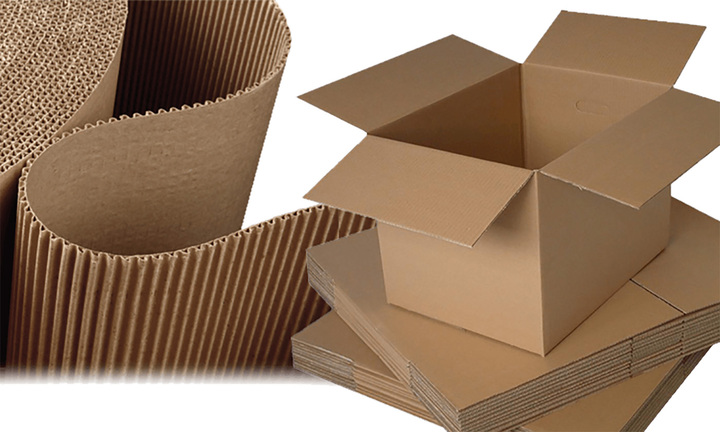
Folding cartons play a crucial role in modern retail and e-commerce packaging. They not only protect products but also communicate brand value through visual appeal, texture, and finishing quality. From cosmetics and pharmaceuticals to food and electronics, folding cartons are widely used due to their versatility and customization potential.
As competition increases across industries, brands rely heavily on advanced printing and finishing methods to enhance shelf presence, reinforce brand identity, and deliver a premium unboxing experience.
Importance of Printing in Folding Carton Packaging
High-quality printing transforms simple paperboard into visually engaging packaging. Printing is often the first interaction customers have with a product, making it a vital element of packaging strategy. A well-executed folding carton box design helps convey professionalism, trust, and product quality.
Modern printing technology allows precise color control, sharp graphics, and consistent results across bulk production runs. This level of detail is especially important in retail environments where products compete for attention.
Common Printing Techniques Used in Folding Cartons
Different printing methods are selected based on budget, order volume, and design complexity. The most commonly used techniques include:
Offset Printing
Offset printing is ideal for high-volume orders and delivers excellent image clarity. It supports detailed artwork, smooth gradients, and accurate color reproduction, making it suitable for printed folding cartons used in retail.
Digital Printing
Digital printing is best for short runs and rapid production. It allows easy customization and variable data printing, making it useful for seasonal packaging or limited-edition products.
Flexographic Printing
Flexography is commonly used for simple designs and large-scale production. It works efficiently on various substrates and is often used for cost-sensitive packaging applications.
Role of Finishing Techniques in Folding Cartons
Printing sets the visual foundation, but finishing techniques elevate packaging to a premium level. Finishing enhances durability, tactile appeal, and perceived value while supporting branding goals.
Lamination and Coating Options
Protective coatings extend the lifespan of cartons and improve surface appearance.
-
Gloss Lamination: Enhances color vibrancy and creates a shiny finish
-
Matte Lamination: Offers a soft, elegant look with reduced glare
-
Aqueous Coating: Eco-friendly and fast-drying option for surface protection
These finishes are often combined with eco-friendly carton packaging initiatives to balance aesthetics and sustainability.
Specialty Finishing Techniques for Premium Appeal
Advanced finishes are commonly used to create distinction in competitive markets:
Foil Stamping
Metallic foils add luxury and are often applied to logos, borders, or brand names. Gold, silver, and holographic foils enhance visibility and shelf impact.
Embossing and Debossing
These techniques add depth by raising or pressing elements into the carton surface. They improve tactile interaction and strengthen brand recognition.
Spot UV Coating
Spot UV creates contrast by highlighting specific design areas with a glossy texture over a matte background. It draws attention to key packaging elements.
Structural Finishing and Die-Cutting Techniques
Beyond surface treatments, structural finishing plays a major role in usability and product protection. Precision die-cutting enables unique shapes, windows, and opening mechanisms.
Common structural enhancements include:
-
Custom tuck-end closures
-
Auto-lock bottom designs
-
Window cut-outs for product visibility
-
Reinforced edges for added strength
These structural choices contribute to modern packaging solutions that balance functionality and visual appeal.
Sustainability Considerations in Printing and Finishing
Sustainability is increasingly influencing packaging decisions. Brands now prefer finishes and inks that align with environmental standards.
Key sustainable practices include:
-
Water-based inks
-
Recyclable coatings
-
Reduced plastic laminations
-
Efficient material usage
Combining sustainability with strong folding carton box design allows brands to meet regulatory requirements while maintaining premium aesthetics.
Industry Applications of Advanced Folding Carton Finishes
Different industries leverage printing and finishing in unique ways:
-
Cosmetics: Emphasis on luxury finishes and tactile appeal
-
Food Packaging: Focus on safety coatings and durability
-
Pharmaceuticals: Clear printing for compliance and readability
-
Electronics: Structural strength with minimalistic design
Each sector benefits from tailored printing and finishing strategies based on consumer expectations.
Choosing the Right Printing and Finishing Combination
Selecting the right combination depends on several factors:
-
Product type and weight
-
Target audience
-
Retail or shipping environment
-
Budget and order quantity
When aligned correctly, printing and finishing enhance functionality without unnecessary cost increases.
Final Thoughts on Folding Carton Enhancements
Printing and finishing techniques are no longer optional—they are essential components of effective packaging. They help brands communicate value, improve protection, and create memorable customer experiences. Strategic use of materials and finishes ensures packaging remains visually compelling and practical.
Businesses that invest thoughtfully in custom product packaging can achieve long-term brand consistency while adapting to evolving market demands. The right balance of design, printing, and finishing allows custom product packaging to support both marketing goals and operational efficiency.