How WaterAid India is Leading Sewage Treatment Awareness and Solutions in India
Posted by wateraid india
299 views
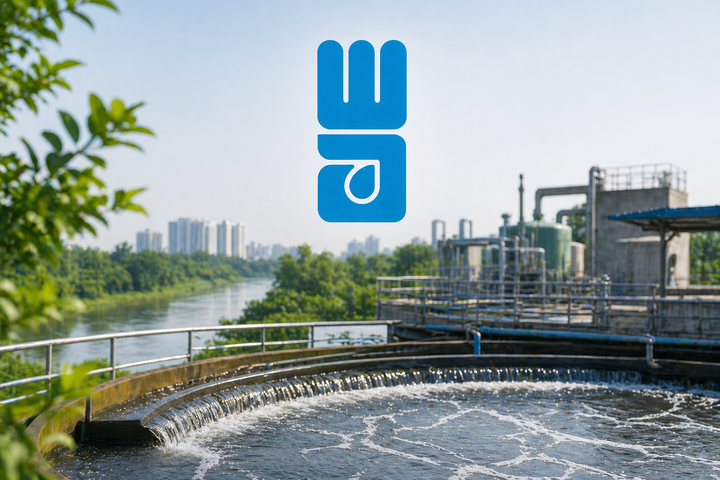
As India continues to urbanize rapidly, the challenge of managing wastewater is becoming increasingly urgent. Millions of litres of sewage are generated every day from households, industries, and institutions. Without proper treatment, this wastewater can contaminate water bodies, spread diseases, and damage ecosystems. Addressing this challenge requires not only infrastructure but also awareness, education, and community driven solutions areas where WaterAid India is making a significant impact.
Understanding the Need for Sewage Treatment
Sewage treatment is the process of cleaning wastewater so it can be safely reused or released into the environment. It involves multiple stages, including physical removal of solids, biological treatment using microorganisms, disinfection to eliminate harmful pathogens, and safe handling of sludge. While these processes are well established, access to effective sewage treatment systems remains uneven across India, particularly in smaller towns and rural areas.
Untreated sewage poses serious risks. It pollutes rivers and groundwater, contributes to the spread of diseases like cholera and typhoid, and harms biodiversity. In many regions, inadequate sanitation infrastructure means that wastewater is discharged directly into the environment. This makes it essential to not only expand treatment facilities but also promote awareness about safe wastewater management practices.
WaterAid India’s Role in Awareness and Education
WaterAid India has taken a proactive approach to bridge knowledge gaps around sewage treatment. One of its key contributions lies in simplifying complex concepts and making them accessible to a wide audience. Through animations, digital content, and easy-to-understand resources, the organization helps people understand how sewage treatment works and why it matters.
A notable initiative is the promotion of learning tools focused on Faecal Sludge Treatment Plants (FSTPs). These decentralized systems are especially useful in areas that are not connected to large sewer networks. By offering free, interactive certificate courses, WaterAid India enables students, community leaders, and practitioners to gain practical knowledge about wastewater treatment. This emphasis on education empowers individuals to become active participants in improving sanitation systems.
Promoting Decentralized and Sustainable Solutions
Beyond awareness, WaterAid India actively supports innovative and sustainable sewage treatment solutions. Recognizing that large scale infrastructure is not always feasible, the organization advocates for decentralized approaches that are cost effective and adaptable to local conditions.
One such solution is the Eco STP (Ecological Sewage Treatment Plant), which uses natural biological processes and gravity flow to treat wastewater with minimal energy consumption. This makes it an ideal option for communities seeking sustainable and low maintenance systems.
In addition, WaterAid India promotes greywater recycling, where relatively clean wastewater from kitchens and bathrooms is treated and reused for purposes like irrigation and cleaning. This reduces the demand for freshwater and lessens the burden on conventional treatment plants.
Simple technologies like leach pits and soak pits are also encouraged, especially in rural and flood prone areas. These systems provide practical ways to manage wastewater at the household level, ensuring safer disposal and reduced environmental impact.
Strengthening Public Health and Environmental Protection
The impact of improved sewage treatment goes far beyond waste management. By promoting safe sanitation practices, WaterAid India helps reduce the spread of waterborne diseases and improves overall public health. Clean water sources are protected from contamination, ensuring safer drinking water for communities.
Environmental benefits are equally significant. Properly treated wastewater prevents pollution of rivers, lakes, and soil, preserving ecosystems, and supporting biodiversity. As climate change intensifies water-related challenges, efficient wastewater management also contributes to climate resilience by helping communities adapt to changing conditions.
Empowering Communities Through Knowledge
A key strength of WaterAid India’s approach is its focus on community empowerment. By providing training and accessible resources, the organization equips individuals with the skills needed to design, operate, and maintain sewage treatment systems. This decentralized model encourages local ownership and ensures long term sustainability.
Communities that understand wastewater management are better positioned to demand improved services and hold local authorities accountable. This creates a ripple effect, where awareness leads to action and action leads to lasting change.
Collaboration for Scalable Impact
WaterAid India works in collaboration with government bodies, civil society organizations, and local stakeholders to scale its impact. By aligning its initiatives with national sanitation goals, the organization helps strengthen the overall framework for wastewater management in the country.
These partnerships are crucial for integrating innovative solutions into mainstream planning and ensuring that even underserved areas benefit from improved sanitation infrastructure.
Conclusion
WaterAid India’s efforts demonstrate that effective sewage treatment is not just about technology it is about awareness, education, and inclusive solutions. By simplifying complex concepts, promoting sustainable practices, and empowering communities, the organization is playing a vital role in transforming how India manages its wastewater.
As the country continues to grow, the need for safe and efficient sewage treatment will only increase. Through its leadership in awareness and innovation, WaterAid India is helping build a future where clean water, healthy environments, and resilient communities go hand in hand.