How Mobile to RC API Builds Trust in Digital Vehicle Platforms
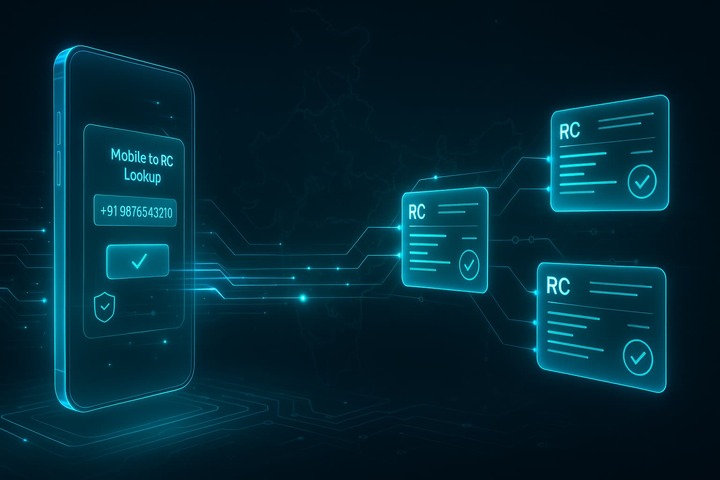
Trust is the foundation of every digital vehicle platform. Whether it is a used vehicle marketplace, a ride-hailing app, a fleet onboarding system, or a vehicle lending platform, users expect accurate vehicle details and genuine ownership validation. When platforms fail to verify vehicles properly, it leads to fraud, disputes, regulatory issues, and loss of user confidence. This is where the Mobile to RC API plays a critical role.
By retrieving vehicle Registration Certificate (RC) details using a mobile number, platforms can verify vehicles faster, reduce fake entries, and build long-term trust across their digital ecosystem.
Why Trust Is a Major Challenge for Digital Vehicle Platforms
Digital vehicle platforms operate at scale and often without physical verification. Sellers, drivers, or vehicle owners submit information remotely, making it easier for incorrect or fraudulent data to enter the system.
Common challenges include fake vehicle listings, impersonation, duplicate vehicle records, incorrect ownership claims, and outdated RC documents. Manual verification methods struggle to catch these issues consistently, especially as platform volumes grow. Mobile to RC verification helps close this trust gap by validating vehicle data at the source.
What Mobile to RC Verification Means
Mobile to RC verification allows platforms to fetch vehicle registration details using a mobile number. Instead of asking users to manually enter RC numbers or upload documents, the platform identifies vehicles linked to the mobile number from verified records.
This approach connects a trusted identifier—the mobile number—with official vehicle data, creating a stronger verification layer and reducing reliance on self-declared information.
How Mobile to RC API Works
The Mobile to RC API processes a mobile number and checks verified databases to identify vehicles associated with that number. Once matched, the API returns structured RC details such as registration number, vehicle class, fuel type, and registration status.
Because this process is automated and real time, it integrates smoothly into onboarding, KYC, listing creation, underwriting, or compliance workflows without slowing down the user experience.
Building Trust During User Onboarding
Onboarding is the first point where users decide whether a platform is reliable. Manual verification steps often create delays and still fail to prevent fake entries.
Mobile to RC API strengthens onboarding by validating vehicle details instantly using a mobile number. Genuine users are onboarded faster, while suspicious cases are flagged early. This improves trust while keeping onboarding friction low.
Improving Trust in Vehicle Listings and Profiles
In used car and bike marketplaces, buyers are often concerned about fake sellers or misleading vehicle information. Mobile to RC verification helps platforms confirm that a vehicle listed by a seller is genuinely linked to their mobile number.
Verified listings increase buyer confidence, improve inquiry quality, and reduce disputes after transactions. Over time, this builds a healthier and more trusted marketplace.
Reducing Fraud and Impersonation
Fraudsters may attempt to list vehicles they do not own or use unrelated mobile numbers to avoid traceability. Manual checks may not detect these inconsistencies reliably.
Mobile to RC API reduces fraud by validating the relationship between mobile numbers and vehicle records. If a mismatch is detected, the platform can block or review the case before damage occurs.
Strengthening Trust in Lending and Insurance Platforms
Banks, NBFCs, and insurance companies rely on accurate ownership verification for underwriting, policy issuance, and claims. Incorrect vehicle-to-owner mapping often leads to disputes and recovery challenges.
Mobile to RC verification ensures that the applicant’s mobile number is linked to the vehicle being financed or insured. This strengthens trust in fully digital lending and insurance journeys.
Supporting Fleet and Mobility Platforms
Fleet and ride-hailing platforms onboard vehicles from thousands of individual owners. Incorrect ownership or vehicle data can lead to compliance issues and accountability gaps.
Mobile to RC API helps ensure vehicles are mapped to verified owners, improving traceability, compliance, and operational control across fleets.
Improving Data Accuracy Across Platform Systems
Vehicle data is used across multiple systems such as billing, dispatch, analytics, compliance, and reporting. Duplicate or incorrect records create operational inefficiencies and weaken trust.
By validating mobile-to-vehicle relationships at the entry point, Mobile to RC API helps maintain clean and consistent vehicle data across all systems.
Enabling Scalable and Consistent Verification
Manual verification varies by reviewer, workload, and region. This inconsistency weakens trust standards as platforms scale.
Mobile to RC API enables uniform verification across all users and geographies. Automated checks ensure consistent trust levels even at high volumes.
Supporting Compliance and Audit Readiness
Regulatory requirements demand accurate and traceable vehicle records. Unverified or inconsistent data creates audit risk.
Mobile to RC verification improves traceability by ensuring vehicle records are backed by verified mobile associations, strengthening audit readiness and compliance confidence.
Enhancing Platform Reputation and User Confidence
When users know that a platform verifies vehicles properly, confidence increases. Trusted platforms attract more genuine users, reduce disputes, and see higher retention.
Trust built through strong verification becomes a long-term competitive advantage that is difficult to replicate.
Use Cases Across Digital Vehicle Platforms
Used vehicle marketplaces use Mobile to RC API to authenticate sellers. Fleet platforms use it to onboard verified vehicles. Mobility platforms use it to ensure ride-eligible vehicles.
Lending and insurance platforms rely on it to validate ownership during underwriting and claims. In every use case, Mobile to RC verification strengthens trust and reduces risk.
Future Role of Mobile to RC Verification
As vehicle transactions continue to move online, trust requirements will grow stricter. Automated verification tools like Mobile to RC API will become a baseline requirement rather than an optional feature.
Platforms that adopt this early will scale faster while maintaining credibility and compliance.
Conclusion
Mobile to RC API plays a vital role in building trust across digital vehicle platforms. By linking mobile numbers with verified vehicle registration data, it improves authenticity, reduces fraud, and strengthens user confidence.
For platforms focused on growth, reliability, and long-term success, Mobile to RC API is not just a verification tool. It is a foundational trust layer in the digital vehicle ecosystem.