When DNA Evidence Depends on a Laboratory Air Dryer
Posted by Air & Vacuum Process Inc
Filed in Business 248 views
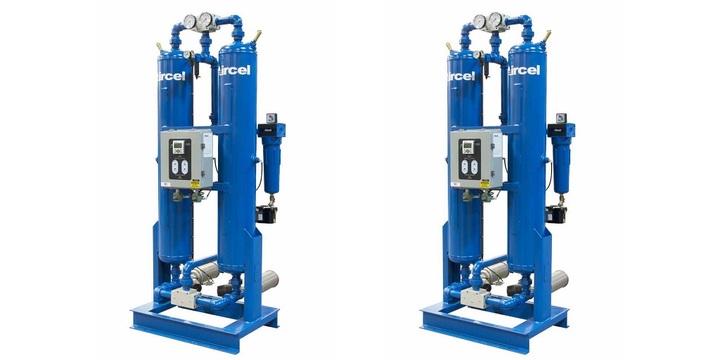
Nobody walks into a forensic lab and immediately looks at the compressed air system. They look at the DNA sequencers, the mass spectrometers, and the evidence storage. The laboratory air dryer sitting somewhere in the mechanical room gets about as much attention as the HVAC unit, which is to say, almost none, until something goes wrong. That's a problem.
DNA Doesn't Lie, But Humidity Will Destroy It
DNA is remarkably fragile stuff. It breaks down in moisture, reacts to contamination, and doesn't give you a second chance once it's degraded. The instruments forensic labs use to read it, PCR thermocyclers and capillary electrophoresis systems, are calibrated to incredibly tight tolerances, and humidity throws those tolerances off in ways that aren't always obvious at first. A compressed air dryer for laboratory use is what keeps moisture from riding through the compressed air lines and into those instruments in the first place.
Laboratory compressed air purity is actually subject to defined standards. ISO 8573 breaks it into cleanliness classes, and most forensic labs need to hit Class 1 or Class 2 for moisture. The dew point for laboratory air in these settings often needs to remain at -40°F or lower, especially when instruments are running samples back-to-back all day. A laboratory air dryer that can't reliably hit those numbers introduces contamination variables into results that might, at some point, need to be explained in court.
Which Laboratory Air Dryer Actually Fits a Crime Lab?
The type matters, and the options are actually pretty different from each other. A refrigerated air dryer laboratory setup handles most general lab applications well, pulling dew points down to the 35-50°F range. That works in many lab environments, but forensic analytical work often demands more. A desiccant air dryer lab setup can drive dew points to -40°F or colder, which is why they end up in environments where instrument air dryer specs are strict and there's no room for drift. In trace evidence and biological sample analysis, that kind of drift compounds across runs and eventually produces results that are hard to defend.
Membrane air dryer technology is a different animal altogether. A membrane air dryer laboratory installation operates without electricity during the drying process, making it genuinely useful for point-of-use applications where a full-power connection isn't practical. The catch is airflow capacity. Membrane dryers work better as part of a system than as the whole thing, so they're often a secondary stage rather than a standalone laboratory air dryer for a facility running heavy analytical volume.
Don't Wait for a Failed Sample to Ask About Your Laboratory Air Dryer
Forensic labs don't really get do-overs. A failed sample isn't a lost data point. It can mean a case falls apart, a prosecution gets delayed, or the lab's credibility takes a hit in court. When moisture from compressed air contaminates an instrument or degrades a biological sample, it usually doesn't look like a moisture problem at first. It looks like calibration drift, or user error, or a bad reagent batch. Laboratory equipment protection at the compressed-air level is the kind of thing that only becomes obvious after something has already gone wrong.
Getting the compressed air specifications right before anything goes in is worth the effort. Moisture-related failures are genuinely hard to trace to their source, which means they eat up time, delay case timelines, and raise questions that nobody in the lab wants to answer. Labs that sort their air quality systems out early, rather than retrofitting after a problem surfaces, rarely find themselves explaining instrument failures to investigators, attorneys, or accreditation auditors.
Facilities comparing laboratory air dryer options for forensic or scientific use can find specs and product information at Air & Vacuum Process.
For more information about Natural Gas Dehydrator and Zero Loss Drain Valve Please visit: Air & Vacuum Process Inc.