Why the Single-Tower Natural Gas Dehydration Unit Still Has a Place in Modern Gas Systems
Posted by Air & Vacuum Process Inc
Filed in Business 341 views
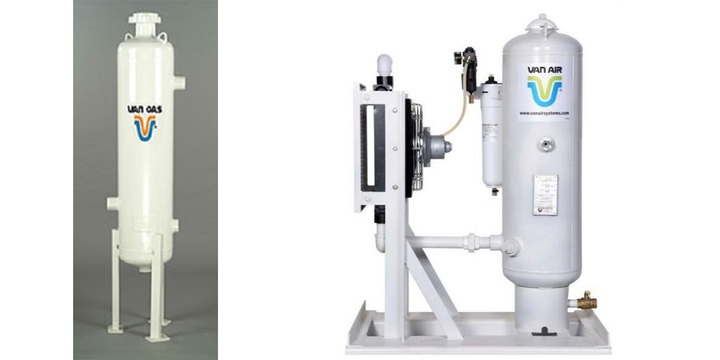
A natural gas dehydration unit does not always need to be complex to be effective. In many gas systems, especially those supporting fuel gas, instrument gas, or remote operations, simplicity is not a limitation—it is the design goal. This is where the single-tower pipeline dryer, often referred to as a PLD, continues to earn its role in modern gas handling.
Unlike larger multi-tower systems, this type of natural gas dehydration unit focuses on reliable moisture removal without relying on heat, electricity, or regeneration cycles. For operators balancing performance, compliance, and operational practicality, that distinction matters.
How a single-tower pipeline dryer works
A single-tower PLD uses deliquescent desiccants—solid materials that absorb water vapor and gradually dissolve into a brine solution. Wet gas flows downward through the desiccant bed. As moisture is absorbed, the desiccant converts to liquid and drains from the vessel for disposal.
There is no regeneration phase. There are no reboilers, pumps, or moving parts. Gas pressure alone drives the process. This design makes the natural gas dehydration unit inherently stable and well-suited for steady, low-to-moderate flow conditions.
Where this type of natural gas dehydration unit is commonly used
Single-tower pipeline dryers are often selected for applications where operational simplicity is more valuable than achieving extremely low moisture content.
Common installations include:
- Fuel gas supply systems for engines, heaters, and turbines
- Instrument gas systems where moisture control protects valves and controls
- Remote well pads and gathering sites without reliable power
- Biogas and landfill gas systems requiring basic dehydration before compression
In these environments, a compact natural gas dehydration unit can reduce corrosion risk, limit hydrate formation, and protect downstream equipment without introducing operational overhead.
Environmental and compliance considerations
One of the defining advantages of the PLD design is emissions control. Because there is no glycol regeneration, this type of natural gas dehydration unit produces no BTEX or VOC emissions. It also consumes no fuel gas and releases no methane through reboiler vents.
This has made deliquescent pipeline dryers attractive in regions with tightening environmental requirements or where emissions reporting must remain minimal. Programs such as Natural Gas STAR have documented significant reductions in methane and hazardous air pollutants when small glycol systems are replaced with desiccant-based units.
Role in hydrocarbon recovery and gas chilling
Single-tower pipeline dryers are also used upstream of gas cooling or chilling processes. By reducing water vapor to relatively low humidity levels before temperature reduction, the natural gas dehydration unit helps ensure hydrocarbons condense without free water forming.
This supports:
- Condensate recovery
- Protection of chillers and separators
- Stable operation during pressure and temperature changes
While not intended for ultra-dry pipeline specifications, the PLD provides sufficient dehydration for many pre-treatment applications.
Why this technology remains relevant
In an industry often focused on larger, more automated systems, the single-tower pipeline dryer serves as a reminder that reliability can come from restraint. A natural gas dehydration unit does not always need advanced controls to deliver value. In the right application, fewer components translate to fewer failure points and easier long-term operation.
For operators evaluating practical dehydration options, single-tower pipeline dryers continue to offer a balanced approach—effective moisture removal, low maintenance demand, and strong environmental performance.
Single-tower pipeline dryers and related gas-handling equipment are available from Air Vacuum & Process Inc. Those reviewing options for a natural gas dehydration unit can find additional technical information on their website or reach out directly at sales@airvacuumprocess.com for application-specific guidance.
For more information about Air Compressor Desiccant Dryer and Mini Air Compressor Please visit: Air & Vacuum Process Inc