Glass Pipes Are Showing Up in Art Collections, Not Just Smoke Shops
Posted by WNC CBD
164 views
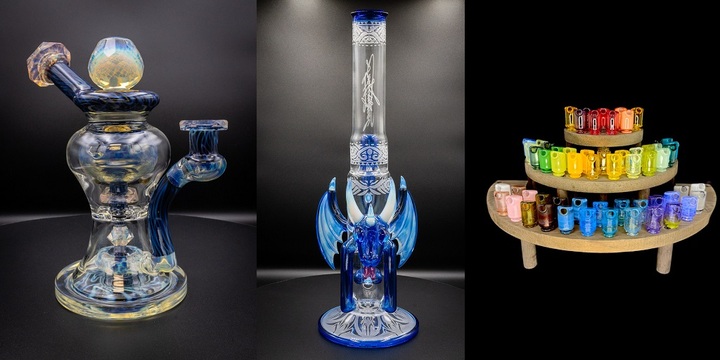
Something has changed in how people think about glass pipes. Collectors who once focused on ceramics, bronzes, or studio glass are paying close attention to functional work in a way they weren't ten years ago. Artists trained in traditional glassblowing programs are dedicating serious studio time to pieces that happen to be smokeable, and the buyers following them aren't always doing so because they use those pieces. They're buying for the craft. The market has been moving in this direction for a while, and it's reached a point where the conversation about functional art collecting no longer sounds niche.
What's Actually Behind the Rise of Collectible Glass Pipes?
Borosilicate glass pipes pushed things forward. The material, the same one used in scientific lab equipment and quality cookware, handles thermal stress in a way soft glass simply can't match. It doesn't crack under rapid temperature changes, it holds fine surface detail that would blur or soften in cheaper materials, and it accepts color work that stays vivid through years of regular handling.
Hand blown glass pipes made from borosilicate give artists room to work in forms that seem physically improbable. Individually raised scales on a reptile body. Dragon anatomy sculpted around a fully functioning water chamber. Glass pipe designs at this level require years of technical development to execute, and the finished pieces make that obvious without anyone having to explain it. A collector picking one up isn't registering it as a smoking accessory first. They're responding to someone's complete command of a notoriously difficult medium, and that's the same thing that draws people to studio pottery or cast bronze.
When Did Glass Pipes Start Appearing Next to Studio Ceramics?
The crossover into design and collector culture didn't arrive through a single moment. Water pipes and dab rigs from recognized glass artists started appearing in design publications alongside handmade furniture and studio ceramics, sometimes in the same feature. Collectors who'd spent years acquiring tobacco pipes from estate auctions started picking up borosilicate work because the sensibility transferred.
The same interest in material quality, visible craft, and the specific hand of a maker applied equally. Glass pipes carry something that most functional objects don't: every finished piece reflects the exact decisions of one artist on one particular day at one torch. There's no industrial stage, no CAD model sent to a machine, no batch of two thousand identical units coming out of a mold. Glass pipe designs from working artists are already sitting in private collections next to bronzes and clay work, and they're not out of place there. Not even close.
Where Do You Actually Find Glass Pipes Worth Adding to a Collection?
The pieces that matter don't live in mass retail. They move through artist relationships, regional shops with direct ties to makers, and word of mouth among buyers who already know the work. A piece worth owning isn't sitting in a warehouse queue waiting to ship. Finding glass pipes worth collecting means finding a source that has done the actual vetting work, not just stocked volume and let buyers sort it out. Pipe cleaning tools and proper care supplies are part of that equation too. Anything worth keeping long-term is worth maintaining correctly, and the collectors treating it that way are the ones whose pieces hold up.
For those in the American Southeast, WNC in Asheville works directly with artists like Karma, Robertson, Scoz, JDZ, and Anthony Roe. They source work firsthand, build direct relationships with makers, and hold glass pipe designs to the same standard they'd apply to anything meant to outlast a passing interest.
For more information about THCa Diamonds and THCa bundles Please visit: WNC CBD.