How Accelerated Nursing Courses Change the Way Students Learn From Clinical Experience
Posted by Sovereign School of Nursing
124 views
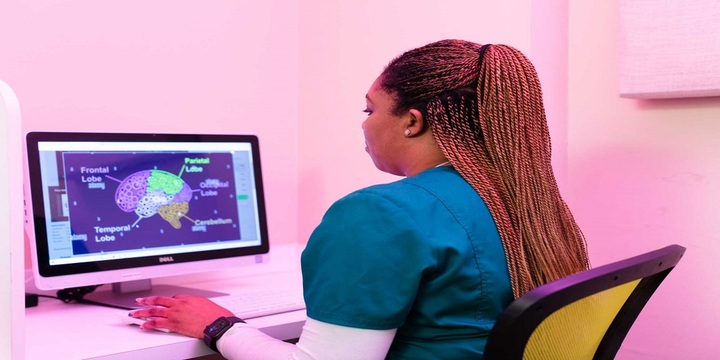
Learning nursing in a classroom provides students with the knowledge required to understand patient care, but clinical experience introduces a different kind of learning. A patient does not always respond exactly as expected, and situations can change while a student is still deciding what to do next. In accelerated nursing education, this connection between theory and practice can become particularly important because the curriculum is delivered within a much shorter and more intensive period. Accelerated Nursing Courses therefore give students opportunities to apply what they learn while their classroom knowledge is still developing, making clinical experience an important part of the learning process.
Learning Becomes More Connected to Real Situations
In a conventional classroom, a student may learn about symptoms, procedures and patient conditions as separate areas of study. Clinical practice brings these elements together in ways that cannot always be anticipated. A student may observe a patient's condition, communicate with the person, review relevant information and then consider how the knowledge learned in class applies to that particular situation. Furthermore, because accelerated programs often introduce clinical experiences early and maintain an intensive schedule, students may repeatedly move between academic learning and practical application.
Clinical Experience Encourages Adaptability
One of the differences between learning from a textbook and learning from patients is that real situations rarely follow a perfectly predictable sequence. A student may have to adjust communication, reconsider an approach or seek guidance from an instructor when circumstances change. Nevertheless, these moments can become valuable learning experiences because students begin to understand that nursing involves observation and judgement as well as knowledge of procedures. Research into the experiences of students in accelerated nursing programs has also described the adjustment to new equipment, physical demands, time patterns and ways of relating to people within a condensed learning period.
Reflection Helps Experience Become Knowledge
Simply completing a clinical activity does not necessarily mean that the experience has been fully understood. Students may benefit from considering what they observed, why a particular approach was taken and what they might do differently in another situation. Simulation and clinical learning can also provide opportunities for feedback and reflection before students encounter similar situations in patient care. Therefore, the value of clinical experience lies not only in the number of hours spent in a healthcare setting but also in how thoughtfully those experiences are reviewed afterwards.
Previous Experience Can Shape Clinical Learning
Many students entering accelerated nursing programs already hold a degree in another field and may bring previous academic, professional or personal experiences with them. These experiences do not replace nursing knowledge, but they can influence how a student approaches communication, problem solving and unfamiliar situations. Accelerated programs are specifically designed to build on previous educational experiences while preparing students for entry into nursing.
Take Away
Clinical experience can change the way nursing students understand what they have learned because real patient situations require knowledge to be observed, interpreted and applied rather than simply remembered. In Accelerated Nursing Courses, this process can be particularly immersive due to the condensed nature of the curriculum. When classroom learning, clinical practice, reflection and feedback are brought together, students can gradually develop a deeper understanding of nursing and become better prepared to respond thoughtfully to the realities of patient care.
For more information about Nursing School In Florida and Advanced Healthcare Training Florida Please visit: Sovereign School of Nursing.