Renter or Homeowner, a Baseboard Heater Replacement Looks Different for Each
Posted by Eheat Inc
143 views
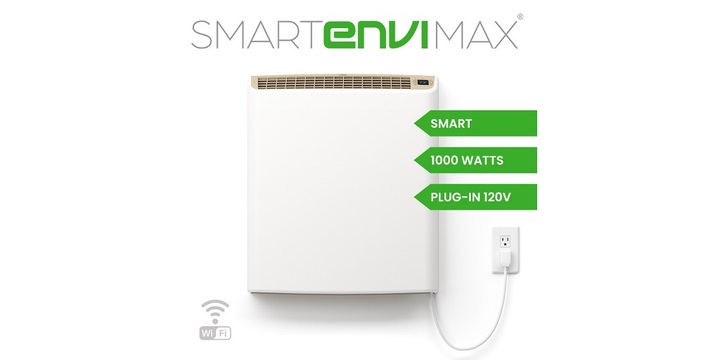
Baseboard heater replacement has a reputation for being a contractor job. New wiring, permits, a hardwired unit bolted to the wall. For a long time, that description ruled out anyone renting a place. You couldn't touch the wiring, couldn't claim the walls, so the original heater stayed regardless of how inefficient or outdated it had become. Most people just plugged in a space heater and called it done. Electric panel heaters now come in configurations that work for both, though the experience looks completely different depending on whether you own the place.
No Electrician, No Landlord Drama
Plug-in wall mounted heaters solve the renter's problem. An Envi plug-in panel heater mounts low on the wall using standard anchors, with a cord running to an existing 120V outlet. No new wiring, no electrician. For most renters, that means the conversation with the landlord stays short.
Baseboard heater replacement this way still delivers a meaningful heater upgrade. The plug-in Envi runs on pure convection, which means no fan, no moving parts, and energy efficient heating that costs pennies per hour to operate. Compared to the baseboard unit already in the room, the difference shows up on the utility bill as much as it does in comfort. Renters in older buildings with drafty rooms have found that a single wall mounted heater positioned near the cold spot handles far more than the original baseboard did across the whole room.
Panel heater installation takes under 30 minutes. The wall anchors patch like any small hole when you move out, and the cord comes with you, so the unit leaves no trace.
A Homeowner's Baseboard Heater Replacement Can Go Further
Homeowners have the option to do this properly. A hardwired Envi connects directly to the electrical system, sits flat against the wall with no visible cord, and doesn't rely on outlet availability. In a bedroom or finished basement, hardwired electric panel heaters just look right.
The baseboard heater replacement process still requires a licensed electrician for the wiring connection, but the panel heater installation on the wall is a separate step that goes quickly. Once it's in, you're done. No annual maintenance, no filter changes, no moving parts to wear out. For homes with 220V baseboard systems, common in older Northeast construction, Envi makes a 220V hardwired model that drops directly into the existing circuit.
Homeowners absorb the full utility cost. Energy efficient heating becomes a much bigger factor when no one else is covering any of the bill. Replacing electric baseboard heaters in two or three rooms can realistically cut the heating portion of the electric bill by 30 to 55 percent, making it one of the more practical heating system replacement decisions a homeowner can make.
One Thing Both Renters and Homeowners Agree On
Old baseboard units tend to heat unevenly, run warm enough to be a real concern, and take up floor space that dictates furniture placement throughout the room. Electric baseboard alternatives like wall panel heaters eliminate all three of those issues. Furniture can sit directly below a panel heater without restriction, and the surface stays cool enough that children and pets can brush against it without injury. Older baseboard units also collect dust along the floor and can scorch nearby drapes, neither of which is a concern with a wall panel heater.
Any baseboard heater replacement in this category also gets rid of the ticking and clicking that older units make as the metal expands. That tends to show up in reviews before efficiency numbers even do.
Eheat carries the full Envi lineup, which is worth checking before committing to a baseboard heater replacement.
For more information about Electric Room Heaters and Plug In Wall Heater Please visit: Eheat, Inc.