Your Employer Won't Cover the Heat. Electric Room Heaters Will.
Posted by Eheat Inc
151 views
Remote work isn't going anywhere. By 2026, roughly a third of the U.S. workforce works from home at least a few days a week, and most of those people are heating an entire house just to stay comfortable at one desk. That's a significant amount of energy burned for a single room. Central heating systems weren't designed with a single-room workday in mind. Electric room heaters cut that equation down: you heat where you actually are, not the whole property, and your utility bill reflects the difference.
Electric Room Heaters Don't Heat Empty Bedrooms. Your Thermostat Does.
Central heating doesn't know where you are. You set the thermostat, the system kicks on, and every room warms up whether someone's in it or not. For a home office worker spending eight or more hours at a single desk, that's a lot of wasted output going to empty bedrooms, hallways, and bathrooms nobody's using during the workday. Portable electric heaters work on a different logic. You plug one in, it heats the room you're using, and nothing else runs.
A good space heater can raise the temperature of a mid-sized room within minutes, which means no pre-heating an entire building just for a 9 AM start. Electric room heaters give you that kind of targeted control, and the cost difference shows up fast. Home heating costs jumped around 14% for electricity users this past season, so pointing your heat at one room rather than broadcasting it across every square foot you own is a practical call right now.
Your Home Office Has a Type. Here's the Electric Room Heater That Matches It.
There are a few main types worth knowing about. Infrared heaters emit radiant heat that warms people and objects directly, without needing the air temperature to climb first. That makes them particularly effective in drafty rooms or spaces with high ceilings. Convection heaters work differently: they heat the air, which then circulates and builds a more even ambient temperature over time.
For a home office, the choice comes down to how you actually work. If you sit in one spot for long stretches, a radiant heater pointed at your desk keeps you comfortable without running at full output all day. If you move around or share a larger space, a convection model makes more sense. Energy-efficient heaters in both categories now include programmable thermostats and auto-shutoff features, so you're not burning power while you're away from your desk. Electric room heaters have gotten a lot smarter in recent years. Small electric heaters that used to run at one fixed wattage now modulate output based on room temperature, cutting energy use without cutting warmth.
Electric Room Heaters Are the Part of Your Home Office Setup That Actually Pays You Back
The home office is already the thing your employer doesn't fund: the desk, the chair, the monitor, the good lamp. Adding a heater to that list might feel like one more out-of-pocket expense, but this one actually works in your favor. Running a small electric heater in one room costs a fraction of what central heating costs to achieve the same warmth. A typical 1,500-watt space heater running six hours a day costs roughly $1 to $2 at average electricity rates. Compare that to what's spent heating an empty house while you sit at one desk.
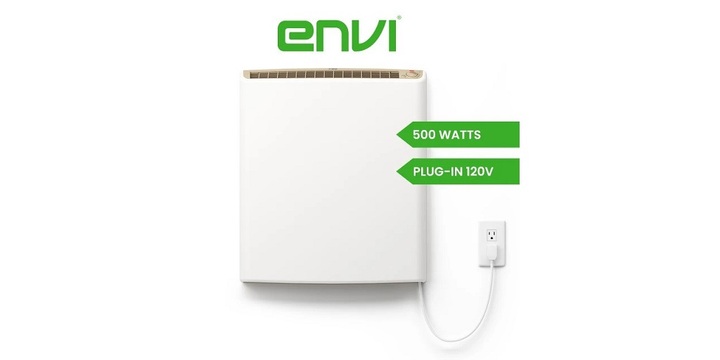
People comparing room heating solutions for a home office will find options across every category: infrared, convection, even compact panel heaters that mount on the wall and free up floor space entirely. The right pick depends on the room, your work habits, and what you're currently spending on heating. If you want to start somewhere focused, Eheat builds electric room heaters specifically designed for this kind of targeted use: consistent warmth, family-safe operation, and no forced air cycling through a room where you're trying to get work done.
----------------------------------------------------------
For more information about Plug In Heater and Baseboard Heater Replacement Please visit: Eheat, Inc.