How To Implement A Safety Management System In the Workplace
Posted by Muhammad Tahir
Filed in Technology 340 views
How To Implement A Safety Management System In the Workplace
A safe workplace does not happen by chance. It is the result of clear planning, defined responsibilities, regular monitoring, and consistent action. Many organizations start with safety rules and posters on walls, but without a structured process, those rules often fail to translate into daily practice. Incidents go unreported, inspections are missed, and risks remain unnoticed until an accident occurs.
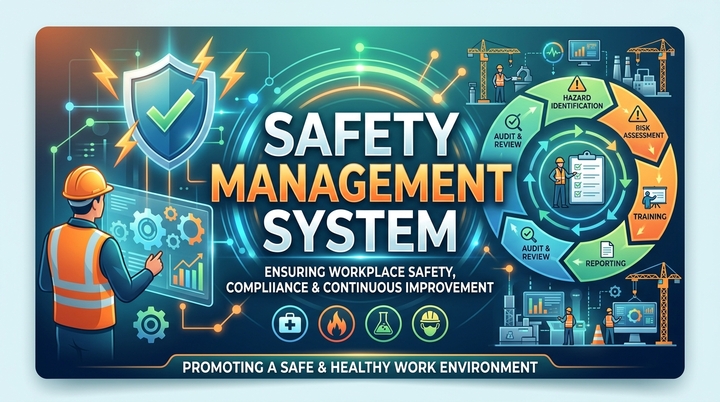
A safety management system provides a practical structure that connects policies with real actions. It helps teams identify hazards, report issues, conduct inspections, maintain records, and review performance in a systematic way that everyone in the workplace can follow.
Safety Management System Meaning in Practical Use
A safety management system is a planned framework used to manage workplace safety through
- Hazard identification
- Risk control measures
- Incident reporting
- Safety training
- Regular inspections and audits
- Performance reviews
Many organizations align their approach with guidance from the Occupational Safety and Health Administration and standards from the International Organization for Standardization such as ISO 45001.
Step One Review Current Safety Practices
Start by assessing how safety is currently handled in your workplace.
- How hazards are reported
- How incidents are recorded
- How inspections are performed
- Where safety documents are stored
- How employees receive safety training
This review highlights gaps that your safety management system must address.
Step Two Get Leadership Support
Leadership involvement is essential for success. Management should
- Allocate resources for safety improvements
- Communicate the importance of safety to all employees
- Assign clear responsibilities
When leaders take safety seriously, employees follow the example.
Step Three Create a Clear Safety Policy
Develop a written safety policy that explains
- Commitment to employee safety
- Roles of supervisors and workers
- Goals for reducing workplace risks
This policy becomes the foundation of your safety management system.
Step Four Identify Hazards in Each Area
Walk through the workplace and identify hazards such as
- Slippery floors
- Exposed wiring
- Poor lighting
- Unsafe equipment use
- Chemical exposure
Record these hazards and evaluate the level of risk they present.
Step Five Conduct Risk Assessment
After identifying hazards
- Rate the severity of each risk
- Define control measures
- Assign responsibility for corrective action
- Maintain a risk register for tracking
This prevents incidents before they occur.
Step Six Define Safety Procedures
Create procedures for
- Incident reporting
- Emergency response
- Equipment inspection
- Use of protective gear
- Maintenance checks
Clear procedures ensure everyone follows the same method.
Step Seven Assign Roles and Responsibilities
A safety management system works best when roles are clear.
- Employees report hazards
- Supervisors conduct inspections
- Safety officers review incidents
- Management monitors performance
Clear roles prevent delays and confusion.
Step Eight Train Employees
Training should cover
- How to report unsafe conditions
- How to follow safety procedures
- Proper use of equipment
- Emergency actions
Regular training keeps safety knowledge fresh.
Step Nine Start Recording Incidents and Inspections
Begin using the system actively.
- Record every incident and near miss
- Maintain inspection logs
- Track corrective actions
- Update risk records regularly
Consistent record keeping builds a useful safety history.
Step Ten Monitor Performance Regularly
Review safety performance through
- Monthly safety meetings
- Incident trend analysis
- Inspection completion rates
- Employee feedback
Monitoring shows where improvement is needed.
Step Eleven Conduct Internal Safety Audits
Internal audits check whether procedures are being followed.
- Verify records
- Review inspections
- Check training coverage
- Confirm risk controls are working
Audits help identify gaps early.
Step Twelve Take Corrective Actions Promptly
When issues are identified
- Assign corrective tasks
- Set deadlines
- Track completion
- Review effectiveness
This continuous action improves workplace safety.
Step Thirteen Maintain Proper Documentation
Keep organized records of
- Safety policy and procedures
- Incident reports
- Inspection checklists
- Training records
- Audit findings
Documentation is essential during external inspections.
Common Challenges During Implementation
You may face challenges such as
- Employee resistance to new practices
- Inconsistent reporting habits
- Lack of awareness
- Delays in corrective actions
Address these with communication and regular training.
Benefits of a Safety Management System
After proper implementation, organizations notice
- Reduced workplace incidents
- Better compliance during inspections
- Increased employee awareness
- Faster response to hazards
- Organized safety records
These improvements create a safer work environment.
Practical Example in the Workplace
If a worker notices oil spilled on the floor
- The worker reports the hazard
- The issue is recorded
- Maintenance is assigned the task
- The spill is cleaned quickly
- The record is kept for future reference
This simple process prevents accidents.
Signs Your Safety Management System Is Effective
- Employees report hazards without hesitation
- Inspections happen on schedule
- Fewer incidents occur over time
- Safety records are easy to access
- Management reviews safety data regularly
Final Thoughts
Implementing a safety management system in the workplace creates a structured way to manage hazards, incidents, inspections, and training. With leadership support, clear procedures, employee involvement, and consistent monitoring, safety becomes part of everyday work rather than an afterthought.
Aligned with recognized guidance and standards, a safety management system helps protect employees, maintain compliance, and build a culture where workplace safety is a shared responsibility across the organization.