How Long Does It Take Absorbable Sutures to Dissolve in Veterinary Soft Tissue Healing
Posted by Napollo Software
Filed in Health 469 views
Successful post-surgical healing depends on more than just proper incision techniques. In veterinary soft tissue surgery, the selection of suture material directly affects wound stability, inflammation control, and overall recovery. One of the most common clinical questions is how long does it take absorbable sutures to dissolve, as this directly relates to healing timelines and tissue support.
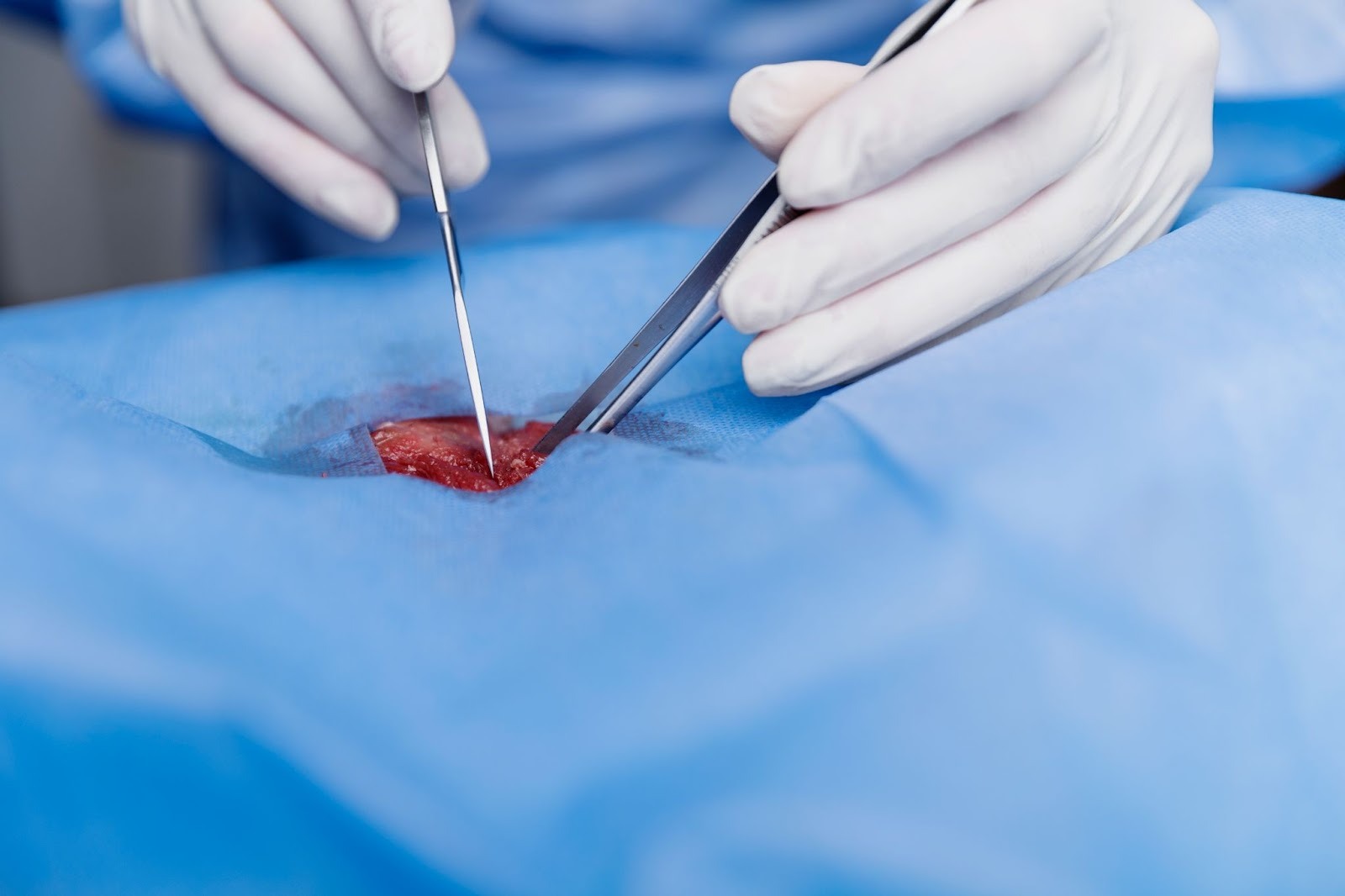
Absorbable sutures are widely used across veterinary procedures because they provide temporary support and then naturally degrade, eliminating the need for removal. Understanding how these sutures behave within tissue helps veterinary professionals make informed surgical decisions.
Role of Absorbable Sutures in Soft Tissue Surgery
Absorbable sutures are designed to maintain tissue approximation during the initial phases of healing and then gradually break down once the tissue regains sufficient strength. This makes them ideal for internal closures where removing sutures would require additional intervention.
When considering how long does it take absorbable sutures to dissolve, it is important to understand that different materials degrade through different mechanisms.
Synthetic absorbable sutures such as PGA, PGCL, and PDS degrade through hydrolysis, where water molecules break down the polymer chains. This process is predictable and typically results in minimal tissue reaction.
Natural absorbable sutures, such as chromic catgut, degrade through enzymatic processes, where the body’s enzymes break down the collagen material. This process may vary depending on the patient’s condition and tissue environment.
Wound Healing Phases and Suture Performance
To better understand how long does it take absorbable sutures to dissolve, it is helpful to align their performance with the phases of wound healing.
Inflammatory Phase (Days 1–5)
Immediately after surgery, the body initiates an inflammatory response. During this stage, sutures provide nearly all the tensile strength required to keep the wound closed.
Proliferative Phase (Days 5–14)
New tissue formation begins, and collagen production increases. Sutures continue to provide support as the wound gradually gains strength.
Remodeling Phase (After 2 Weeks)
Tissue strength continues to improve, and absorbable sutures begin losing their tensile strength and eventually dissolve. The timing of this process answers the question of how long does it take absorbable sutures to dissolve, which varies depending on the material used.
Absorbable Suture Materials and Dissolution Timeline
Different materials have different absorption profiles, which directly impact how long does it take absorbable sutures to dissolve.
PGA (Polyglycolic Acid)
PGA sutures typically begin losing strength within the first few weeks and are fully absorbed within 60 to 90 days. They are widely used for general soft tissue procedures due to their reliability.
PGCL (Polyglycolide-co-Caprolactone)
PGCL sutures offer slightly longer support and are absorbed within 90 to 120 days. Their monofilament structure also reduces infection risk.
PDS (Polydioxanone)
PDS sutures provide long-term support and can take approximately 180 to 210 days to fully dissolve. They are ideal for slow-healing tissues such as fascia or body wall closures.
Chromic Catgut
Chromic catgut maintains strength for around 15 to 20 days, with full absorption occurring within 90 to 120 days. However, the exact timeline may vary depending on enzymatic activity in the tissue.
These variations highlight that the answer to how long does it take absorbable sutures to dissolve depends on both the material and the clinical situation.
Suturing Techniques That Support Healing
While understanding how long does it take absorbable sutures to dissolve is important, proper suturing technique is equally critical.
Common techniques include:
-
Simple interrupted sutures for controlled tension
-
Continuous sutures for faster closure
-
Cushing and Lembert patterns for gastrointestinal procedures
-
Subcuticular sutures for improved cosmetic healing
-
Mattress sutures for high-tension areas
Choosing the right technique ensures that the suture supports healing effectively until it dissolves.
Infection Control and Suture Performance
Infection can significantly impact how long does it take absorbable sutures to dissolve. Infected tissues may accelerate degradation, especially in natural sutures like chromic catgut.
Synthetic sutures are more stable because hydrolysis is less affected by infection. Monofilament structures further reduce bacterial adherence, improving overall surgical outcomes.
Maintaining strict aseptic technique and proper surgical sterilization is essential to ensure sutures perform as expected.
Handling and Sterilization Considerations
Absorbable sutures are supplied in sterile packaging and must be handled carefully to maintain their integrity.
-
Inspect packaging before use
-
Avoid contamination during transfer to the sterile field
-
Minimize unnecessary handling
-
Follow proper surgical sterilization protocols
Proper handling ensures that the expected timeline of how long does it take absorbable sutures to dissolve is not compromised by external factors.
Matching Sutures to Surgical Procedures
Understanding how long does it take absorbable sutures to dissolve helps in selecting the right material for different procedures.
Gastrointestinal surgery
PGA sutures are commonly used due to their balance of strength and absorption.
Reproductive procedures
PGCL and PGA are often selected for layered closures.
Body wall closure
PDS is preferred for its long-lasting support.
Subcutaneous and skin closure
Absorbable sutures can eliminate the need for removal.
Mucosal and ligation procedures
Chromic catgut is suitable for short-term support.
Why Absorbable Sutures Reduce Long-Term Complications
Absorbable sutures help reduce complications associated with long-term foreign material in the body. Since they gradually dissolve, they lower the risk of chronic inflammation, granuloma formation, and suture sinus development.
This is one of the key reasons why understanding how long does it take absorbable sutures to dissolve is essential in veterinary practice. Proper timing ensures that tissue support is maintained without introducing long-term complications.
Conclusion
Absorbable sutures play a fundamental role in veterinary soft tissue surgery by providing temporary support during healing and then naturally dissolving within the body. The answer to how long does it take absorbable sutures to dissolve varies depending on the material, tissue type, and clinical conditions.
By selecting the appropriate suture material, applying proper techniques, and maintaining strict infection control, veterinary professionals can ensure optimal healing outcomes.
For veterinary clinics seeking reliable surgical materials, Gexfix International Corp., in partnership with Assut Europe S.P.A., offers a full range of high-quality absorbable sutures designed to meet modern surgical demands and improve patient recovery.