How to Choose the Right Vet Sutures for Surgical Procedures
Posted by Napollo Software
362 views
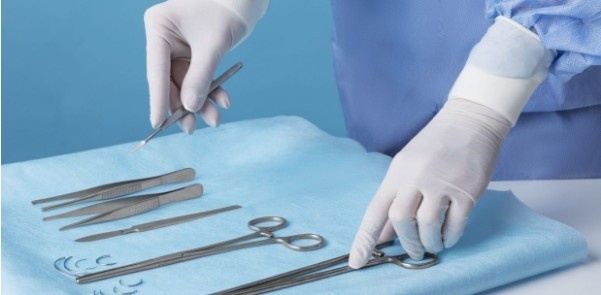
Selecting the correct closure material for a surgical wound is one of the most consequential decisions a veterinary clinician makes during any procedure. The suture must hold tissue together reliably during the healing period, respond appropriately within the biological environment of the patient, and avoid introducing complications that slow recovery or require further treatment. Choosing the right vet sutures involves evaluating a combination of material properties, patient factors, procedure-specific demands, and the quality of the surgical supplies being used. This guide provides a thorough framework for making those decisions confidently and consistently across the wide range of surgical scenarios that veterinary professionals encounter in daily practice.
Getting suture selection right is not a matter of memorising a single correct answer. It is a process of applying sound clinical reasoning to each unique patient, wound, and procedure. The principles covered here will help structure that reasoning in a way that becomes more instinctive with experience.
The Foundation of Suture Selection: Knowing What You Are Closing
The most important starting point in any suture selection decision is a clear understanding of the tissue being closed. Different tissues have different mechanical properties, different healing rates, different susceptibilities to infection, and different tolerances for foreign material. A suture that performs excellently in subcutaneous tissue may be entirely wrong for gastrointestinal or urological applications.
Skin is a tough, mobile tissue that is exposed to environmental contamination and requires a suture that can tolerate surface moisture and the mechanical forces generated by the animal's normal movement. Internal tissues such as the gastrointestinal wall, bladder, uterus, and subcutaneous layers are more delicate, less accessible after the procedure is complete, and require materials that are compatible with long-term residence within the body or that degrade predictably once their mechanical role is complete.
Connective tissues such as fascia and tendons are under high mechanical load and heal slowly, requiring sutures that can maintain tensile strength for extended periods. Vascular and cardiovascular tissues require permanent sutures in many applications because they must remain functional indefinitely and cannot tolerate material degradation.
Before selecting any suture, the clinician should be able to clearly identify the tissue being closed, the mechanical demands that will be placed on the closure, and the expected timeline for tissue healing. These three factors together define the performance requirements that the suture must meet.
Absorbable Sutures: When and Why They Are the Right Choice
For the majority of internal tissue closures in small animal surgery, absorbable sutures are the appropriate choice. These materials are designed to degrade within the body after a defined period, providing mechanical support during the healing phase and then disappearing from the tissue without requiring physical removal.
The biological case for absorbable sutures in internal applications is straightforward. Permanent foreign material left within body cavities, organ walls, or subcutaneous tissue can cause long-term complications including chronic inflammation, encapsulation, granuloma formation, and in urological applications, mineralisation around suture strands leading to stone formation. By selecting a material that degrades once its mechanical function has been served, these complications are avoided.
Modern synthetic absorbable sutures degrade through hydrolysis, a process driven by water molecules breaking down the polymer chain over time. This mechanism is considerably more predictable than the enzymatic digestion process through which natural gut sutures degrade, making synthetic materials the preferred choice in most contemporary clinical settings. The predictability of hydrolytic degradation means that surgeons can plan their closure knowing with reasonable confidence how long the suture will continue to provide meaningful mechanical support.
Common synthetic absorbable suture materials include polyglycolic acid, polyglactin 910, polydioxanone, and poliglecaprone 25. Each has a distinct profile of tensile strength retention and absorption timeline. Polyglycolic acid and polyglactin 910 are braided multifilament materials with high initial tensile strength and absorption timelines of approximately 60 to 90 days. Polydioxanone is a monofilament suture with extended tensile strength retention and full absorption occurring over approximately six months. Poliglecaprone 25 is a monofilament with relatively rapid absorption suited to subcutaneous and soft tissue closures in small animals.
Understanding how these timelines relate to the healing rate of specific tissues is essential for selecting the most appropriate absorbable material for each application. The article on how long absorbable sutures last in veterinary procedures provides detailed guidance on absorption characteristics across the most commonly used synthetic materials, which supports more informed clinical decision-making.
Non-Absorbable Materials: Permanent Support When It Is Needed
While absorbable sutures cover the majority of internal closure applications, non-absorbable sutures remain essential in specific scenarios where permanent tissue support is required or where the suture will be removed once healing is complete.
Skin closure with non-absorbable sutures is the most common application in routine small animal surgery. External sutures placed in the skin are visible and accessible, making planned removal at the appropriate point in the healing process straightforward. Non-absorbable monofilament materials such as nylon and polypropylene are smooth, strong, and minimally reactive, producing excellent cosmetic results with a low risk of suture track complications when removed at the correct time.
In orthopaedic surgery, non-absorbable sutures and wire are used to provide permanent mechanical support for repaired ligaments, tendons, and bony structures that cannot rely on a temporary suture for functional stability. Similarly, cardiovascular procedures often require permanent sutures because the repaired structures must maintain their mechanical integrity indefinitely under continuous haemodynamic loading.
The choice between absorbable and non-absorbable materials is therefore not a question of which category is superior. It is a question of which category is appropriate for the specific tissue and clinical circumstances. A thorough comparison of the clinical implications of each category is covered in the article on the advantages of absorbable and non-absorbable sutures, which explores the practical considerations behind each choice in detail.
Understanding the Monofilament Suture in Clinical Practice
One of the most important structural distinctions in suture selection is whether the material is a monofilament or a braided multifilament construction. This distinction affects how the suture handles, how it interacts with tissue during placement, and how it responds to the microbial environment of the surgical site.
A monofilament suture consists of a single continuous strand with a smooth uninterrupted surface. The smooth surface of a monofilament suture allows it to pass through tissue with minimal friction and tissue drag, reducing the mechanical trauma associated with suture placement. This characteristic is particularly valuable in delicate internal tissues where drag from a textured surface could cause unnecessary damage.
The smooth surface of a monofilament suture also offers significantly less opportunity for bacterial adherence and colonisation compared to a braided material. Bacteria tend to colonise the interstices between the filaments of braided sutures, and in a contaminated or infection-prone environment, this can contribute to persistent suture site infection. In contrast, the surface of a monofilament suture provides far fewer sites for bacterial attachment, making it the material of choice in contaminated wounds and in tissues where infection risk is a primary concern.
The trade-off with monofilament sutures is their handling behaviour. Single-strand sutures are stiffer and have a greater tendency to retain the curvature of the spool they were wound on, a property called memory. High memory makes a suture more difficult to handle and requires more throws per knot to achieve reliable security. Surgeons who are accustomed primarily to braided materials may find monofilament sutures less comfortable to work with initially, but familiarity develops quickly with practice.
The clinical decision between a monofilament suture and a braided alternative should be driven by the specific demands of the tissue and the wound environment rather than by handling preference alone. A comprehensive review of how these two configurations compare across a range of clinical applications is available in the guide on monofilament suture versus multifilament for clinical use.
The Significance of Suture Size
Suture sizing is expressed using the United States Pharmacopeia system, in which the diameter increases from a central zero point outward in both directions. Sizes above zero such as 1 and 2 represent progressively thicker materials used in high-tension applications. Sizes below zero such as 2-0, 3-0, 4-0, and finer represent progressively thinner materials used in delicate tissues.
The governing principle in suture size selection is to use the finest material that will adequately meet the mechanical demands of the closure. Every increase in suture diameter introduces more foreign material into the wound and generates a proportionally greater inflammatory response. Selecting a suture that is larger than necessary adds tissue reactivity without adding meaningful clinical benefit.
For routine soft tissue surgery in cats and small dogs, skin closure commonly uses sizes 3-0 or 4-0. Subcutaneous tissue closure typically falls in the range of 2-0 to 3-0. Gastrointestinal and urological closures in small patients usually require sizes 3-0 to 4-0 while larger dogs may require one size larger for the same tissue types. Ophthalmic procedures require extremely fine materials in the range of 6-0 to 8-0.
Building familiarity with the appropriate size ranges for the procedures most commonly performed in your practice reduces the decision burden during surgery and supports more consistent outcomes across cases of similar type and patient size.
Needle Selection and Its Impact on Closure Quality
The needle is an integral part of the suture and selecting the right needle geometry for each tissue type is as important as selecting the right suture material. A needle that is appropriate for tough external skin would cause unnecessary damage if used in delicate intestinal tissue. A needle designed for soft internal tissue may struggle to penetrate the skin reliably.
Cutting needles have a triangular cross-section with a sharpened cutting edge along the inner curve of the needle body. They are designed to penetrate tough tissue such as skin efficiently and cleanly and are the standard choice for external wound closure in veterinary patients. Reverse cutting needles place the cutting edge on the outer curve of the needle, which reduces the risk of the suture cutting through the tissue as it tightens.
Taper point needles have a smooth round cross-section that tapers to a sharp point without any cutting edges. Rather than cutting tissue, they separate tissue fibres as they pass through, causing less mechanical trauma. Taper point needles are used in soft internal tissues including intestinal wall, bladder, subcutaneous tissue, and other locations where a cutting edge would cause unnecessary damage.
Tapercut needles combine the penetrating efficiency of a cutting tip with the body profile of a taper needle and are used for tough connective tissues such as fascia and tendon that benefit from the initial cutting penetration but are better served by a taper body through the bulk of the tissue.
Matching needle geometry to tissue type is part of a complete suture selection decision and contributes directly to the quality of the closure and the degree of tissue trauma produced during placement.
How Suture Manufacturers Influence Clinical Outcomes
The manufacturing quality behind a suture determines whether it will actually perform to the specifications printed on its packaging. Two sutures with identical labels may behave very differently in clinical use if one is produced under rigorous quality management standards and the other is not. This reality means that the source of veterinary surgical supplies is as important as the selection of the material itself.
Reputable suture manufacturers operate under internationally recognised quality management frameworks including ISO 13485 certification and United States Pharmacopeia compliance. These frameworks require manufacturers to validate their raw material sourcing, control their manufacturing processes, test their finished products against defined specifications, validate their sterilisation processes, and maintain complete traceability for every batch produced.
The practical outcome of these requirements is a suture that has been verified to meet specifications for tensile breaking strength, knot pull strength, needle attachment force, dimensional accuracy, and sterility before it leaves the manufacturing facility. When a clinician places a suture from a manufacturer operating under these standards, they can trust that the material will behave as expected because its performance has been objectively tested and documented.
Sutures sourced from unverified suppliers or distributed without proper quality documentation do not carry this assurance. Variability in raw material quality, process control, or sterilisation validation can produce sutures that fail to meet their stated specifications, introducing risk into the surgical environment without the clinician's knowledge.
The article on how suture manufacturers maintain global medical standards provides a detailed examination of the quality systems and testing protocols that responsible manufacturers follow, which helps clinicians evaluate the credibility of the suppliers they work with.
Evaluating and Sourcing Veterinary Surgical Supplies
For a veterinary practice, the process of evaluating and selecting veterinary surgical supplies involves more than comparing unit prices. Quality, consistency, traceability, regulatory compliance, and supplier reliability all factor into a sourcing decision that will affect the quality of care provided to every patient treated with those materials.
When assessing potential suppliers of sutures and wound closure materials, practices should look for evidence of regulatory compliance in the markets where the products are sold. In the United States this means FDA clearance for the suture product line. In European markets it means CE marking under the relevant medical device directive or regulation. These clearances confirm that an independent regulatory body has reviewed the manufacturer's clinical and technical documentation and found it sufficient to support the safety and performance claims made for the product.
Requesting product specification sheets and certificates of analysis for specific suture materials allows the practice to verify that the product meets the physical property standards relevant to its intended use. Reputable suppliers will provide this documentation readily as it supports the professional relationship and demonstrates confidence in the quality of their products.
The logistics of supply are also relevant. A reliable supplier can deliver consistently without excessive lead times, maintains adequate stock of the sizes and materials required, and provides responsive customer service when questions or issues arise. Consistency of supply contributes directly to the consistency of surgical practice because it ensures the clinical team is always working with familiar, verified materials.
For practices managing procurement costs across a high volume of procedures, the guide to buying wholesale medical supplies offers practical guidance on balancing quality and cost in the sourcing of veterinary surgical supplies without compromising on the standards that protect patients.
Applying Suture Knowledge Across Common Veterinary Procedures
Translating the principles covered in this guide into specific suture choices for common veterinary procedures helps connect theory to daily clinical practice. While individual preferences and specific patient factors will always influence these decisions, the following framework reflects widely accepted approaches in small animal surgery.
For routine spay procedures in dogs and cats, the ovarian pedicles are typically ligated with a braided synthetic absorbable material in a size matched to the patient. The uterine body is closed with a similar braided absorbable suture using an inverting pattern. Subcutaneous tissue is closed with a braided or monofilament synthetic absorbable suture and skin closure can be achieved with either a non-absorbable monofilament in a simple interrupted pattern or a synthetic absorbable suture in a subcuticular pattern depending on the clinician's preference.
For gastrointestinal procedures including enterotomy and intestinal resection and anastomosis, a monofilament synthetic absorbable suture in an appropriate gauge for the patient size is the standard recommendation for the intestinal wall closure. The smooth surface reduces bacterial adherence within the lumen and the extended tensile strength of polydioxanone covers the anastomosis through its most vulnerable healing phase.
For orthopaedic procedures involving soft tissue repair such as cruciate ligament stabilisation, specific non-absorbable materials including braided polyester and nylon leader line are commonly used for extracapsular stabilisation techniques, while absorbable sutures handle the capsular and subcutaneous closure layers.
An overview of how different suture types are applied across the full range of veterinary surgical specialties is available in the article on the different types of veterinary surgical sutures, which provides procedure-specific guidance useful for clinicians at all stages of their surgical development.
Integrating Suture Selection into a Complete Closure Strategy
Suture selection does not occur in isolation. It is one component of a broader closure strategy that also includes the choice of closure pattern, the management of tissue tension, the decision about whether to combine sutures with alternative closure materials such as surgical adhesive or skin staples, and the planning of post-operative care.
For incisions that involve multiple tissue layers, the strategy must address each layer individually. The suture material for the deepest layer may be entirely different from the material used at the subcutaneous level, and both may differ from the skin closure material. Planning this sequence before beginning the procedure reduces decision-making pressure during the surgery and supports a more methodical and precise closure.
Understanding how alternative closure materials such as tissue adhesive and surgical staples complement sutures in specific applications broadens the closure toolkit available to the clinician. The guide on surgical wound closure techniques for better recovery examines the full range of closure options and the clinical contexts in which each performs best, providing a useful reference for developing more comprehensive closure strategies.
Conclusion
Choosing the right vet sutures for surgical procedures is a skill that develops through the disciplined application of sound principles to real clinical experience. Understanding tissue biology, material properties, size selection, needle geometry, and the quality standards behind the products being used provides a robust framework for suture selection decisions that will serve both the clinician and their patients well across a long surgical career.
The variables involved are not overwhelming when approached systematically. By building familiarity with a core set of materials, understanding what each offers and where each is most appropriate, and sourcing those materials from suppliers with verifiable quality credentials, veterinary professionals can make confident and consistent closure decisions in every procedure they perform.
At Strouden, we are committed to supporting veterinary practices with high-quality sutures and surgical closure materials from verified manufacturers. Browse our complete range of veterinary surgical supplies or contact us to discuss the right suture options for the procedures and patient population in your practice.
FAQs
Q: What is the key difference between absorbable sutures and non-absorbable sutures for vet procedures?
A: Absorbable sutures degrade within the body over a defined period through hydrolysis or enzymatic digestion, eliminating the need for removal. Non-absorbable sutures retain their strength indefinitely and are either removed after healing or left permanently for long-term tissue support.
Q: When is a monofilament suture preferred over a braided suture in veterinary surgery?
A: A monofilament suture is preferred in contaminated wounds or infection-prone tissue environments because its smooth surface resists bacterial adherence. It is also commonly chosen for gastrointestinal and urological closures where minimising surface texture within body lumens is clinically important for patient safety.
Q: How do suture manufacturers ensure their products meet veterinary surgical standards?
A: Reputable suture manufacturers operate under ISO 13485 quality management systems and test finished products for tensile strength, knot pull strength, dimensional accuracy, and sterility. Regulatory clearances such as FDA approval or CE marking confirm that independent bodies have reviewed and accepted the manufacturer's documentation and performance claims.
Q: What role do veterinary surgical supplies quality standards play in surgical outcomes?
A: High-quality veterinary surgical supplies from verified manufacturers deliver consistent and predictable performance because they are produced under controlled conditions and tested against defined specifications. Inconsistent or unverified products introduce variability that can compromise wound closure integrity and increase the risk of post-operative complications.
Q: How should a veterinary practice assess a new supplier of surgical sutures?
A: Practices should request regulatory compliance documentation, product specification sheets, and certificates of analysis from any new supplier. Assessing the supplier's responsiveness, stock reliability, and willingness to provide transparent quality documentation helps determine whether they meet the standards required for consistent professional clinical use.