Signs You Need a Mold Inspection in Your Property
Posted by Napollo Software
407 views
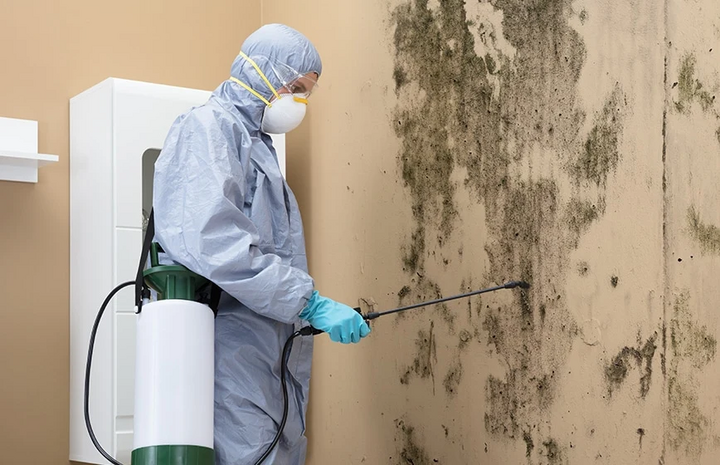
Mold rarely gives homeowners an obvious warning before it becomes a serious problem. It grows in concealed spaces, spreads through building materials, and affects indoor air quality long before it produces any visible surface signs. Knowing when your property is telling you that something is wrong beneath the surface is what separates a manageable situation from an expensive and disruptive remediation project. Scheduling a mold inspection at the right time is one of the most protective decisions a homeowner can make, and understanding the signs that indicate one is necessary is the first step in making that decision confidently.
This guide walks through every significant warning sign that points toward hidden mold activity in a property, explains why each one matters, and outlines what a thorough inspection and professional response actually looks like.
Why Mold Grows Without Warning
Mold is an organism that requires three things to grow: a moisture source, an organic food source, and a suitable temperature. Homes provide all three in abundance. Wood framing, drywall paper, insulation, ceiling tiles, carpet backing, and grout are all organic materials that mold feeds on. The temperature range in which mold thrives overlaps entirely with the range at which humans live comfortably. The only variable that homeowners can influence is moisture, and moisture enters homes in more ways than most people realize.
This is why mold so frequently develops out of sight. It finds moisture in concealed locations, behind walls near slow-leaking plumbing, beneath flooring where condensation accumulates, inside attic spaces where exhaust venting is misdirected, and in basement wall cavities where groundwater migrates through porous concrete. None of these locations are visible during daily life. A homeowner can have a significant mold problem growing actively in their walls for months without seeing any direct evidence of it on the surfaces they interact with every day.
Understanding this helps explain why the signs that indicate a need for mold inspection services are not always the obvious ones. They include environmental changes, physical changes to building materials, and health patterns that develop slowly and are easy to attribute to other causes.
Sign 1: A Musty Smell That Does Not Go Away
A persistent musty odor is the most reliable early warning sign of hidden mold growth. Mold produces microbial volatile organic compounds as a byproduct of its metabolic activity and these compounds create the characteristic earthy damp smell associated with mold-affected spaces. This odor becomes detectable before any visible surface growth appears and it persists regardless of how much cleaning or air freshening is applied to the space.
If a musty smell is present in a specific room or area of your home and returns consistently after ventilation, it is almost certain that mold is growing somewhere in that space. The odor is often strongest near the source of the growth. Checking behind furniture that sits against exterior walls, inside closets along exterior-facing walls, in bathrooms with poor exhaust ventilation, and in basement and crawl space areas helps narrow down the location.
When the smell becomes stronger or more widespread when the HVAC system is running, this points toward mold growing inside or near the ductwork. Each cycle of the air handling system draws air across the mold colony and distributes the volatile compounds throughout every room connected to the system. Our guide on how to get rid of mold in AC ducts and reduce allergies explains how mold enters ductwork and why it requires professional attention to resolve safely.
Sign 2: Visible Water Stains or Discoloration on Surfaces
Water stains on walls and ceilings are physical evidence that moisture has entered and saturated building materials at that location. Even stains that appear old and completely dry deserve attention because they mark a location where moisture was present and where mold spores may have established a colony that continues to grow within the material even after the surface appears dry.
Fresh or expanding stains are more urgent. These indicate an active moisture source that is still introducing water into the structure and creating ongoing growing conditions for mold. The location of the stain provides a clue about the source. Ceiling stains directly below a bathroom suggest a plumbing leak. Stains along the top of a wall suggest roof or flashing issues. Stains at the base of walls in a basement or lower level suggest groundwater seepage or drainage problems.
Discoloration that takes on greenish, dark brown, grayish, or black tones and appears in irregular patches with a slightly fuzzy or powdery texture is likely visible mold growth rather than a simple water stain. If this kind of discoloration is present in your home, professional mold inspection services are the appropriate response rather than attempting to clean the surface and monitor whether it returns.
Sign 3: Your Home Has Experienced Recent Water Damage
Any water intrusion event creates mold risk if the affected materials are not dried thoroughly and promptly. Whether the source was a burst pipe, a roof leak during a storm, flooding from a sump pump failure, an overflowing appliance, or any other form of water damage, the moisture that soaks into building materials creates ideal mold growing conditions that persist long after the visible water has been removed.
The challenge with water damage is that the moisture that matters most for mold growth is the moisture trapped inside building materials rather than the moisture visible on surfaces. Drywall can appear completely dry to the touch on the surface while retaining significant moisture within its gypsum core and paper facing. Flooring materials absorb and hold moisture below the surface layer. Wall cavities trap water that takes far longer to dry than open surfaces, particularly when air circulation within the cavity is limited.
If your home has experienced any form of water damage in the past six months and the drying process was not verified using professional moisture measurement equipment, a mold inspection is a prudent step regardless of whether any visible growth or odor has appeared yet. Our guide on how to fix water damage quickly outlines the critical steps for addressing water intrusion thoroughly before mold takes hold. Pairing proper water damage response with mold and water damage repair assessment provides the most comprehensive protection.
Sign 4: Household Members Are Experiencing Unexplained Health Symptoms
Mold exposure produces a recognizable cluster of health symptoms that are easy to mistake for seasonal allergies, recurring colds, or general fatigue. When these symptoms persist over weeks and months without a clear explanation and consistently improve when the affected person spends time away from the property, mold in the home should be strongly considered as the cause.
The most commonly reported symptoms associated with indoor mold exposure include persistent respiratory irritation such as coughing and wheezing that does not follow seasonal patterns. Nasal and sinus congestion that returns repeatedly and does not respond fully to standard allergy medication is another common indicator. Eye irritation, skin rashes, recurring headaches, and unexplained fatigue are all documented effects of ongoing mold spore inhalation.
Children, elderly individuals, and anyone with asthma, allergies, or a compromised immune system are more sensitive to mold exposure and may develop symptoms at lower concentrations than healthy adults. If any member of your household falls into these categories and is experiencing health symptoms that do not have another clear explanation, mold should be evaluated as a potential environmental cause promptly rather than after an extended period of monitoring.
For a detailed understanding of how mold affects the body our article on understanding the dangers of mold and how it affects your health covers the full range of documented health effects associated with different levels and durations of mold exposure.
Sign 5: Mold Keeps Returning to the Same Location
If you have cleaned visible mold from a surface in your home and it has returned to the same spot within a few weeks, the treatment you applied addressed only the surface layer of a more established problem. Mold that returns repeatedly after surface cleaning has two possible explanations.
The first is that the moisture source causing the growth has not been identified and resolved. As long as the conditions that support mold growth remain in place, surface cleaning produces only a temporary result. The colony regrows from spores and any remaining mycelium in the material as soon as cleaning is complete.
The second explanation is that the mold has penetrated into porous building materials beneath the surface and what appears to be a surface problem is actually the visible tip of a deeper infestation. Cleaning removes the outward-facing growth without reaching the colony established within the material, which continues to grow and push new growth back to the surface within a short period.
Either situation calls for professional assessment. Mold inspection services identify whether an unresolved moisture source is responsible and determine whether the growth has penetrated into structural materials to a depth that requires remediation rather than surface treatment. Our guide on when mold remediation is required provides a clear framework for understanding when a situation has moved beyond what surface cleaning can resolve.
Sign 6: Physical Changes to Walls, Floors, or Ceilings
Building materials that have been exposed to sustained moisture undergo physical changes that are visible and measurable even before mold becomes apparent on the surface. These physical changes are evidence of the same moisture conditions that support mold growth and should be treated as structural indicators of a problem that requires investigation.
Paint bubbling or peeling away from a wall surface indicates that moisture has become trapped beneath the paint layer. This occurs when the building material behind the paint has absorbed enough moisture that the pressure of accumulated dampness forces the paint film to separate from the surface. This process often precedes visible mold growth on the same surface by days or weeks.
Soft or spongy areas on drywall surfaces indicate that the gypsum core has absorbed enough moisture to begin losing its structural integrity. Pressing gently against the wall surface and feeling any deformation or give where the wall should be firm points to water-damaged drywall that is highly likely to support mold growth within it.
Warping or buckling of wood flooring, particularly in lower levels or areas adjacent to plumbing, indicates sustained moisture exposure that has altered the dimensional stability of the wood. Similar changes in wood trim, baseboards, or door frames indicate persistent moisture in the surrounding building materials.
Ceiling tiles that are sagging or showing dark discoloration have absorbed water from above and may be supporting mold growth on their upper surfaces where it is not visible from below. Any of these physical changes to building materials warrants a moisture and mold assessment before the affected materials are simply replaced without addressing the underlying cause.
Sign 7: You Are Purchasing or Selling a Property
A professional mold inspection should be part of every real estate transaction regardless of the age or apparent condition of the property. For buyers, a dedicated mold inspection provides information about the property's condition that a standard home inspection does not include. Real estate inspectors assess visible and accessible components of a home's structure and systems but do not use the specialized equipment and protocols that mold inspection requires to detect hidden growth.
Purchasing a property without a mold assessment means accepting unknown risk. Mold remediation costs vary depending on scope and location but can reach tens of thousands of dollars for extensive infestations that have penetrated structural materials. Discovering this cost after purchase puts the full financial burden on the buyer.
For sellers, commissioning a mold inspection before listing provides documentation that addresses a concern that sophisticated buyers will raise anyway. It removes uncertainty from the transaction and prevents the situation where a buyer's inspection discovers mold that then becomes a renegotiation point or a deal-ending issue.
Properties that have experienced flooding, that are located in humid climates, that have older plumbing systems, or that have had any history of water damage are particularly important candidates for pre-purchase mold inspection services. Our article on the top five signs you need a professional mold inspection provides additional context for understanding what a thorough inspection involves and what it reveals.
Sign 8: Your Home Has a Basement or Crawl Space
Basements and crawl spaces are the most consistently mold-vulnerable areas in residential properties. Both environments tend to have higher relative humidity than above-grade living spaces, limited natural ventilation, and direct contact with ground moisture that creates persistently damp conditions. Mold growing in a crawl space is particularly significant because air moves upward through a home naturally, carrying spores from the crawl space into the living areas above.
Homeowners who have finished their basements with drywall and flooring over concrete may have sealed existing moisture problems inside the wall cavities without realizing it. Finishing over a moisture-affected basement surface provides perfect growing conditions: warm organic material, limited airflow, and a persistent moisture source all enclosed together in an inaccessible space.
If your home has a basement or crawl space and has not had a professional mold assessment in the past two years, scheduling one is a sound precautionary step rather than a reactive one. Our article on why basement mold removal services are essential explains why these environments are so consistently problematic and what professional assessment and remediation in these spaces involves.
What Professional Mold Inspection Services Include
Professional mold inspection services go well beyond a visual walkthrough of the property. A certified inspector uses multiple tools and methods to build an accurate picture of the moisture and mold condition of the entire property including concealed areas that cannot be assessed visually.
Moisture meters measure the water content of building materials at and below the surface. Readings significantly above ambient levels in specific sections of walls, floors, or ceilings indicate moisture accumulation that creates mold growing conditions within those materials regardless of how the surface appears visually.
Thermal imaging cameras detect temperature differences across surfaces caused by moisture trapped within building materials. Wet areas within a wall cavity hold temperature differently than surrounding dry material and this difference appears clearly in thermal imaging, allowing an inspector to identify problem areas without cutting into the wall.
Air sampling collects samples from inside the property and from outdoor air as a baseline for comparison. Laboratory analysis quantifies the types and concentrations of mold spores in the indoor air. Significantly elevated indoor concentrations compared to outdoor baseline levels confirm that mold is actively growing somewhere in the property even when no visible source has been found.
Surface sampling from areas showing visible growth or discoloration provides laboratory identification of the specific mold species present. This information is particularly relevant when toxic species are suspected and informs the scope and approach of the remediation protocol. Our guide on how to test for toxic black mold explains when species identification through laboratory analysis is necessary and what the results mean for the remediation process.
What Comes Next: Mold Remediation and Trusted Mold Removal Services
When a mold inspection identifies active growth or elevated spore concentrations the next step is professional remediation. Trusted mold removal services follow a structured protocol that contains the affected area, eliminates the mold thoroughly, and verifies the outcome through post-remediation testing before the space is cleared for normal use.
Professional mold remediation involves establishing physical containment of the affected area using polyethylene barriers and negative air pressure to prevent spores from spreading during removal. HEPA vacuuming of all surfaces within the contained area captures spores before and after material removal. Contaminated building materials including drywall panels, insulation, and any other porous materials that have been colonized are removed physically rather than cleaned, because mold penetrates these materials to a depth that surface cleaning cannot reach.
Commercial grade antimicrobial treatments are applied to framing and remaining surfaces following material removal. Air scrubbing using industrial HEPA filtration cleans the air within the containment zone throughout the process. Post-remediation mold testing confirms that spore levels have returned to acceptable concentrations before containment is removed and reconstruction begins.
For those who want a detailed understanding of what this entire process involves our guide on the complete guide to mold remediation covers every stage from initial assessment through post-remediation verification. After remediation is complete our guide on what to do after mold remediation to keep your home mold free provides practical guidance on the environmental controls and maintenance habits that prevent recurrence. Addressing mold and water damage repair together as part of a complete response ensures that neither the mold nor the moisture conditions that created it remain to restart the problem.
Conclusion
Mold does not announce itself clearly or early. It develops in concealed spaces, produces symptoms that mimic other common conditions, and causes structural damage before most homeowners realize anything is wrong. Recognizing the warning signs that indicate a need for a mold inspection, a persistent musty odor, visible water stains, recurring mold after cleaning, unexplained health symptoms, physical changes to building materials, a history of water damage, and high-risk areas like basements and crawl spaces, gives you the ability to act before the problem reaches the stage where it requires extensive and costly remediation.
Trusted mold removal services begin with a thorough inspection that establishes an accurate picture of what you are dealing with. From that starting point, professional mold remediation addresses the growth completely and the post-remediation verification confirms that the work was successful.
The Mold Guys bring over 25 years of experience to homeowners across Southwest and Central Florida, providing expert mold inspection services, thorough remediation, and practical prevention guidance designed to protect properties and the people who live in them for the long term. Contact The Mold Guys today to schedule your inspection and get the information you need to protect your home with confidence.
FAQs
Q: How do I know if I need a mold inspection or just a basic cleaning of visible mold?
A: If mold is confined to a small area on a hard nonporous surface with no musty odor or recurring growth, careful cleaning may be sufficient. Any larger area, porous material, hidden growth, or recurring mold warrants professional mold inspection services before treatment begins.
Q: What is the connection between mold and water damage repair in a property?
A: Mold and water damage repair address different aspects of the same problem. Water damage creates the moisture conditions that allow mold to grow. Addressing only the water damage without checking for mold, or only treating mold without completing water damage repair, leaves part of the problem unresolved.
Q: How long does a professional mold inspection take for an average sized home?
A: A standard mold inspection for a typical residential property takes between one and three hours. Larger homes or properties with multiple areas of concern, finished basements, crawl spaces, or extensive HVAC systems may require additional time to assess thoroughly.
Q: Can mold remediation be completed without a prior professional mold inspection?
A: Attempting mold remediation without a prior inspection risks incomplete treatment. Without knowing the full extent and location of the growth, remediation may address only the visible portion while leaving established colonies in concealed areas that restart the problem within weeks.
Q: How often should mold inspection services be scheduled as a preventive measure?
A: For most homes in humid climates or properties with a history of water intrusion, scheduling mold inspection services every one to two years is advisable. Properties with active moisture issues, recent flooding, or previous mold problems benefit from more frequent professional assessments.